What is NFT and How Does it Work?
Imagine you’ve just stumbled upon a digital masterpiece – a unique piece of art, a rare in-game item, or even a virtual plot of land. You want to own it, truly own it, in a way that’s verifiable and secure. This is where the concept of a Non-Fungible Token, or NFT, comes into play, offering a revolutionary way to establish ownership of digital assets. So, what is an NFT and how does it work? At its core, an NFT is a unique digital certificate of ownership recorded on a blockchain, proving that you are the rightful owner of a specific digital item.
Table of Contents
Featured Snippet Answer
An NFT, or Non-Fungible Token, is a unique digital asset that represents ownership of a specific item, like digital art or collectibles, recorded on a blockchain. Unlike cryptocurrencies, each NFT is distinct and cannot be interchanged, ensuring its uniqueness and verifiable ownership. NFTs work by using smart contracts to record ownership and transaction history.
What Exactly is an NFT?
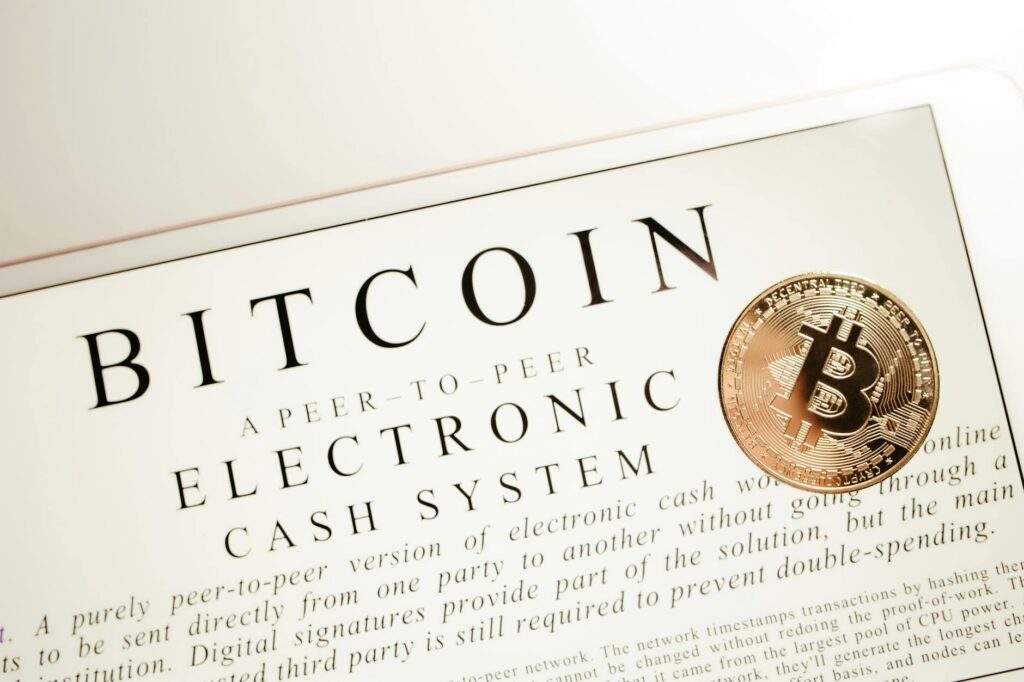
The term ‘non-fungible’ is key here. Fungible items are interchangeable; for instance, a dollar bill is fungible because you can swap it for any other dollar bill and have the same value. Bitcoin, a cryptocurrency, is also fungible – one Bitcoin is the same as another. Non-fungible items, on the other hand, are unique and cannot be replaced with something else. Think of the Mona Lisa painting – there’s only one original. An NFT acts as a digital equivalent of this uniqueness for digital items.
When you purchase an NFT, you’re not necessarily buying the copyright or the entire intellectual property of the underlying digital asset, unless explicitly stated. Instead, you’re buying a verifiable token that proves your ownership of that specific digital instance or copy. This distinction is crucial for understanding NFT value and rights.
How Do NFTs Work on the Blockchain?
NFTs operate on blockchain technology, the same distributed ledger system that powers cryptocurrencies like Bitcoin and Ethereum. The most common blockchain for NFTs is Ethereum, due to its robust smart contract capabilities. When an NFT is ‘minted’ (created), its unique details are recorded as a token on the blockchain through a smart contract.
This smart contract contains essential information about the NFT, such as its unique identifier, a link to the digital asset it represents (often stored elsewhere due to file size limitations), and metadata. Every transaction involving the NFT – creation, sale, or transfer – is recorded immutably on the blockchain. This public, decentralized ledger makes it virtually impossible to counterfeit or tamper with ownership records, providing a high degree of security and transparency.
What are the Key Components of an NFT?
Understanding the components of an NFT helps clarify how it functions. Each NFT has several critical parts:
- Unique Identifier: This is a string of code that distinguishes one NFT from all others on the blockchain.
- Metadata: This includes descriptive information about the NFT, such as its name, description, traits, and a link to the actual digital file (image, video, audio). This metadata is what gives context to the unique identifier.
- Smart Contract: This is a piece of code on the blockchain that governs the creation, ownership, and transfer of the NFT. It ensures that transactions are executed automatically and transparently according to pre-defined rules.
- Blockchain Record: The token itself, along with its transaction history, is permanently recorded on the chosen blockchain, providing an immutable audit trail.
The actual digital file (like a JPEG or MP4) is often not stored directly on the blockchain due to size and cost. Instead, a link to where the file is hosted (like IPFS – InterPlanetary File System, or a centralized server) is embedded in the NFT’s metadata. This is a common point of confusion, as the link could theoretically break or the file could be altered if not stored on a decentralized system.
Real-World Use Cases for NFTs
While digital art has captured the public imagination, the applications for NFTs extend far beyond.
| Category | Description | Example Entities |
|---|---|---|
| Digital Art | Unique digital creations, from paintings to animations, authenticated by NFTs. | Beeple’s “Everydays: The First 5000 Days”, CryptoPunks |
| Collectibles | Digital trading cards, virtual pets, or unique in-game items. | NBA Top Shot, Axie Infinity |
| Music | Limited edition music tracks, albums, or even royalty rights represented by tokens. | Grimes, Kings of Leon |
| Virtual Real Estate | Parcels of land in metaverse platforms like Decentraland or The Sandbox. | Decentraland LAND, The Sandbox LAND |
| Ticketing | Event tickets that can prevent fraud and offer unique perks to holders. | Ticketmaster (exploring NFT ticketing) |
| Gaming | In-game assets like weapons, skins, or characters that players truly own and can trade. | Gods Unchained, Star Atlas |
The tokenization of assets through NFTs allows for new forms of digital ownership, trading, and interaction. For example, a musician could sell an NFT that includes a percentage of future streaming royalties, directly linking their fans to their success. Similarly, gaming companies can create economies where players genuinely own their in-game assets and can trade them across different platforms or games, a concept that was largely impossible before NFTs.
“The global NFT market size was valued at USD 22.7 billion in 2021 and is projected to grow significantly in the coming years, reflecting its increasing adoption across various industries.” (Source: Grand View Research, 2022 report on NFT market size) – Note: This data reflects past projections; current market dynamics continue to evolve.
How to Buy and Sell NFTs
Acquiring an NFT typically involves a few steps. First, you’ll need a cryptocurrency wallet that supports the blockchain the NFT is on (most commonly Ethereum). Popular wallets include MetaMask, Coinbase Wallet, and Trust Wallet. You’ll also need to fund your wallet with the native cryptocurrency of that blockchain (e.g., Ether for Ethereum).
Next, you’ll connect your wallet to an NFT marketplace. OpenSea, Rarible, and Foundation are some of the largest marketplaces. On these platforms, you can browse NFTs, view their details, and make purchases. NFTs can be bought through auctions or directly at a set price. Selling an NFT involves listing it on a marketplace, setting a price or auction terms, and waiting for a buyer.
When you buy an NFT, you pay the listing price plus transaction fees, known as ‘gas fees’, which are paid to the network validators for processing the transaction on the blockchain. When selling, you might also incur platform fees and gas fees depending on the blockchain and marketplace.
Risks and Considerations with NFTs
While the technology is innovative, it’s important to approach NFTs with caution. The market can be highly volatile, and the value of an NFT can fluctuate dramatically. Furthermore, the space is still relatively new, and scams, such as fake marketplaces or phishing attempts, are present. It’s crucial to do your own research (DYOR) before investing in any NFT.
Another significant consideration is environmental impact. Blockchains that use a Proof-of-Work consensus mechanism, like Ethereum historically did, consume a substantial amount of energy. While many newer blockchains and Ethereum’s recent upgrade to Proof-of-Stake aim to mitigate this, it remains a topic of discussion. Always check the blockchain a project is built on and its energy consumption profile.
Finally, understand that the underlying digital asset’s accessibility and permanence are not guaranteed by the NFT itself if not stored properly. Always verify the source and storage method of the linked asset.
Frequently Asked Questions
What is the primary function of an NFT?
The primary function of an NFT is to serve as a unique, verifiable digital certificate of ownership for a specific digital or physical asset, recorded immutably on a blockchain.
Are NFTs secure?
NFTs are secured by the underlying blockchain technology, which makes ownership records tamper-proof and transparent. However, the security of your digital wallet and vigilance against phishing scams are paramount for protecting your assets.
Can anyone create an NFT?
Yes, generally anyone with a cryptocurrency wallet and some basic technical understanding can mint an NFT on various blockchain platforms and marketplaces.
What happens if the website hosting an NFT goes down?
If the digital asset linked to an NFT is stored on a centralized server and that server goes offline, the NFT might point to nothing. NFTs stored on decentralized systems like IPFS are more resilient to such issues.
How is the value of an NFT determined?
The value of an NFT is determined by market demand, scarcity, the artist’s or creator’s reputation, the perceived utility of the NFT, and its historical transaction data.
Conclusion: Embracing the Future of Digital Ownership
Understanding what an NFT is and how it works opens a window into the evolving landscape of digital ownership. By leveraging blockchain technology, NFTs provide a secure and transparent method for authenticating and trading unique digital assets, from art and music to in-game items and beyond. While challenges and risks exist, the innovation and potential applications of NFTs are undeniable. As the technology matures and its use cases expand, NFTs are poised to redefine how we interact with and own digital content in the years to come.