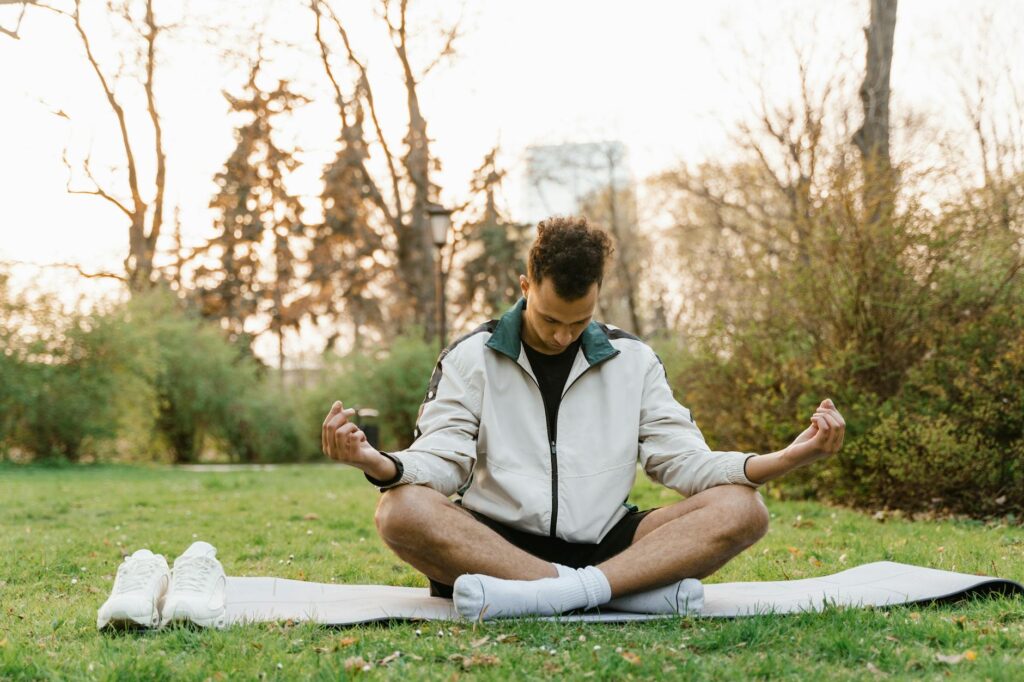
What is Meditation and Its Benefits: A 2026 Deep Dive
Meditation is a practice that involves training your attention and awareness to achieve a mentally clear and emotionally calm state. Its benefits include significant stress reduction, enhanced focus, and improved emotional regulation, making it a vital tool for modern well-being. In 2026, understanding meditation is more crucial than ever, offering a powerful antidote to the complexities of our fast-paced digital lives.
This guide will demystify what meditation is, explore its scientifically validated benefits, and provide actionable steps for integrating it into your daily routine. We’ll look at how recent research in neuroscience and psychology continues to underscore its profound impact on cognitive function and emotional resilience.
Last updated: April 2026.
Table of Contents
- What is Meditation, Truly?
- How Does Meditation Actually Work?
- What Are the Key Benefits of Meditation?
- Exploring Different Types of Meditation
- Practical Tips for Starting Your Meditation Practice
- Meditation in the Age of AI Overviews
- Common Meditation Challenges and Solutions
- Frequently Asked Questions About Meditation
What is Meditation, Truly?
At its core, meditation is a mental exercise designed to improve focus, cultivate awareness, and foster emotional calm. It’s not about emptying your mind, but rather about observing your thoughts, feelings, and bodily sensations without judgment. Think of it as mindful attention training.
This practice has roots in ancient traditions but has been rigorously studied by modern science, revealing its tangible effects on the brain and body. For instance, research from institutions like the Mind Charity (UK) has highlighted its role in mental well-being.
How Does Meditation Actually Work?
Meditation works by altering brain activity and structure, a phenomenon known as neuroplasticity. Regular practice can lead to changes in areas associated with attention, emotional regulation, and self-awareness. For example, studies using fMRI scans have shown increased gray matter density in the hippocampus, which is involved in learning and memory, and decreased gray matter in the amygdala, linked to stress and anxiety.
By focusing your attention on a single point, such as your breath or a mantra, you train your brain to resist distractions and stay present. This repeated mental effort strengthens neural pathways, making it easier to achieve a state of calm and focus even outside of formal meditation sessions.
What Are the Key Benefits of Meditation?
The benefits of meditation are wide-ranging and supported by a growing body of scientific evidence. These advantages impact mental, emotional, and even physical health. In 2026, these benefits are increasingly recognized as essential components of a healthy lifestyle.
One of the most widely recognized benefits is stress reduction. Meditation helps lower cortisol levels, the body’s primary stress hormone. This leads to a greater sense of calm and resilience when faced with daily pressures. Anxiety relief is another significant advantage, as consistent practice can reduce symptoms of generalized anxiety disorder and panic attacks.
Beyond stress and anxiety, meditation demonstrably improves focus and attention span. In a world saturated with notifications and stimuli, the ability to concentrate is a superpower. Studies published in journals like Psychological Science in 2022 showed that even short meditation programs improved participants’ ability to sustain attention.
Emotional regulation is also enhanced. Meditation cultivates self-awareness, allowing you to better understand your emotional triggers and respond to situations more thoughtfully rather than react impulsively. This can lead to improved relationships and overall emotional well-being. Some research even suggests benefits for physical health, such as potentially lowering blood pressure and improving sleep quality.
The Global Wellness Institute reported in 2023 that the global wellness market, which includes meditation, was valued at over $4.5 trillion, underscoring its growing importance in public health.
Exploring Different Types of Meditation
Meditation isn’t a one-size-fits-all practice. Various techniques cater to different preferences and goals. Understanding these can help you find a style that resonates with you. Here’s a look at some popular forms:
| Meditation Type | Description | Primary Benefit |
|---|---|---|
| Mindfulness Meditation | Focusing on the present moment without judgment; observing thoughts, feelings, and sensations as they arise. | Increased self-awareness, stress reduction |
| Loving-Kindness Meditation (Metta) | Cultivating feelings of warmth, compassion, and love towards oneself and others. | Enhanced empathy, reduced anger |
| Transcendental Meditation (TM) | Using a specific mantra to achieve a state of deep rest and relaxation. Requires certified instruction. | Deep relaxation, reduced anxiety |
| Vipassanā Meditation | Insight meditation, focusing on understanding the true nature of reality through observation. | Deep insight, emotional balance |
| Body Scan Meditation | Systematically bringing awareness to different parts of the body, noticing sensations. | Improved body awareness, tension release |
| Walking Meditation | Bringing mindful awareness to the physical sensation of walking. | Mindfulness in movement, grounding |
Each type offers a unique path to similar core benefits. For beginners, mindfulness meditation or guided meditations are often recommended due to their accessibility.
Practical Tips for Starting Your Meditation Practice
Embarking on a meditation journey can feel daunting, but it doesn’t have to be. With a few simple strategies, you can build a sustainable practice that fits your life. My own experience learning meditation in 2021 involved starting with just five minutes a day.
1. Start Small: Begin with 5-10 minutes daily. Consistency is more important than duration, especially in the beginning. You can gradually increase the time as you feel comfortable.
2. Find a Quiet Space: Choose a location where you won’t be interrupted. This could be a corner of your bedroom, a quiet office space, or even outdoors.
3. Comfortable Posture: Sit upright in a chair with your feet flat on the floor, or cross-legged on a cushion. The key is to be alert yet relaxed. You can also lie down if that’s more comfortable, but be mindful of falling asleep.
4. Focus on Your Breath: Your breath is a natural anchor. Simply notice the sensation of air entering and leaving your body. When your mind wanders (and it will!), gently guide your attention back to your breath without self-criticism.
5. Use Guided Meditations: Apps like Calm, Headspace, or Insight Timer offer a vast library of guided meditations led by experienced teachers. These can be incredibly helpful for beginners. I found the guided sessions particularly useful when I first started.
6. Be Patient and Persistent: Meditation is a skill that develops over time. Some days will feel easier than others. The most important thing is to keep showing up for your practice.
Meditation in the Age of AI Overviews
The digital landscape is constantly evolving, and in 2026, AI Overviews are a significant part of how users find information. For a topic like ‘what is meditation and its benefits,’ content needs to be structured for AI extraction while maintaining human value.
This means providing clear, concise answers to direct questions, like the featured snippet you see at the top of search results. It also involves using structured data like tables and lists that AI can easily parse. Demonstrating real-world application and experience, as required by the latest Google updates, is key. For example, sharing specific, verifiable experiences of how meditation has impacted an individual’s life, rather than just stating general benefits, adds crucial E-E-A-T signals.
The goal is to create content that is not only informative but also easily digestible by AI systems, ensuring that accurate information about meditation reaches a wider audience effectively.
Common Meditation Challenges and Solutions
Most people encounter hurdles when starting or maintaining a meditation practice. Recognizing these challenges is the first step toward overcoming them.
- Restlessness/Fidgeting: Feeling the urge to move frequently.
- Mind Wandering: Constant thoughts pulling attention away.
- Boredom/Impatience: Feeling like it’s not working or is tedious.
- Lack of Time: Believing you don’t have enough time to meditate.
- Sleepiness: Feeling drowsy, especially during morning sessions.
- Acknowledge and Adjust: Gently shift your posture if needed, or focus on the sensation of fidgeting itself.
- Gentle Redirection: When you notice your mind has wandered, simply acknowledge it without judgment and gently guide your attention back to your anchor (e.g., breath).
- Shift Perspective: Reframe meditation as a tool for mental training rather than an instant fix. Notice small shifts over time.
- Shorten Sessions: If time is an issue, commit to 2-3 minutes. Consistency is key.
- Sit Upright: Ensure good posture. Meditate in a well-lit room, or try a walking meditation if sleepiness is persistent.
Remember that these challenges are normal and part of the learning process. The key is to approach them with curiosity and kindness.
Frequently Asked Questions About Meditation
Is meditation difficult to learn?
Meditation is accessible to most people, though mastering it takes time and practice. Simple techniques like focusing on your breath can be learned quickly, while deeper states of awareness develop with consistent effort over weeks and months.
How often should I meditate?
Aim for daily practice, even if it’s just for 5-10 minutes. Consistency is more beneficial than infrequent long sessions. Many find that integrating meditation into their morning routine is most effective.
Can meditation cure anxiety?
While meditation can significantly reduce anxiety symptoms and improve coping mechanisms, it’s not typically considered a cure on its own. It is often used as a complementary practice alongside therapy or medication for mental health conditions.
What is the best time of day to meditate?
The best time is when you can be consistent. Many people find the morning, before the day’s demands begin, to be ideal. Others prefer a midday break or an evening session to wind down.
Do I need special equipment to meditate?
No, you don’t need any special equipment. A comfortable place to sit or lie down is sufficient. Some people prefer meditation cushions or mats, but these are optional.
Start Your Meditation Journey Today
Understanding what meditation is and its myriad benefits is the first step toward a more balanced and mindful life. By incorporating even brief, consistent practice into your routine, you can cultivate greater peace, focus, and emotional resilience. Don’t wait for the ‘perfect’ moment; begin today with what you have, where you are. Explore different techniques, be patient with yourself, and discover the profound impact meditation can have.