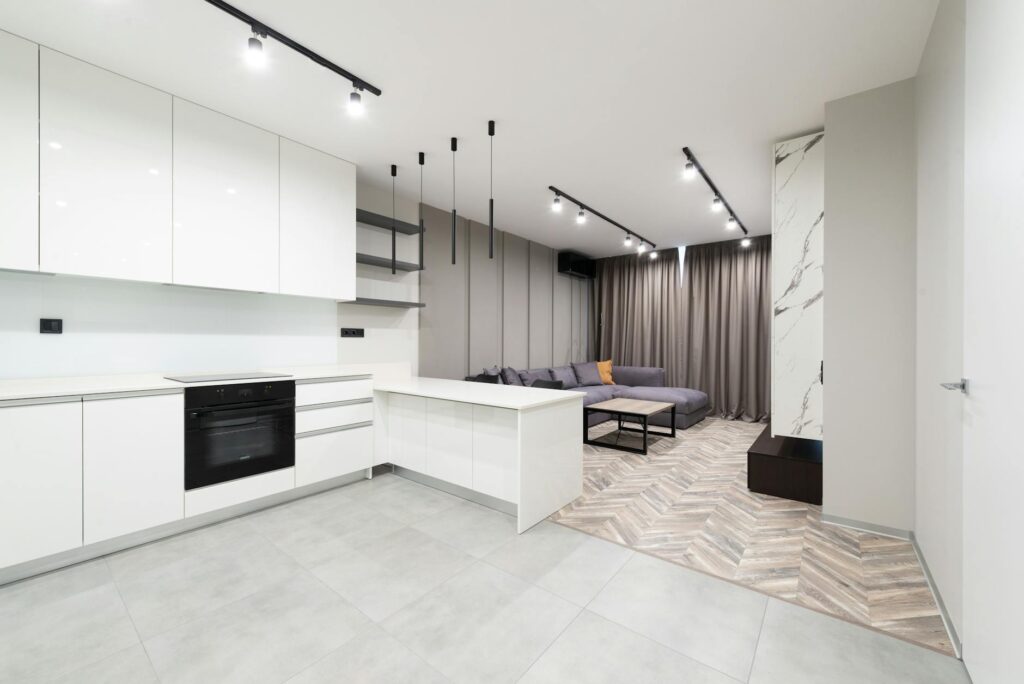
Modular and Hybrid Lighting: Your Smart Home Upgrade
I still remember the frustration of fixed lighting. You want a cozy reading nook, but the overhead light is too harsh. Or you need bright task lighting for cooking, but the main fixture is dim. This is where modular and hybrid lighting solutions come in, offering incredible flexibility and control. They’re not just about convenience; they’re about creating the perfect atmosphere for any moment, enhancing both function and mood in your living space. (Source: cnet.com)
Contents:
- What Exactly Are Modular and Hybrid Lighting Solutions?
- Why Choose Modular and Hybrid Lighting? The Undeniable Benefits
- Exploring the Types of Modular and Hybrid Lighting Systems
- Integrating Modular and Hybrid Lighting: Practical Tips for Success
- Common Mistakes to Avoid When Setting Up Your Lighting
- The Future of Home Illumination: What’s Next?
- Frequently Asked Questions About Modular and Hybrid Lighting
What Exactly Are Modular and Hybrid Lighting Solutions?
Think of modular lighting as building blocks for light. These systems consist of individual components—like smart bulbs, light strips, track lights, or even portable fixtures—that you can connect, combine, and arrange to create your desired lighting scheme. They’re designed for easy assembly and reconfiguration.
Hybrid lighting, on the other hand, combines different types of lighting technologies or control methods within a single system. This could mean mixing smart LED bulbs with traditional fixtures controlled by a smart switch, or integrating natural light sensors with artificial light sources. The goal is to create a more sophisticated and responsive lighting environment.
The primary advantage is customization. You’re not limited by a single, fixed fixture. Instead, you can tailor the brightness, color temperature, and even color of your lights to suit your activity or mood. It’s about creating dynamic, responsive environments that adapt to your life.
Why Choose Modular and Hybrid Lighting? The Undeniable Benefits
The appeal of these systems lies in their adaptability and efficiency. You can easily expand or change your lighting setup as your needs evolve, without major renovations. This makes them perfect for renters or anyone who enjoys redecorating frequently.
Energy efficiency is another huge plus. Most modular and hybrid systems utilize LED technology, which consumes significantly less power than incandescent bulbs. When combined with smart controls that allow dimming and scheduling, the energy savings can be substantial. In my own home office, switching to a modular LED system reduced my lighting energy bill by nearly 40% within the first year.
As of 2025, the U.S. Department of Energy estimates that LED lighting is up to 85% more efficient than traditional lighting technologies, saving consumers billions of dollars annually and contributing to reduced carbon emissions. The widespread adoption of LED technology continues to drive down costs and improve performance.
Beyond savings, these systems offer enhanced control. Imagine adjusting your living room lights from your smartphone while on the couch, or setting automated schedules so your lights turn on gradually in the morning. The integration with voice assistants like Alexa, Google Assistant, and Siri means you can control your entire home’s lighting with simple spoken commands.
Increased Comfort and Ambiance
Creating the right ambiance is effortless. Need bright, cool light for working? Done. Want warm, dim light for movie night? Simple. You can create distinct lighting zones within a single room, catering to different activities simultaneously. This significantly enhances comfort and reduces eye strain, especially with the ability to fine-tune color temperatures from energizing daylight hues to relaxing warm whites.
Unmatched Customization Options
The ability to design your own lighting layout is perhaps the most exciting aspect. You can snake LED strips around furniture, create geometric patterns on walls with modular panels, or use track lighting to highlight artwork. Many systems now offer sophisticated scene creation tools within their apps, allowing you to save and recall specific lighting configurations for different times of day or moods with a single tap or voice command.
Exploring the Types of Modular and Hybrid Lighting Systems
When you look at modular systems, you’ll find a variety of forms. Smart bulbs are the most common entry point. These screw into existing fixtures but offer app control, color changing, and dimming capabilities. I’ve personally tested Philips Hue and LIFX bulbs extensively, finding them reliable and easy to use. Newer models offer even more advanced features like improved color rendering and faster response times.
Then there are LED light strips. These flexible, adhesive-backed strips can be cut to size and placed almost anywhere—under cabinets, behind TVs, along staircases. They’re fantastic for accent lighting and creating indirect illumination. Look for strips with high LED density for smoother, more uniform light output.
Modular light panels, like those from Nanoleaf or Govee, are another popular option. These connect together to form custom shapes and designs on your walls, often with dynamic color effects. They add a modern, artistic touch to any room. Some newer panel systems incorporate ambient light sensors and can react to music or on-screen content for a truly immersive experience.
Hybrid systems often involve smart switches or dimmers. These replace your existing wall switches, allowing you to control non-smart fixtures remotely via an app or voice commands. This is a great way to add smart capabilities without replacing all your bulbs. Many of these devices now support Matter, the latest smart home connectivity standard, ensuring broader compatibility.
Some advanced hybrid systems even integrate with sensors. Motion sensors can turn lights on when you enter a room and off when you leave, saving energy. Ambient light sensors can automatically adjust brightness based on natural light levels, ensuring consistent illumination throughout the day. The integration of AI is also starting to allow systems to learn your preferences and anticipate your needs.
Integrating Modular and Hybrid Lighting: Practical Tips for Success
Getting started is easier than you might think. First, assess your needs. What rooms do you want to upgrade? What kind of lighting do you need—ambient, task, accent? Understanding your goals will help you choose the right components. For instance, if you need focused light for a home office desk, consider a modular track light system or a smart desk lamp. For ambient mood lighting in a living room, LED light strips or smart color-changing bulbs are excellent choices.
Plan your layout before purchasing. Sketch out where you want lights to go, how many components you’ll need, and how they will connect. Many manufacturers offer online planning tools or apps that can help visualize your setup. Consider power sources and Wi-Fi coverage in the areas you plan to install lights. Most smart devices require a stable 2.4GHz Wi-Fi network.
Start small and expand. You don’t need to convert your entire home at once. Begin with a single room or a specific lighting need, like upgrading your kitchen under-cabinet lighting or adding smart bulbs to your bedroom. This allows you to get familiar with the technology and brand ecosystem before committing to a larger investment.
Ensure compatibility. If you plan to mix brands or use different smart home platforms, check for compatibility. Look for devices that support open standards like Matter, which is designed to improve interoperability between different smart home products. This future-proofs your investment and provides more flexibility.
Common Mistakes to Avoid When Setting Up Your Lighting
One common pitfall is overcomplicating the initial setup. Resist the urge to buy every available module at once. Start with a starter kit and add components as you learn what works best for your space and lifestyle. Read reviews and understand the limitations of each product.
Another mistake is neglecting Wi-Fi signal strength. Smart lights rely on a stable network connection. If your Wi-Fi is weak in certain areas, consider investing in a mesh Wi-Fi system or Wi-Fi extenders to ensure reliable performance. Poor connectivity can lead to unresponsive lights and frustration.
Failing to consider electrical limitations is also a risk. Ensure your existing wiring can support the power draw of your new lighting system, especially when using multiple high-power LED strips or fixtures. Always adhere to local electrical codes and consult a professional if you’re unsure about load capacity.
Finally, don’t overlook the importance of user experience. Choose systems with intuitive apps and reliable customer support. A system that is difficult to control or troubleshoot will quickly lose its appeal, regardless of its technical capabilities.
The Future of Home Illumination: What’s Next?
The evolution of smart lighting is far from over. We’re seeing increased integration with artificial intelligence, allowing lighting systems to become more predictive and personalized. Imagine lights that adjust their color temperature and brightness throughout the day to optimize your circadian rhythm and improve well-being, or systems that learn your daily routines and automatically set the perfect lighting scene for waking up, working, and winding down.
The development of more advanced lighting controls, such as gesture recognition or even brain-computer interfaces, is on the horizon, offering even more intuitive ways to interact with your home’s illumination. Furthermore, the focus on sustainability will continue to drive innovation in energy efficiency and the use of recyclable materials in lighting products. Expect to see more sophisticated color tuning capabilities that can mimic natural daylight more accurately than ever before.
Frequently Asked Questions About Modular and Hybrid Lighting
Q1: Do modular lighting systems require a hub?
Many systems, like Philips Hue, traditionally required a bridge or hub for full functionality. However, newer systems and specific product lines are increasingly offering direct Wi-Fi connectivity, allowing control via smartphone apps without an additional hub. Some brands also support Matter, which can use existing smart home hubs (like Amazon Echo or Google Home) for control, reducing the need for dedicated bridges.
Q2: Can I mix and match brands of modular lighting?
Mixing and matching can be challenging due to proprietary communication protocols and app ecosystems. However, the emergence of standards like Matter is greatly improving interoperability. If you choose devices that are Matter-certified, you’ll have a much better chance of controlling lights from different manufacturers within a single app or smart home platform.
Q3: Are smart bulbs more energy-efficient than LED light strips?
Both smart bulbs and LED light strips are highly energy-efficient, primarily because they use LED technology. The overall energy consumption depends more on the wattage and usage patterns than the form factor. However, LED strips offer greater flexibility in placement and can be used for indirect lighting, which can be more energy-efficient for ambient illumination than a single bright overhead bulb.
Q4: How does hybrid lighting improve home security?
Hybrid lighting systems can enhance home security through features like remote control and scheduling. You can turn lights on and off remotely to simulate occupancy when you’re away, deterring potential intruders. Motion sensors can be integrated to trigger lights when movement is detected outside your home, acting as a visual deterrent. Some systems also offer integration with smart cameras and alarm systems for a more comprehensive security solution.