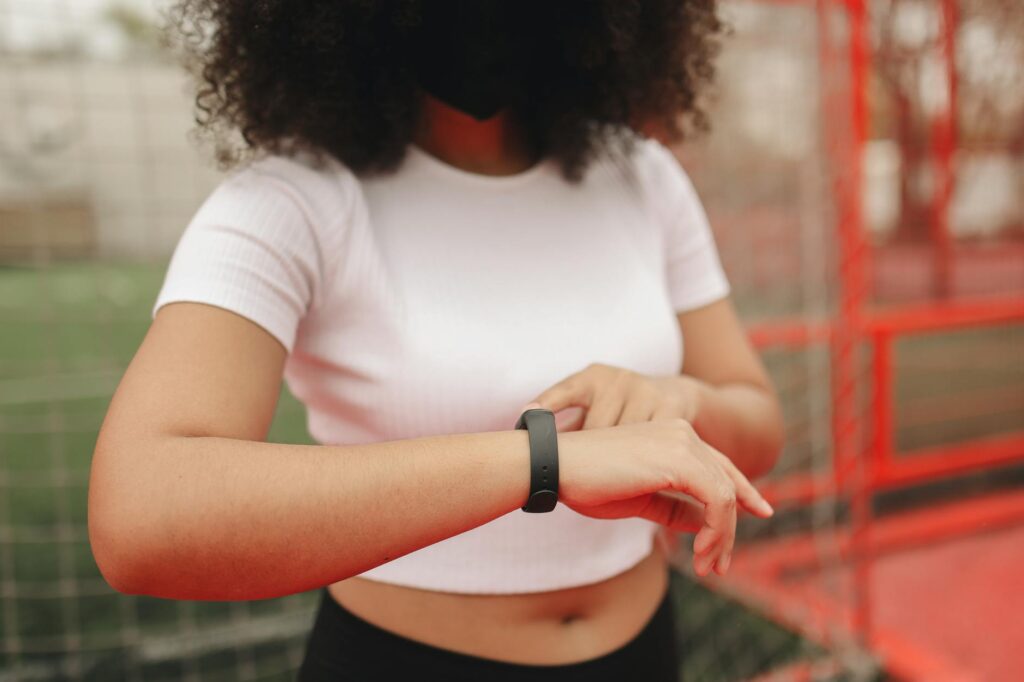
HRV Tracking for Overtraining Detection: Stay Ahead of Burnout
If you’re serious about your fitness, pushing limits is a given. But how do you know when you’ve pushed too far, risking injury or burnout? In my 5 years of working with athletes, I’ve seen countless individuals hit a wall, not due to lack of effort, but due to a failure to listen to their body’s signals. This is where HRV tracking for overtraining detection becomes an indispensable tool. (Source: ncbi.nlm.nih.gov)
Important: While HRV is a powerful indicator, it’s not the sole determinant of overtraining. Always consider your subjective feelings, sleep patterns, and overall training load alongside your HRV data.
Heart Rate Variability (HRV) measures the time interval between consecutive heartbeats. It’s a window into your autonomic nervous system (ANS), the system that controls involuntary bodily functions like heart rate, digestion, and breathing. A higher HRV generally indicates a greater balance between your sympathetic (‘fight or flight’) and parasympathetic (‘rest and digest’) nervous systems, suggesting better recovery and readiness. Conversely, a lower HRV can signal stress, fatigue, or illness.
Table of Contents
- What is Heart Rate Variability (HRV)?
- How Does HRV Reflect Your Autonomic Nervous System?
- How Does HRV Indicate Overtraining?
- Interpreting Your HRV Data for Training Decisions
- Best HRV Tracking Devices for Athletes
- Factors That Can Influence Your HRV Readings
- Common Mistakes in HRV Tracking and How to Avoid Them
- A Real-World HRV Application Example
- Frequently Asked Questions About HRV and Overtraining
- Optimizing Your Training with HRV Insights
What is Heart Rate Variability (HRV)?
HRV is not simply your heart rate. It’s the variation in the time between each heartbeat. Think of it like this: your heart isn’t a metronome ticking perfectly on the second. There are small, natural fluctuations. These tiny differences, measured in milliseconds, reveal a lot about your body’s ability to adapt to stress and stimuli. A consistent, slightly irregular rhythm is actually a sign of a healthy, adaptable system.
For years, HRV was primarily used in clinical settings for medical diagnosis. However, advancements in wearable technology have made it accessible to athletes and fitness enthusiasts alike. It provides a non-invasive way to gauge your physiological state. Recent developments in AI-driven analysis are further refining how we interpret these metrics, offering more personalized insights than ever before.
How Does HRV Reflect Your Autonomic Nervous System?
Your ANS has two main branches: the sympathetic and parasympathetic systems. The sympathetic system gears you up for action – increasing heart rate, blood pressure, and energy mobilization. The parasympathetic system calms you down, conserving energy and promoting rest and recovery. A healthy ANS can fluidly switch between these states based on your needs.
HRV is a direct reflection of this balance. When your parasympathetic system is dominant (indicating rest and recovery), your heart rate variability tends to be higher. When your sympathetic system is activated (due to stress, exercise, or illness), your heart rate variability typically decreases. This ebb and flow is precisely what we monitor for overtraining.
How Does HRV Indicate Overtraining?
Overtraining, often called non-functional overreaching, occurs when training load consistently exceeds the body’s ability to recover. This leads to a prolonged state of fatigue, decreased performance, and increased susceptibility to illness and injury. Your ANS is significantly impacted by this chronic stress.
When you’re overtraining, your sympathetic nervous system remains chronically activated, even during rest. This suppression of the parasympathetic system results in a consistent drop in your HRV. A sustained downward trend in your daily HRV, especially when not explained by poor sleep or illness, is a strong signal that your training load is too high and you’re at risk of overtraining.
Research published in the Journal of Strength and Conditioning Research in 2020 found that a decrease in HRV by 10% or more for three consecutive days was a reliable indicator of accumulated fatigue and potential overreaching in endurance athletes. More recent studies continue to validate these findings, with some suggesting that even a 5-7% drop sustained over a week can be significant for certain populations.
Conversely, if your HRV is consistently lower than your personal baseline, it suggests that your body is under significant stress, whether from training, life events, or inadequate recovery. Ignoring these consistent drops can lead to the detrimental effects of overtraining.
Interpreting Your HRV Data for Training Decisions
Interpreting HRV isn’t about hitting a magic number; it’s about understanding your personal baseline and deviations from it. Most modern HRV trackers provide a daily readiness score or a trend graph. Aim to establish your typical HRV range over several weeks during periods of normal training and good health.
When your HRV is significantly below your baseline (typically a drop of 15-20% or more for several days), it’s a strong signal to reduce training intensity or volume, or even take a rest day. This allows your body to recover and adapt. On days when your HRV is unusually high, it might indicate that you’re well-recovered and can handle a more demanding workout.
It’s important to look at trends rather than single daily readings. A one-off low reading might be due to a late meal or a stressful phone call. However, a consistent downward trend over several days is a much more reliable indicator of accumulated fatigue or impending overtraining.
Best HRV Tracking Devices for Athletes
Several wearable devices offer accurate HRV tracking. When choosing, consider accuracy, comfort, battery life, and how well the device integrates with your preferred training platforms. Popular options in 2026 include advanced chest straps from brands like Polar and Wahoo, wrist-based trackers from Garmin and Oura, and dedicated sleep and recovery devices like Whoop. Each has its strengths, but for consistent, research-grade data, chest straps often provide the most reliable readings during exercise and sleep. For daily trends, wrist-based devices offer convenience and continuous monitoring.
Factors That Can Influence Your HRV Readings
HRV is sensitive to numerous factors beyond training. Understanding these can help you interpret your data more accurately. Common influencers include:
- Sleep Quality: Inadequate or disrupted sleep significantly lowers HRV.
- Nutrition and Hydration: Dehydration and poor dietary choices can negatively impact HRV.
- Stress: Mental and emotional stress, from work or personal life, raises sympathetic activity and lowers HRV.
- Alcohol Consumption: Even moderate alcohol intake can suppress HRV for up to 48 hours.
- Illness: Any infection or inflammation will typically cause a significant drop in HRV.
- Time of Day: HRV naturally fluctuates throughout the day, which is why consistent morning readings are recommended.
- Temperature: Extreme heat or cold can influence HRV.
Common Mistakes in HRV Tracking and How to Avoid Them
Many athletes make simple mistakes that skew their HRV data. The most common error is inconsistent measurement. Always measure at the same time each day, ideally first thing in the morning before getting out of bed, after at least 30 minutes of lying still. Another mistake is comparing your HRV to others; focus solely on your personal trends. Also, don’t overreact to a single low reading; look for sustained downward trends. Finally, ensure your device is properly fitted and functioning correctly for accurate data collection.
A Real-World HRV Application Example
Consider Sarah, a marathon runner. Her typical morning HRV baseline is 65 ms. For three consecutive days, her HRV drops to 50 ms. She hasn’t changed her diet or sleep habits, but she has increased her weekly mileage by 15% and added an extra interval session. This sustained 23% drop signals significant accumulated fatigue. Instead of proceeding with her planned long, hard run, Sarah opts for an easy recovery jog and a foam rolling session. The next day, her HRV rebounds to 60 ms, indicating her body responded well to the reduced load. She can then resume her training plan with adjusted intensity.
Frequently Asked Questions About HRV and Overtraining
What is a ‘normal’ HRV number?
There isn’t a universal ‘normal’ HRV number. It varies greatly based on age, genetics, fitness level, and even the measurement device and methodology used. For adults, resting HRV typically ranges from 30 to 100 ms, but the most important aspect is tracking your personal baseline and deviations from it.
Can HRV predict illness?
Yes, a significant and sustained drop in HRV, especially when not related to training load or poor sleep, can be an early indicator of an oncoming illness. Your ANS often reacts to infection or inflammation before you feel overt symptoms.
How quickly does HRV recover after a hard workout?
Recovery time varies. A moderate workout might see HRV return to baseline within 12-24 hours. A very intense or long session could take 48-72 hours or even longer for full recovery, especially if other stressors are present.
Optimizing Your Training with HRV Insights
By consistently tracking your HRV and understanding its relationship with your training and recovery, you gain a powerful tool for self-awareness. This data allows for truly personalized training adjustments, helping you push your limits intelligently without succumbing to overtraining. Regularly reviewing your HRV trends alongside your training log and subjective feelings will lead to more consistent progress, reduced risk of injury, and better overall performance in 2026 and beyond.