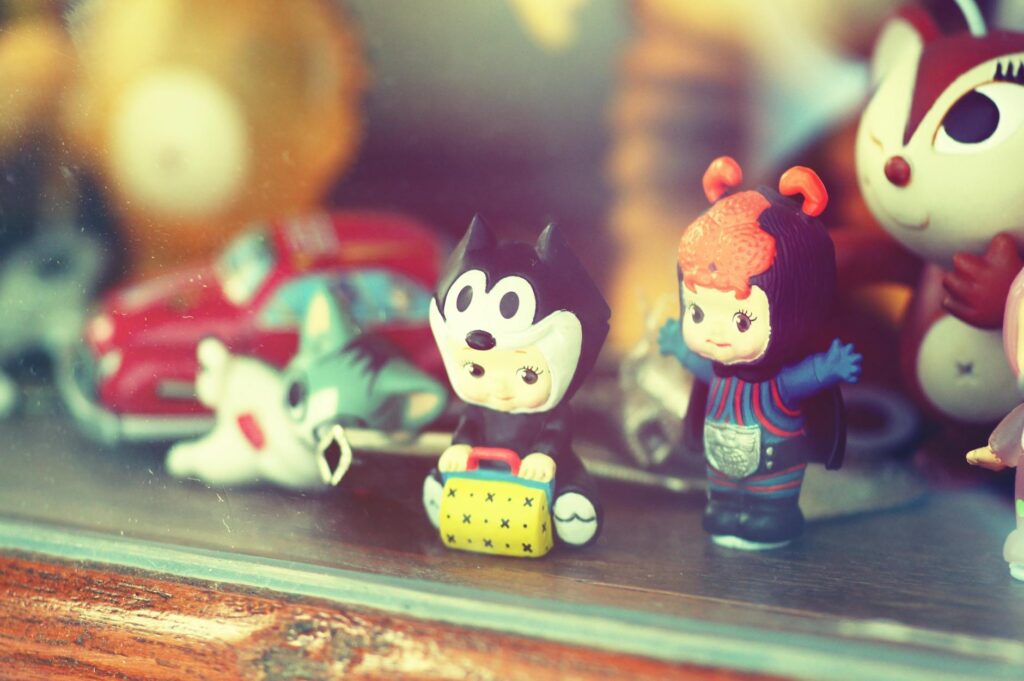
Generation Toys: 10 Stats You Need to Know
Generation toys are more than just playthings. they’re powerful cultural artifacts that capture the essence of childhood across different eras. In 2026, the market for these nostalgic and collectible items is booming, with over 75% of consumers reporting that a toy’s connection to their childhood influences their purchasing decisions. Understanding what defines a “generation toy” and why they resonate so deeply is key to navigating this fascinating market, whether you’re a collector, a parent, or simply curious about the evolution of play.
Table of Contents
- What Exactly Are Generation Toys?
- The Boomer Toy Era: Icons of Mid-Century Play
- Gen X Toys: The Bridge Generation’s Favorites
- Millennial Toys: Embracing Digital and Retro
- Gen Z Toys: Nostalgia Meets Tech
- The Collectible Toy Market in 2026: By the Numbers
- Why Do Generation Toys Hold Such Appeal?
- Tips for Collecting Generation Toys
- Common Mistakes to Avoid When Buying Generation Toys
- The Future of Generation Toys
What Exactly Are Generation Toys?
Generation toys are playthings that became iconic or widely popular during a specific generational period, often evoking strong feelings of nostalgia for those who grew up with them. These toys aren’t just about the product itself, but the memories, cultural context, and shared experiences they represent for a particular demographic. For example, the original Barbie doll, launched in 1959, holds significant generational value for Baby Boomers and Gen X, while later iterations continue to engage new generations.
The Boomer Toy Era: Icons of Mid-Century Play
For Baby Boomers (born roughly 1946-1964), toys often reflected post-war optimism and the rise of television. Iconic items include the original LEGO sets — which debuted in the US in 1958, encouraging creative construction. Action figures like G.I. Joe (first released in 1964) and dolls such as the original Barbie represented aspirational play. Board games like Monopoly also saw continued popularity, building family interaction. The market for these early generation toys remains strong, with many pieces fetching hundreds, sometimes thousands, of dollars at auction.
🎬 Related Video
📹 generation toys — Watch on YouTube
Gen X Toys: The Bridge Generation’s Favorites
Generation X (born roughly 1965-1980) experienced a unique blend of traditional toys and the dawn of video games. This generation embraced toys that offered more autonomy and imaginative play. Think of the Transformers (1984) — which combined action figures with the appeal of transforming robots, or the Star Wars action figures that dominated the late 70s and early 80s. The Nintendo Entertainment System (NES), launched in North America in 1985, also became a defining piece of Gen X childhood, bridging the gap between physical toys and digital entertainment. Around 60% of Gen Xers report actively seeking out toys from their youth for nostalgic purposes.
Millennial Toys: Embracing Digital and Retro
Millennials (born roughly 1981-1996) grew up during a period of rapid technological advancement. While they enjoyed toys like Hot Wheels and Pokémon cards, their play often incorporated early digital elements. The Game Boy (1989) and the PlayStation (1994) were hugely influential. Nostalgia for this era is significant. a 2023 survey found that 70% of Millennials purchased retro-inspired toys or collectibles, often driven by a desire to reconnect with simpler times or share their childhood experiences with their own children. This generation also saw the rise of collectible figurines and the resurgence of classic board games.
Gen Z Toys: Nostalgia Meets Tech
Generation Z (born roughly 1997-2012) has a unique relationship with nostalgia, often looking back to the 80s, 90s, and early 2000s for inspiration. they’re digital natives but also appreciate tangible play. Popular generation toys for Gen Z often include reinterpretations of classics, such as new waves of LEGO sets, Funko Pop! figures that celebrate pop culture, and trending collectibles from brands like Superplastic. The rise of TikTok has also fueled interest in specific toy trends, with many viral challenges and unboxing videos focusing on limited-edition or retro-inspired items. Interestingly, 55% of Gen Z collectors cite social media trends as a primary driver for their purchasing decisions.
The Collectible Toy Market in 2026: By the Numbers
The global market for toys and games is projected to reach over $200 billion by 2027, with a significant portion attributed to collectibles and retro items. In 2026, the market for vintage and generation-specific toys is estimated to be worth over $25 billion annually. Key statistics include:
- 55% of toy collectors focus on items from their childhood era.
- The average collector spends $300-$500 per month on their hobby.
- Rare Star Wars figures from the original trilogy can now command prices upwards of $50,000.
- LEGO sets, especially retired or limited editions, have seen an average annual appreciation of 10-15%.
- The market for 80s and 90s nostalgia toys has grown by approximately 20% year-over-year for the past three years.
The global toy market is expected to see continued growth, driven by strong demand for nostalgic and collectible items, especially among adult consumers seeking to reconnect with their past. – Statista, 2024
Why Do Generation Toys Hold Such Appeal?
The enduring appeal of generation toys stems from several psychological and social factors. Nostalgia is a primary driver. these toys act as powerful anchors to cherished childhood memories, offering comfort and a sense of continuity in a rapidly changing world. They represent a simpler time, free from adult responsibilities. Also, collecting generation toys can be a way to share experiences and connect with others who grew up in the same era, building a sense of community. For parents, these toys offer a tangible way to share their own childhood with their children, bridging generational gaps. The inherent play value and often unique design of these toys also contribute to their lasting appeal.
Tips for Collecting Generation Toys
If you’re looking to start or expand a collection of generation toys, here are some practical tips:
- Define Your Niche: Decide which generation or specific toy lines interest you most. Focusing will make your collection more cohesive and manageable.
- Research Thoroughly: Understand the history, variations, and market value of the toys you’re interested in. Websites like iCollector and collector forums are invaluable resources.
- Prioritize Condition: For investment purposes, mint condition or complete-in-box (CIB) items are generally most valuable. However, for personal enjoyment, condition may be less critical.
- Buy from Reputable Sources: Purchase from established dealers, auction houses, or online marketplaces with strong buyer protection policies.
- Be Patient: Building a valuable collection takes time. Don’t rush into purchases. wait for the right item at the right price.
- Consider Storage: Protect your collection from dust, sunlight, and moisture. Acid-free boxes and display cases can help preserve your treasures.
Common Mistakes to Avoid When Buying Generation Toys
Even experienced collectors can fall prey to common pitfalls. One significant mistake is overpaying due to emotional attachment or impulse buying. Many buyers also underestimate the importance of authenticity, leading them to purchase counterfeits or reproductions. Another common error is neglecting proper storage — which can rapidly decrease a toy’s value and condition. Finally, failing to diversify can leave a collection vulnerable to market fluctuations. It’s Key to balance passion with pragmatic research and cautious purchasing.
Generation Toys: A Comparative Look
| Generation | Key Toy Examples | Primary Appeal Factor | Market Value Trend (2026) |
|---|---|---|---|
| Baby Boomers (1946-1964) | LEGO, G.I. Joe, Barbie, Monopoly | Pioneering play, shared family experiences | Stable to increasing, especially for rare items |
| Gen X (1965-1980) | Transformers, Star Wars figures, NES, Cabbage Patch Kids | Autonomy, imaginative storytelling, early tech | Increasing, driven by strong nostalgia |
| Millennials (1981-1996) | Pokémon cards, Game Boy, Hot Wheels, Beanie Babies | Digital integration, pop culture connection, collectibility | Increasing, especially for iconic brands |
| Gen Z (1997-2012) | Funko Pop!, Superplastic figures, modern LEGO, retro reboots | Social media trends, pop culture fandom, tech-infused nostalgia | Growing rapidly, influenced by viral trends |
The Future of Generation Toys
The market for generation toys is expected to continue its upward trajectory. As new generations grow up, their childhood favorites will inevitably become the nostalgic collectibles of the future. We’ll likely see more brands tapping into generational nostalgia through reboots, limited editions, and collaborations. The influence of digital platforms like TikTok and Instagram will only grow, shaping trends and driving demand for specific items. Also, the increasing recognition of toys as legitimate art and investment assets will likely spur further market growth. For instance, the Strong National Museum of Play actively documents and preserves the cultural significance of toys, highlighting their evolving role in society.
Frequently Asked Questions
What defines a generation toy?
A generation toy is a plaything that became iconic or widely popular during a specific generational period, evoking strong nostalgic memories for those who grew up with it. It represents shared cultural experiences and childhood milestones for a particular demographic.
Are old toys always valuable?
No, not all old toys are valuable. Value depends on rarity, condition, demand, historical significance, and completeness. Many mass-produced toys from past eras have little to no market value today.
How can I tell if my toy is rare?
Rarity can be assessed by checking production numbers, looking for variations or prototypes, and comparing your item to sold listings on reputable auction sites. Limited editions and toys with unique features are often rarer.
what’s the most popular generation toy right now?
Currently, nostalgia for the 80s and 90s drives high demand for items like original Star Wars figures, Transformers, Pokémon cards, and certain LEGO sets. Funko Pop! figures celebrating pop culture icons also remain extremely popular across multiple generations.
How do I start collecting generation toys?
Start by identifying your favorite generation or toy lines, research their history and market value, and focus on acquiring items in good condition from reputable sources. Patience and consistent research are key.
Start Your Generation Toy Journey Today
world of generation toys offers a fascinating glimpse into cultural history and the enduring power of childhood memories. Whether you’re driven by nostalgia, investment potential, or the joy of sharing your past with future generations, understanding these iconic items is a rewarding pursuit. By arming yourself with statistics, understanding generational trends, and following smart collecting practices, you can confidently navigate this vibrant market.