Foenegriek, more commonly known as fenugreek, is an ancient herb that has been a staple in traditional medicine and cuisines for centuries. Its distinctive, slightly bitter, maple-like aroma and flavor make it a unique ingredient, but its true value lies in its remarkable array of health benefits. From aiding digestion to potentially supporting blood sugar levels and promoting lactation, foenegriek offers a natural path to wellness that continues to be explored and validated by modern science. This guide will navigate you through the extensive properties of foenegriek, its historical significance, and how you can incorporate it safely and effectively into your life.
Table of Contents
The History and Botany of Foenegriek
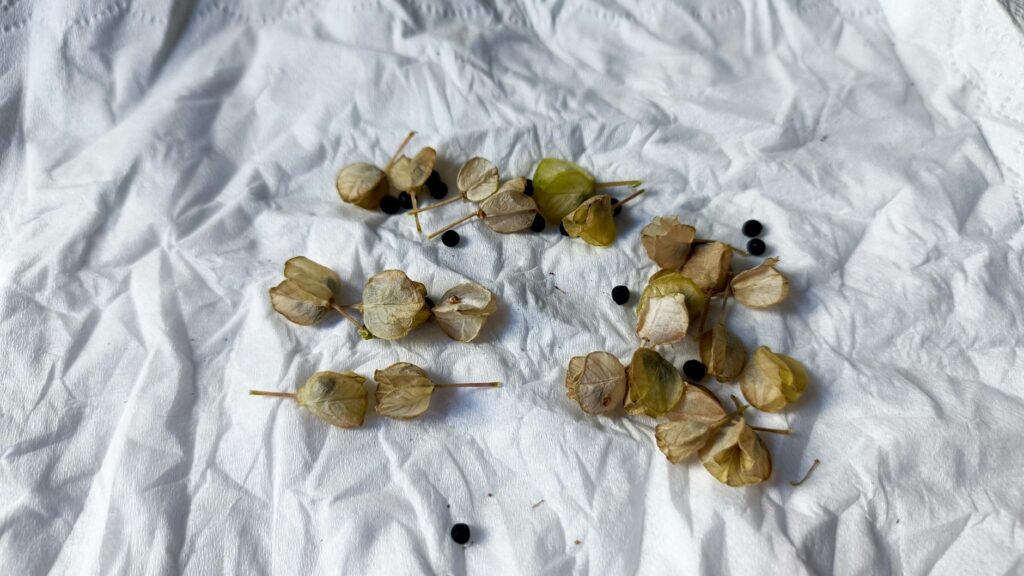
The story of foenegriek is as rich and layered as its flavor. Scientifically known as Trigonella foenum-graecum, this annual herb belongs to the Fabaceae family, the same family as soybeans and peas. Native to the Mediterranean region, North Africa, and parts of Asia, foenegriek has been cultivated for thousands of years. Archaeological evidence suggests its use dates back to ancient Egypt, where it was found in tombs, and it was also widely used in ancient Greece and Rome. Its aromatic seeds, leaves, and even roots have been utilized for medicinal, culinary, and even cosmetic purposes. The plant itself is characterized by its small, white flowers and long, slender pods containing numerous small, hard, yellowish-brown seeds. These seeds are the most commonly used part of the plant due to their concentrated nutritional and medicinal compounds.
For me, understanding the historical context of a herb like foenegriek adds a layer of appreciation for its enduring relevance. In my 15 years of exploring natural wellness, I’ve found that herbs with long histories of use often hold significant, albeit sometimes understated, benefits. The fact that foenegriek was valued across multiple ancient civilizations speaks volumes about its perceived efficacy and versatility. Its journey from ancient apothecaries to modern kitchens and supplement aisles is a testament to its lasting impact on human health and culture.
The distinctive scent of foenegriek is often attributed to a compound called sotolon. This aroma is quite potent and can linger, which is why it’s sometimes noticeable in individuals who consume it regularly. Botanically, the plant thrives in well-drained soil and prefers warm, sunny conditions, making it adaptable to various climates where it has been introduced, including parts of India, where it is a key ingredient in many regional cuisines.
Understanding the Health Benefits of Foenegriek
The therapeutic properties of foenegriek are primarily attributed to its rich chemical composition. The seeds are packed with soluble fiber (galactomannan), proteins, alkaloids, saponins, flavonoids, and minerals like iron, magnesium, and manganese. This complex profile contributes to its wide range of health applications.
One of the most researched benefits of foenegriek is its potential to help manage blood sugar levels. The soluble fiber in foenegriek slows down the absorption of carbohydrates and sugar in the digestive tract. Studies, such as one published in the journal Diabetes Care, have indicated that fenugreek seeds can improve glucose tolerance and reduce fasting blood glucose levels in individuals with type 2 diabetes. While not a replacement for conventional diabetes treatment, it shows promise as a complementary approach.
Another significant benefit is foenegriek’s role in promoting digestive health. The mucilaginous nature of its soluble fiber can soothe the stomach lining, acting as a protective barrier. It is traditionally used to alleviate indigestion, heartburn, and constipation. The fiber also acts as a prebiotic, feeding beneficial gut bacteria, which is crucial for overall digestive well-being.
For breastfeeding mothers, foenegriek is a well-known galactagogue, meaning it can help increase milk production. This effect is believed to be due to certain compounds in the herb that may stimulate sweat glands and mammary glands. Many anecdotal reports and some smaller studies suggest its efficacy, though it’s always advisable to consult with a healthcare provider before using it for this purpose.
Foenegriek also exhibits properties that may benefit heart health. Research suggests it can help lower cholesterol levels, particularly LDL (bad) cholesterol, and triglycerides, while potentially increasing HDL (good) cholesterol. This is likely due to the presence of saponins, which may interfere with the absorption of cholesterol in the gut.
Furthermore, foenegriek possesses anti-inflammatory and antioxidant effects. Compounds like flavonoids and polyphenols help combat oxidative stress caused by free radicals, which are linked to chronic diseases and aging. Its anti-inflammatory properties may also contribute to its benefits for digestive and joint health.
Culinary Applications of Foenegriek
Foenegriek is more than just a medicinal herb; it’s a versatile ingredient that adds depth and character to a wide range of dishes, particularly in South Asian, Middle Eastern, and North African cuisines. The seeds have a slightly bitter, earthy, and maple-like flavor profile that becomes more pronounced when toasted or cooked. The fresh leaves, known as fenugreek greens or ‘methi,’ offer a milder, more herbaceous taste.
In Indian cooking, fenugreek seeds are a fundamental spice. They are often tempered in hot oil at the beginning of cooking to release their aroma and flavor, forming the base for curries, lentil dishes (dal), and vegetable preparations. They are also a key component in spice blends like panch phoron (a Bengali five-spice mix) and garam masala. Fenugreek leaves (methi) are used extensively in dishes like ‘Aloo Methi’ (potatoes with fenugreek) and ‘Methi Paratha’ (fenugreek flatbread). The dried leaves, called ‘kasuri methi,’ are a concentrated form of the fresh herb and are often crushed and added towards the end of cooking to impart a distinct aroma and flavor to gravies and breads.
In Middle Eastern cuisine, foenegriek seeds are used in spice rubs for meats and in bread toppings. They are also a key ingredient in the popular spice blend ‘za’atar,’ which typically includes thyme, sumac, sesame seeds, and foenegriek. The seeds can be sprouted and added to salads, providing a fresh, slightly bitter crunch.
Beyond traditional uses, you can experiment with foenegriek in modern cooking. Try adding a pinch of toasted seeds to salad dressings, marinades, or even baked goods like crackers or bread for an unexpected savory note. Foenegriek sprouts can add a unique texture and flavor to sandwiches and wraps.
When using foenegriek seeds, a little goes a long way due to their potent flavor. Toasting them lightly in a dry pan or with a bit of oil can transform their taste, making them less bitter and more aromatic. If you find the seeds too hard to chew, soaking them in water for a few hours or overnight can soften them considerably.
The leaves can be used similarly to spinach or other leafy greens. They are delicious sautéed with garlic and ginger, added to omelets, or incorporated into doughs for savory pastries.
How to Use Foenegriek Safely and Effectively
Incorporating foenegriek into your routine can be done through various methods, each offering different benefits and levels of convenience. The most common forms include whole seeds, ground powder, capsules, and teas.
Whole Seeds: These are the most versatile. You can sprout them for salads, toast them for spice blends, boil them to make a tea or decoction, or soak them to soften before cooking. Sprouting involves rinsing the seeds and soaking them in water for 8-12 hours, then draining and rinsing them daily for 2-3 days until sprouts appear. To toast, dry roast them in a pan over medium heat until fragrant, being careful not to burn them.
Ground Powder: Fenugreek powder is readily available or can be made by grinding toasted seeds. It’s easy to add to smoothies, yogurt, oatmeal, or mix into spice rubs and marinades. However, ground seeds lose their potency faster than whole seeds, so it’s best to store them in an airtight container in a cool, dark place.
Capsules/Supplements: For those seeking specific health benefits without the distinct flavor, fenugreek supplements are a convenient option. These typically contain standardized extracts or ground fenugreek seeds. It’s crucial to choose reputable brands and follow the dosage instructions on the product label or as advised by a healthcare professional. This is where I see many people get it wrong; they assume more is better, but with supplements, precise dosing is key.
Tea: Fenugreek tea can be made by steeping 1-2 teaspoons of whole or ground seeds in hot water for 5-10 minutes. The flavor can be strong, so you might want to add honey, lemon, or ginger to improve the taste. This method is often used for digestive issues or as a lactation aid.
Dosage Guidance:
There isn’t a universally established dosage for foenegriek, as it depends on the form used and the intended purpose. However, general guidelines from traditional use and some studies suggest:
- Seeds: 1-2 teaspoons (5-10 grams) per day, often soaked or cooked.
- Powder: 1-2 teaspoons (5-10 grams) per day mixed into food or drinks.
- Supplements: Typically range from 500 mg to 1300 mg per day, divided into doses, but always follow product or professional recommendations.
- Tea: 1-3 cups per day.
It’s always best to start with the lowest effective dose and gradually increase if needed and tolerated. Consistency is key for experiencing potential benefits, especially for chronic conditions.
When I first started experimenting with foenegriek, I found that adding a tablespoon of soaked seeds to my morning oatmeal was an easy way to integrate it. The soaking softened them, and the oatmeal masked the strong flavor. This approach allowed me to gauge my tolerance and observe any subtle effects without committing to a stronger dose immediately.
Potential Side Effects and Precautions
While foenegriek is generally considered safe for most adults when consumed in amounts typically found in food or as recommended in supplements, it’s important to be aware of potential side effects and contraindications. Understanding these can help you use foenegriek responsibly and avoid adverse reactions.
One of the most common side effects is gastrointestinal upset. Due to its high fiber content, consuming large amounts, especially without adequate water, can lead to bloating, gas, diarrhea, and stomach discomfort. It’s advisable to start with a small dose and increase gradually, ensuring you drink plenty of fluids throughout the day.
Another notable side effect is a distinctive body odor. Fenugreek can cause a maple syrup-like scent in urine and sweat, which is harmless but can be surprising or off-putting for some individuals. This is due to the presence of sotolon, the same compound responsible for its aroma.
Foenegriek can also interact with certain medications. Because it can lower blood sugar levels, individuals taking diabetes medications (like metformin, insulin, or glyburide) should monitor their blood glucose closely, as the combination might lead to hypoglycemia (dangerously low blood sugar). It may also have blood-thinning effects, so caution is advised for those taking anticoagulant or antiplatelet drugs (such as warfarin or aspirin).
Who should avoid or use caution with foenegriek?
- Pregnant women: Fenugreek can stimulate uterine contractions and may increase the risk of miscarriage or premature birth. It should be avoided during pregnancy, except possibly in the very late stages under strict medical supervision if recommended for labor induction.
- Individuals with diabetes: As mentioned, close monitoring of blood sugar is essential.
- Individuals with hormone-sensitive conditions: Fenugreek contains compounds that may mimic estrogen. While research is ongoing, individuals with conditions like breast cancer, uterine fibroids, or endometriosis should consult their doctor before use.
- People with allergies to legumes: If you have a known allergy to peanuts, soybeans, or other legumes, you might also be allergic to fenugreek.
It’s always prudent to consult with a healthcare professional before starting any new supplement, especially if you have pre-existing health conditions or are taking medications. They can provide personalized advice on dosage, potential interactions, and whether foenegriek is appropriate for your specific needs.
A common mistake people make is assuming that because foenegriek is a natural substance, it’s automatically safe for everyone in any amount. However, natural doesn’t always mean risk-free. Overconsumption can lead to significant digestive distress, and interactions with medications are a genuine concern that cannot be overlooked.
External Authority Link: For more information on potential drug interactions, the U.S. National Library of Medicine’s MedlinePlus offers extensive resources on herbal supplements and their interactions with conventional medications. You can find general information on fenugreek and its interactions here: MedlinePlus – Fenugreek.
- Supports healthy blood sugar levels.
- Aids digestive health and alleviates indigestion.
- May increase breast milk production in lactating mothers.
- Can help manage cholesterol levels.
- Rich in essential nutrients and antioxidants.
- Versatile culinary ingredient.
- Can cause gastrointestinal upset (bloating, gas, diarrhea).
- May lead to a distinct body odor.
- Potential interactions with diabetes and blood-thinning medications.
- Should be avoided during pregnancy by most individuals.
- Strong flavor can be unappealing to some.
Frequently Asked Questions
What exactly is foenegriek?
Foenegriek, scientifically known as Trigonella foenum-graecum, is an annual herb native to the Mediterranean and parts of Asia. Its seeds and leaves are used in traditional medicine and cooking, prized for their distinctive aroma and potential health benefits, including digestive support and blood sugar management.
How does foenegriek help with blood sugar?
Foenegriek contains soluble fiber, specifically galactomannan, which slows down the absorption of sugar into the bloodstream. Additionally, compounds within the seeds may improve the body’s response to insulin, contributing to better glucose control in individuals with diabetes.
Can foenegriek cause allergic reactions?
Yes, individuals with allergies to legumes, such as peanuts or soybeans, may also react to foenegriek due to shared protein structures. Symptoms can range from mild skin rashes to more severe reactions. It’s important to consult with a healthcare provider if you have known legume allergies.
Is it safe to take foenegriek every day?
For most adults, consuming foenegriek in moderate daily amounts, whether through food or recommended supplement dosages, is generally considered safe. However, starting with a lower dose and increasing gradually is advised to monitor tolerance and avoid potential side effects like digestive upset.
How long does it take for foenegriek to work?
The time it takes for foenegriek to show effects can vary significantly depending on the individual, the dosage, and the specific health concern. Some people may notice benefits related to digestion within days, while effects on blood sugar or lactation might take several weeks of consistent use to become apparent.
Final Thoughts on Embracing Foenegriek
Foenegriek stands as a remarkable example of nature’s pharmacy, offering a blend of culinary delight and potent health benefits that have been recognized for millennia. Whether you’re drawn to its potential to support metabolic health, aid digestion, or enhance your cooking with its unique flavor profile, this ancient herb offers a valuable addition to a health-conscious lifestyle. From its historical roots to its modern applications, foenegriek continues to prove its worth, demonstrating that sometimes, the most effective solutions are found in the wisdom of the past, validated by the science of today.
I encourage you to explore foenegriek thoughtfully. Start with small, manageable steps, whether it’s adding a pinch of seeds to your next curry or trying a fenugreek tea. Pay attention to how your body responds, and always prioritize safety by consulting with a healthcare professional, particularly if you have existing health conditions or are taking medications. By doing so, you can confidently and effectively harness the power of foenegriek for your well-being.