Fitness Motivation for Beginners: Your Ultimate Guide
Feeling overwhelmed by the thought of starting a fitness routine? You’re not alone! This guide provides essential fitness motivation for beginners, offering practical, easy-to-implement strategies to help you kickstart your journey and build lasting healthy habits. Let’s face it, the hardest part is often just getting started, and staying motivated can feel like a constant challenge. But what if I told you that finding your drive doesn’t have to be a daily battle? (Source: cdc.gov)
With over a decade of experience helping individuals integrate movement into their lives, I’ve seen firsthand how a few simple mindset shifts and actionable steps can transform a daunting task into an enjoyable part of your day. This isn’t about grueling workouts or restrictive diets; it’s about finding sustainable ways to incorporate movement and feel fantastic about yourself. We’ll cover everything from setting realistic goals to discovering your ‘why’ and overcoming those inevitable plateaus.
Contents
- Why Starting Small is Your Secret Weapon
- Discover Your Deepest ‘Why’
- Setting SMART Fitness Goals
- Overcoming Common Exercise Barriers
- Make Fitness Fun and Engaging
- Track Your Progress, Not Just the Scale
- Stay Accountable to Yourself and Others
- Celebrate Every Win, Big or Small
- Frequently Asked Questions
- Your Next Steps to Lasting Motivation
Why Starting Small is Your Secret Weapon
When I first embarked on my own fitness journey back in 2014, I made the mistake of trying to do too much too soon. I’d commit to two-hour gym sessions, convinced I needed to burn off every calorie consumed. Within two weeks, I was exhausted, sore, and completely demotivated. That’s when I learned the power of starting small. Instead of aiming for an hour-long workout, I committed to just 15 minutes of brisk walking three times a week. This felt so manageable that I actually stuck with it.
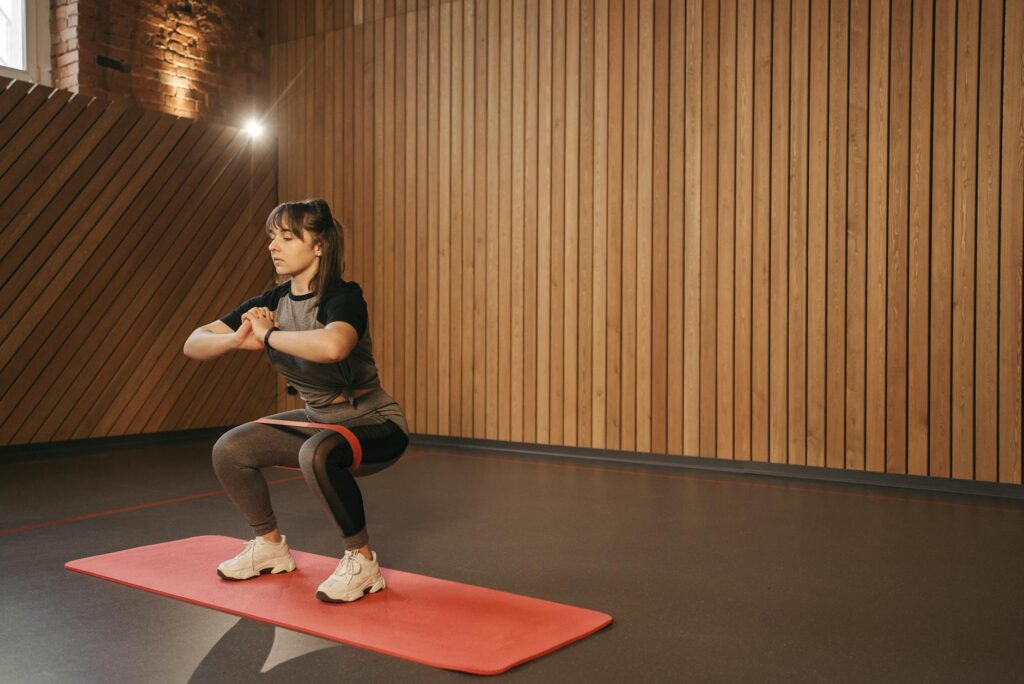
The key here is building momentum. Small, consistent wins create a positive feedback loop. When you achieve something easily, your brain releases dopamine, making you feel good and more likely to repeat the behavior. For beginners in 2026, this might mean a 10-minute walk, a few bodyweight squats, or stretching for 5 minutes. The goal isn’t immediate transformation; it’s establishing the habit itself.
Discover Your Deepest ‘Why’
Motivation often wanes when it’s superficial. Simply wanting to ‘lose weight’ or ‘look better’ might not be enough to push you through challenging days. Dig deeper. Why do you *really* want to get fitter? Is it to have more energy to play with your children or grandchildren? To reduce stress and improve your mental well-being? To feel stronger and more confident in your daily life? Perhaps it’s to manage a health condition like high blood pressure, as recommended by health professionals, or to improve sleep quality, a common goal for many adults.
When I was struggling to re-establish exercise after a demanding work period, I realized my ‘why’ was about reclaiming my energy and mental clarity. I was feeling sluggish and uninspired, and I knew physical activity was the antidote. Focusing on that feeling of renewed vitality and focus, rather than just a number on the scale, made all the difference. Write down your ‘why’ and keep it somewhere visible – on your bathroom mirror, your workspace, or as your phone’s lock screen.
Setting SMART Fitness Goals
Vague goals lead to vague results. Using the SMART framework (Specific, Measurable, Achievable, Relevant, Time-bound) is essential for beginners. Instead of saying ‘I want to exercise more,’ try: ‘I will walk for 30 minutes, three times this week, specifically on Monday, Wednesday, and Friday after work.’ This is concrete and actionable.
For your first month, focus on consistency over intensity. An achievable goal might be completing 80% of your planned workouts. Ensure your goals align with your ‘why.’ If your ‘why’ is to have more energy, then focusing on activities that boost your cardiovascular health is relevant. Time-bound goals provide a deadline, creating a sense of progress and accomplishment.
Important: Avoid comparing your beginning to someone else’s middle. Everyone starts somewhere, and your journey is unique. Focus on your own progress and celebrate your personal milestones.
Overcoming Common Exercise Barriers
What stops most beginners? Lack of time, low energy, boredom, and uncertainty about what to do are significant obstacles. Let’s address them.
- Lack of Time: Schedule workouts like important appointments. Even 10-20 minutes counts. Break up physical activity into smaller chunks throughout the day, like a short walk during a lunch break or stretching before bed.
- Low Energy: Counterintuitively, exercise often boosts energy levels. Start with low-intensity activities like walking. Consider exercising in the morning before fatigue typically sets in.
- Boredom: Variety is key! Explore different activities, listen to engaging podcasts or music, or find a workout buddy for added motivation and accountability.
- Not Knowing What to Do: Begin with simple, bodyweight exercises or walking. Utilize free online resources, fitness apps, or beginner-friendly workout videos available on platforms like YouTube.
A common pitfall I observe is individuals feeling guilty for not exercising. This guilt is counterproductive. Instead, reframe it: ‘I didn’t get my planned workout in today, but I *will* get my walk in tomorrow morning.’ This shifts the focus from a perceived failure to future action and commitment.
Make Fitness Fun and Engaging
If exercise feels like a chore, long-term adherence is unlikely. Think about activities you genuinely enjoy or used to enjoy. Dancing? Hiking? Swimming? Participating in a recreational sport? Incorporate these into your routine. Even something as simple as putting on your favorite upbeat music can make a 20-minute walk feel significantly more enjoyable and less like a task.
I recall when I first tried yoga. I initially thought it would be dull, but the combination of movement, breathwork, and mindfulness was incredibly refreshing and restorative. It quickly became a highlight of my week, not a burden. Consider joining a beginner-friendly class or a local group. The social aspect can be a powerful motivator, offering support and a sense of community.
Emerging trends in fitness for 2026 include the rise of accessible home-based workouts and the integration of wearable technology for personalized feedback. Many apps now offer AI-driven coaching that adapts to your progress, making workouts more engaging. Exploring gamified fitness apps, where you earn points or compete in virtual challenges, can also add an element of fun and competition to your routine, making it feel less like work and more like play.
Track Your Progress, Not Just the Scale
While weight loss can be a goal, focusing solely on the scale can be disheartening. Your body composition changes, muscle builds, and your fitness improves in ways the scale doesn’t always reflect. Track other metrics: How many push-ups can you do now compared to last month? How much longer can you walk without feeling breathless? Are you sleeping better? Documenting these improvements provides a more holistic view of your success and can be incredibly motivating.
Utilize a fitness journal or a dedicated app to record your workouts, how you felt, and any non-scale victories. This documentation provides concrete evidence of your progress, reinforcing your efforts and helping you identify what’s working best for your body and mind. Many modern fitness trackers also offer insights into recovery, sleep patterns, and daily activity levels, providing a comprehensive picture beyond just workout performance.
Stay Accountable to Yourself and Others
Accountability is a powerful motivator. Share your fitness goals with a supportive friend, family member, or partner. Knowing someone else is aware of your commitment can provide an extra push to follow through. Consider joining a fitness group or online community where you can share experiences and encourage each other.
Scheduling your workouts and treating them as non-negotiable appointments with yourself is another form of self-accountability. For those who thrive on external structure, consider hiring a certified personal trainer for a few sessions to establish a foundational routine. The investment can pay dividends in long-term adherence and proper technique, reducing the risk of injury.
Celebrate Every Win, Big or Small
Acknowledge and reward your progress. Did you complete all your planned walks this week? Celebrate with a new book, a relaxing bath, or a healthy meal you’ve been wanting to try. Positive reinforcement strengthens the habit loop. Small celebrations prevent burnout and keep your motivation high.
Remember that consistency over time is the true measure of success. Don’t let a missed day derail your efforts. View each workout as a fresh opportunity to build a healthier, stronger you. The cumulative effect of consistent effort, no matter how small the individual steps, leads to significant long-term health benefits.
Frequently Asked Questions
- How often should a beginner exercise? For beginners, aiming for at least 150 minutes of moderate-intensity aerobic activity or 75 minutes of vigorous-intensity aerobic activity per week, spread throughout the week, is recommended by health organizations. Start with shorter, more frequent sessions (e.g., 20-30 minutes, 3-5 times a week) and gradually increase duration and frequency as your fitness improves.
- What’s the best time of day to exercise for motivation? The best time is whenever you can consistently commit. Some find morning workouts best for energy and avoiding later-day fatigue. Others prefer evening sessions to de-stress. Experiment to see what fits your schedule and energy levels best.
- Is it okay to do the same workout every day? While consistency is important, variety can prevent boredom and overuse injuries. Mix up your activities. If you enjoy running, incorporate strength training or flexibility exercises on other days.
- How long does it take to see results from exercise? Significant changes take time, but you can start feeling benefits like improved mood and energy within a few weeks. Visible changes in strength or body composition might take 4-8 weeks or longer, depending on consistency and intensity.
Your Next Steps to Lasting Motivation
Starting is often the hardest part, but with the right strategies, fitness motivation for beginners is entirely achievable. Focus on small, sustainable steps, connect with your deeper ‘why,’ set achievable goals, and make movement enjoyable. Remember to be patient with yourself, track your progress holistically, and celebrate your journey.
By implementing these tips, you’re not just starting a fitness routine; you’re building a foundation for a healthier, more energetic, and fulfilling life. Your commitment to yourself today will shape your well-being for years to come.