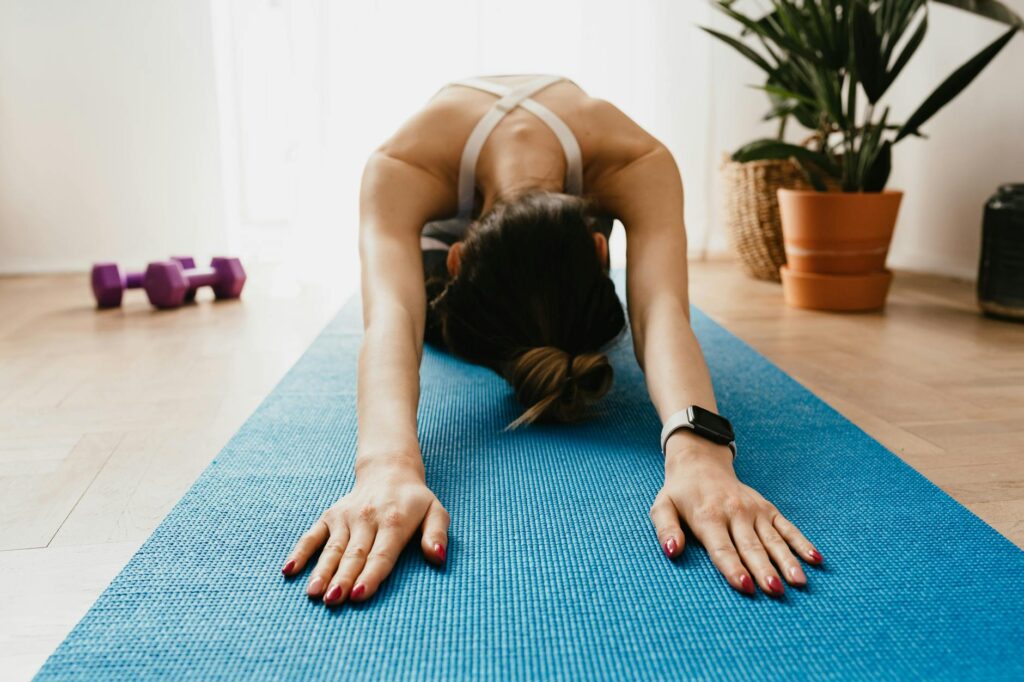
Easy Home Workout Routines for Beginners
So, you’ve decided it’s time to get moving, but the thought of a crowded gym or complicated equipment feels… well, not so easy? I get it. When I first started my fitness journey, the idea of complex routines was intimidating. But here’s a secret: you don’t need a fancy gym or hours of your day to see real results. Easy home workout routines for beginners are your secret weapon to building a healthier you, right from your living room. This guide is packed with practical, no-nonsense advice to get you started safely and effectively. (Source: cdc.gov)
Important: Always consult with your doctor before beginning any new exercise program, especially if you have pre-existing health conditions.
This isn’t about chasing a perfect physique overnight; it’s about building sustainable habits that boost your energy, improve your mood, and strengthen your body. Think of it as investing in your future self, one simple movement at a time. Ready to ditch the excuses and embrace a stronger, healthier you?
What are the easiest home workout routines for beginners?
The easiest home workout routines for beginners focus on fundamental movements that use your body weight and require minimal space. These often include exercises like squats, lunges, push-ups (modified on knees if needed), planks, and glute bridges. The key is simplicity and proper form over intensity. For instance, a basic routine might involve 3 sets of 10-12 repetitions for each exercise, with short rest periods in between. This approach allows your body to adapt gradually, reducing the risk of injury and building confidence as you progress.
The beauty of these routines is their adaptability. You can perform them almost anywhere – your living room, bedroom, even a hotel room if you’re traveling. They require no special equipment, making them incredibly accessible. We’ll break down some specific moves and how to string them together into a consistent habit.
How can I create a beginner workout plan at home?
Creating your own beginner workout plan at home is simpler than you might think. Start by deciding how many days a week you can realistically commit to exercise – aim for 3-4 days to begin. Then, select a few key exercises that target major muscle groups: lower body (squats, lunges), upper body (push-ups, rows if you have bands), core (plank, crunches), and perhaps a little cardio (jumping jacks, high knees). Aim for a balanced workout that hits different parts of your body throughout the week.
Structure your workouts. A common approach is a full-body routine performed each session. For example, on Monday, Wednesday, and Friday, you could do squats, push-ups, lunges, planks, and glute bridges. Focus on performing 2-3 sets of 8-12 repetitions for most exercises. For planks, aim to hold for 20-30 seconds. Remember to include a 5-10 minute warm-up (light cardio like jogging in place, dynamic stretches) before and a 5-10 minute cool-down (static stretches) after each session.
Progression is key. Once an exercise feels too easy, you can increase the repetitions, add another set, reduce rest time, or move to a slightly more challenging variation. For instance, moving from knee push-ups to standard push-ups, or from a 30-second plank to a 45-second plank. Consistency is more important than intensity when you’re starting out.
Benefits of Regular Home Exercise for Beginners
The benefits of sticking with regular home exercise, even beginner routines, are profound and extend far beyond just physical changes. You’ll likely notice an immediate boost in your mood and energy levels. Exercise releases endorphins, which are natural mood lifters, helping to combat stress and anxiety. Over time, you’ll build cardiovascular health, strengthening your heart and lungs, which can reduce your risk of chronic diseases like heart disease and type 2 diabetes. As reported by the Centers for Disease Control and Prevention (CDC) in 2026, regular physical activity remains essential for maintaining overall health.
The CDC recommends at least 150 minutes of moderate-intensity aerobic activity or 75 minutes of vigorous-intensity aerobic activity per week, plus muscle-strengthening activities at least two days a week. Home workouts can easily help you meet these guidelines. (Source: CDC)
Beyond the heart, your muscles and bones will get stronger. This improved strength supports daily activities, makes you less prone to falls and injuries, and can help manage conditions like arthritis. Improved sleep quality is another major perk – regular exercise often leads to falling asleep faster and enjoying deeper, more restful sleep. Plus, achieving small fitness goals at home builds incredible self-confidence and a sense of accomplishment. The accessibility of home workouts means that even with busy schedules or limited mobility, individuals can find ways to incorporate movement, as highlighted by recent public health initiatives promoting physical activity for all ages.
Beginner Bodyweight Exercises to Do at Home
Let’s dive into some specific, effective beginner bodyweight exercises you can do right now:
- Squats: Stand with feet shoulder-width apart. Lower your hips as if sitting back into a chair, keeping your chest up and back straight. Go as low as comfortable, then push back up through your heels.
- Lunges: Step forward with one leg, lowering your hips until both knees are bent at about a 90-degree angle. Ensure your front knee is directly above your ankle and your back knee hovers just off the floor. Push off your front foot to return to the start. Alternate legs.
- Push-ups (on knees): Start on your hands and knees, hands slightly wider than shoulder-width. Lower your chest towards the floor, keeping your back straight. Push back up. This is a fantastic way to build upper body strength without the full challenge of a standard push-up.
- Plank: Position yourself on your forearms and toes, keeping your body in a straight line from head to heels. Engage your core and hold. Aim to hold for 20-30 seconds initially, gradually increasing the duration as you get stronger.
- Glute Bridges: Lie on your back with knees bent and feet flat on the floor, hip-width apart. Lift your hips off the ground, squeezing your glutes at the top. Lower slowly.
- Jumping Jacks: A simple yet effective cardio move. Start with feet together and arms at your sides. Jump, spreading your feet wider than shoulder-width and bringing your arms overhead. Jump back to the starting position.
Making Home Workouts a Habit
Consistency is the cornerstone of any successful fitness routine. To make your home workouts a sustainable habit, start small and build momentum. Schedule your workouts like any other important appointment. Find a time of day that works best for you, whether it’s first thing in the morning, during a lunch break, or in the evening. Having a dedicated space, even a small corner of a room, can also help create a mental shift, signaling that it’s time to exercise. Many people find success by using fitness apps or online communities for accountability and motivation. Remember that progress isn’t always linear; some days will be easier than others. Celebrate small victories, like completing a workout you might have skipped or holding a plank for a few extra seconds. This positive reinforcement is key to long-term adherence.
Frequently Asked Questions About Home Workouts
How long should a beginner home workout be?
For beginners, aiming for 20-30 minutes of exercise per session, 3-4 times a week, is a great starting point. This duration allows for a warm-up, the main workout, and a cool-down without being overwhelming. As your fitness improves, you can gradually increase the duration or intensity.
What if I don’t have much space for a home workout?
Many effective exercises require very little space. Bodyweight movements like squats, lunges, planks, and push-ups can be done in a small area. Even cardio exercises like high knees or jumping jacks can be performed in place. Focus on the quality of your movement within the space you have.
Can I build muscle with just bodyweight exercises at home?
Yes, you can absolutely build muscle with bodyweight exercises, especially as a beginner. By focusing on proper form, increasing repetitions, adding sets, or progressing to more challenging variations (like decline push-ups or single-leg squats), you can create enough resistance to stimulate muscle growth. Combining bodyweight training with adequate protein intake and rest will support muscle development.