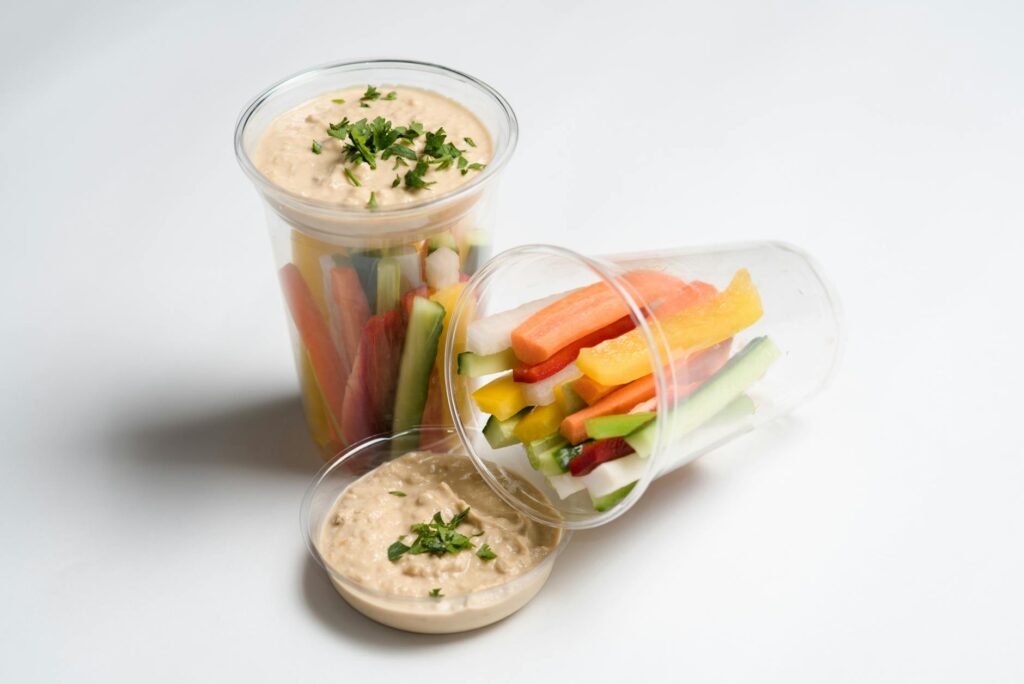
Healthy Snacks On The Go: Fuel Your 2026 Day Smartly
Feeling that mid-afternoon slump but stuck at your desk or in transit? Discovering healthy snacks on the go is essential for maintaining energy and focus without resorting to sugary junk. This guide offers practical, delicious solutions for your busiest days. (Source: myplate.gov)
Life moves fast. Between work meetings, commutes, errands, and trying to squeeze in a workout, finding time to eat a balanced meal can feel impossible. This often leads to grabbing whatever is convenient – a vending machine candy bar, a sugary pastry, or a bag of chips. Reports indicate that relying on convenience foods can lead to energy crashes and increased cravings. That’s why mastering the art of smart, portable snacking is key. After years of focusing on nutrition for busy professionals, it’s clear that a few simple strategies can make all the difference.
The good news is, you don’t need to be a gourmet chef or spend hours meal prepping to eat well when you’re out and about. It’s all about making informed choices and having a few go-to options ready. This article will equip you with everything you need to know.
Latest Update (April 2026)
Recent reports from health and wellness publications in early 2026 continue to emphasize the importance of high-protein and high-fiber snacks for sustained energy. As Verywell Health recently highlighted, dietitians are sharing their favorite high-protein options to combat midday slumps. Similarly, GQ has reported on the best high-protein snacks for hitting nutritional targets on the go. These trends underscore the ongoing demand for convenient, nutrient-dense snack solutions that support busy lifestyles and energy needs throughout the day.
What Exactly Constitutes a Healthy Snack?
Before we dive into specific ideas, let’s define what makes a snack ‘healthy.’ It’s not just about avoiding junk food. A truly healthy snack provides sustained energy and essential nutrients, acting as a mini-meal that bridges the gap between your main meals and prevents overeating later.
Key components of a healthy snack include:
- Protein: Helps you feel full and satisfied. Examples: nuts, seeds, Greek yogurt, hard-boiled eggs.
- Fiber: Aids digestion and contributes to satiety. Examples: fruits, vegetables, whole grains, legumes.
- Healthy Fats: Provide energy and support brain health. Examples: avocado, nuts, seeds.
- Complex Carbohydrates: Offer steady energy release. Examples: whole-grain crackers, oats, fruits.
Ideally, a healthy snack combines at least two of these components. For instance, apple slices with almond butter (fiber + protein + healthy fat) are far more satisfying and energizing than an apple alone. Experts recommend aiming for snacks that offer a balance, such as protein and fiber, to keep you fuller for longer.
Why Are Convenient Healthy Snacks So Important?
Our modern lifestyles often make planned meals difficult. Without accessible healthy options, we’re prone to impulsive, less nutritious choices. This can lead to:
- Unstable blood sugar levels, causing energy spikes and crashes.
- Increased cravings for sugar and processed foods.
- Potential overeating at main meals because you’re ravenous.
- Nutrient deficiencies if snacks are consistently empty calories.
Having healthy snacks on the go readily available means you’re in control. You can maintain stable energy levels, manage hunger effectively, and ensure your body gets the nutrients it needs throughout the day. This proactive approach supports overall well-being and productivity.
What Are the Best Portable Healthy Snacks?
The best options are shelf-stable, require minimal preparation, and are easy to eat without making a mess. Here are some top contenders, updated for 2026:
- Nuts and Seeds: Almonds, walnuts, pumpkin seeds, sunflower seeds. They are packed with protein, fiber, and healthy fats. Aim for about a quarter-cup serving. Look for unsalted or lightly salted varieties. Studies continue to highlight the benefits of daily nut consumption for heart health.
- Dried Fruit (in moderation): Raisins, apricots, figs. Great for a quick energy boost, but be mindful of natural sugars. Pair with nuts to balance it out. Opt for unsulfured and additive-free options when possible.
- Whole Fruit: Apples, bananas, oranges, pears. Nature’s perfect portable snack, providing fiber, vitamins, and natural sweetness. Consider pre-washing berries for easy grabbing.
- Nut Butter Packets: Single-serving packets of almond, peanut, or cashew butter are convenient and pair well with fruit or whole-grain crackers. Many brands now offer options with added protein or collagen for an extra boost.
- Protein Bars: Choose wisely! Look for bars with minimal added sugar (ideally under 8g), a good amount of protein (10-20g), and fiber. Brands focusing on clean ingredients are often good choices, but always check labels. Newer formulations may focus on gut health with added prebiotics.
- Jerky: Beef, turkey, or salmon jerky can be a good source of protein. Opt for low-sodium, minimally processed varieties with short ingredient lists. Look for grass-fed or sustainably sourced options.
- Roasted Chickpeas: Crunchy, satisfying, and a good source of protein and fiber. Flavored varieties are widely available now.
- Trail Mix: Create your own mix with nuts, seeds, unsweetened dried fruit, and perhaps a few dark chocolate chips. Consider adding whole-grain cereal pieces or coconut flakes for variety.
- Edamame (shelled): A great plant-based protein and fiber source. Many brands offer pre-portioned, ready-to-eat packs.
Quick & Easy Healthy Snack Ideas You Can Make Tonight
Spending a few minutes preparing snacks in advance can significantly improve your ability to make healthy choices during the week. Here are some ideas:
- Hard-Boiled Eggs: A powerhouse of protein, easy to make a batch of at the start of the week.
- Overnight Oats: Combine oats, milk (dairy or non-dairy), and chia seeds in a jar. Add fruit or a touch of sweetener in the morning.
- Veggie Sticks with Hummus: Pre-cut carrots, celery, and bell peppers and portion out hummus into small containers.
- Energy Balls: Mix oats, nut butter, chia seeds, and a binder like honey or maple syrup. Roll into balls and refrigerate.
- Yogurt Parfaits: Layer Greek yogurt with berries and a sprinkle of granola or nuts in a portable container.
Tips for Successful Snacking When Time is Tight
Making healthy snacking a habit requires a bit of planning, even on busy days.
- Keep a stocked snack drawer at work. This prevents impulse buys when hunger strikes.
- Utilize reusable snack bags or containers. Portioning ahead of time is key.
- Identify ‘snackable’ fruits and vegetables. Bananas, apples, pre-cut bell peppers, and baby carrots require minimal effort.
- Invest in a small insulated lunch bag. This allows for more perishable options like yogurt or cheese sticks.
- Hydrate! Sometimes thirst can be mistaken for hunger. Keep a water bottle handy.
Common Mistakes to Avoid with On-the-Go Snacks
Being aware of common pitfalls can help you stay on track.
- Over-reliance on bars: While convenient, many protein and granola bars are high in sugar and processed ingredients. Always read labels.
- Mindless munching: Eating while distracted can lead to overconsumption. Try to be present during snack time.
- Ignoring portion sizes: Even healthy snacks like nuts can lead to excess calorie intake if portions aren’t managed.
- Skipping protein and fiber: Snacks that are primarily simple carbohydrates will leave you feeling unsatisfied and hungry again soon.
Frequently Asked Questions About Healthy Snacks
What’s the best time to have a healthy snack?
Healthy snacks are most beneficial when eaten between meals to manage hunger and prevent overeating. Typically, this is mid-morning or mid-afternoon, about 2-3 hours after your last meal.
Are fruit snacks a healthy option?
Most commercially produced fruit snacks are high in added sugars and lack the fiber and nutrients of whole fruits. While they might offer some carbohydrates, they are generally not considered a healthy choice for sustained energy.
How much protein should be in a healthy snack?
According to recent reports, aiming for 10-20 grams of protein per snack can be ideal for satiety and energy. This range helps keep you full without being overly heavy.
Can I eat healthy snacks if I have dietary restrictions?
Absolutely. Many healthy snack options are naturally free of common allergens or can be adapted. For example, nut-free trail mixes, seed butters, and various fruits and vegetables are good alternatives.
What’s a good high-fiber snack that isn’t a bar?
As highlighted by publications like EatingWell, excellent high-fiber, high-protein snacks that aren’t bars include roasted chickpeas, edamame, a small apple with a tablespoon of nut butter, or a handful of almonds with dried apricots.
Conclusion
Fueling your day smartly with healthy snacks on the go is an achievable goal for everyone, regardless of how busy life gets. By understanding what constitutes a nutritious snack and incorporating simple, portable options into your routine, you can maintain consistent energy levels, manage hunger effectively, and support your overall health and well-being. Start by choosing a few ideas from this guide and making them a regular part of your day in 2026.