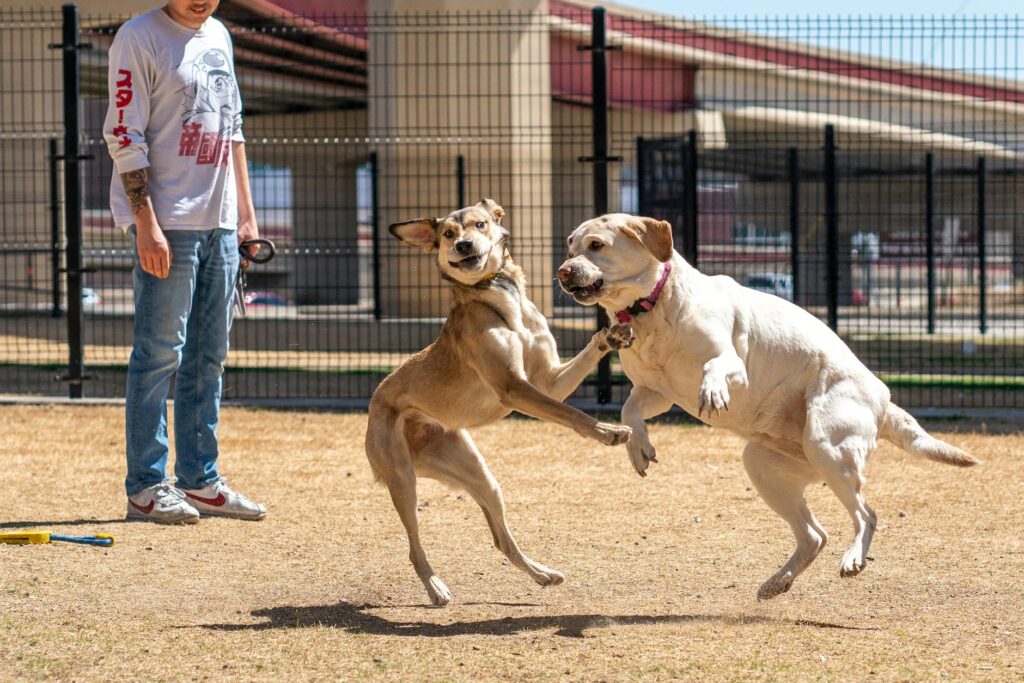
Entertain Your Dog: Avoid These Boredom Blunders
Look, we all love our dogs. They’re family. But let’s be honest, sometimes we fall into lazy habits destructive behaviors, and a generally unhappy pup. The real trick to knowing how to entertain your dog is understanding what actually works, and more importantly, what doesn’t. I’ve seen countless owners make the same few mistakes, and frankly, it breaks my heart (and their furniture).
The good news? You don’t need a PhD in canine psychology or a bottomless budget to make a difference. It’s about making smarter choices, understanding your dog’s natural instincts, and injecting a bit of creativity into your routine. We’re talking about enriching their lives, not just occupying their time. Let’s dive into the common pitfalls and how to steer clear of them.
On This Page
Mistake 1: The ‘Just Throw the Ball’ Fallacy
Here’s probably the most common one. You grab the slobbery tennis ball, head to the park, and throw it. Your dog runs, brings it back, and you repeat. Sounds like fun, right? For about ten minutes. While physical exercise is Key, it’s not the only way to entertain your dog. Relying solely on fetch means you’re missing out on engaging their brain. Think of it like this: would you be happy if your only form of entertainment was running laps? Probably not. Your dog needs variety, and that includes mental challenges.
The issue with endless fetch is that it can become repetitive and less rewarding over time. Dogs are smart. they learn the pattern quickly. They might still chase the ball because it’s their job, but the genuine excitement fades. Plus, some breeds aren’t built for high-impact retrieving. it can lead to injuries if done excessively. A good rule of thumb? Aim for a balance. If you’re going for a walk, incorporate some scent work or training drills. If you’re playing fetch, keep sessions shorter and more varied, perhaps using different types of toys or incorporating commands.
Mistake 2: Underestimating Mental Stimulation
Here’s where most owners really drop the ball—pun intended. Mental stimulation is just as vital as physical exercise, if not more so, for a dog’s overall well-being. Boredom often stems from a lack of mental engagement. When a dog’s brain isn’t challenged, they’ll find their own ways to entertain themselves, and those ways usually involve your favorite pair of shoes. Think about how tired you feel after a day of problem-solving versus a day of just walking. It’s the same for dogs.
Activities like puzzle toys, scent games, and training sessions require your dog to think, strategize, and problem-solve. This burns mental energy, leading to a calmer, more content dog. Some studies suggest that mental enrichment can be more effective than physical exercise alone in reducing stress and anxiety in dogs. For example, a simple snuffle mat, like those from brands such as West &. Wild, can turn mealtime into an engaging scavenger hunt, tapping into their natural foraging instincts.
- Reduces destructive behaviors
- Builds confidence and problem-solving skills
- Prevents boredom and associated anxiety
- Strengthens the bond between owner and dog
- Can be done indoors, regardless of weather
- Doesn’t address cognitive needs
- Can lead to overexertion and injury in some breeds
- May not prevent behavioral issues stemming from boredom
- Less effective for highly intelligent breeds needing constant engagement
🎬 Related Video
📹 How to ENTERTAIN your DOG at HOME? 🐶 5 Helpful Ideas! — Watch on YouTube
Mistake 3: Ignoring Their Natural Instincts
Dogs were bred for specific jobs: herding, guarding, hunting, retrieving. Their instincts are hardwired. When we ignore these natural drives, we create frustration. Trying to entertain your dog without considering what makes them tick is like trying to teach a fish to ride a bicycle. It’s not going to work, and it’s unfair to the dog.
For instance, a Border Collie needs a job that involves thinking and movement, like agility training or herding games. A scent hound, like a Beagle, will thrive with nose work and scent trails. Even simple things like allowing a terrier to ‘dig’ in a designated sandpit or letting a retriever ‘find’ hidden treats can be incredibly fulfilling. Understanding your dog’s breed characteristics and individual personality is key. Don’t just guess. observe them. What do they naturally gravitate towards? What activities make their tail wag with genuine enthusiasm?
Expert Tip: If you have a dog that loves to chew, don’t just give them a generic rawhide. Invest in high-quality, durable chew toys like those from Benebone. Here are designed to satisfy chewing instincts safely and can keep a dog occupied for hours, preventing them from seeking out your furniture.
Mistake 4: Over-Reliance on Passive Toys
We’ve all been there: you buy a squeaky toy, a rope toy, maybe a crinkle ball. Your dog plays with it for five minutes, then loses interest. Passive toys, while sometimes useful for a moment of distraction, rarely provide sustained engagement. They don’t require much thought or interaction from the dog. They’re the equivalent of background TV for your pup – rarely truly entertaining.
The real magic happens with interactive toys and games. Puzzle feeders, treat-dispensing balls (like the KONG Classic, stuffed with peanut butter and frozen), and even DIY scent games are far more effective. These require your dog to work for their reward, engaging their mind and body. Even a simple game of ‘find it’ where you hide treats around the house turns a passive experience into an active hunt.
[IMAGE alt=”Dog happily playing with a stuffed KONG toy” caption=”A KONG toy stuffed with treats provides a challenging and rewarding activity for a dog.”]
Mistake 5: Inconsistent Routine
Dogs thrive on predictability. While spontaneity can be fun, a lack of consistent structure in their day can lead to anxiety and boredom. If your dog never knows when they’ll get their walk, their meal, or their playtime, they’re more likely to become anxious or overly demanding. This unpredictability makes it harder to know how to entertain your dog effectively because their baseline state is already one of unease.
Establishing a consistent schedule for feeding, potty breaks, exercise, and mental stimulation provides a sense of security. It doesn’t mean every day has to be identical, but the core elements should be reliable. This consistency allows you to better gauge when your dog is genuinely bored versus when they might be seeking attention due to anxiety. A predictable routine is the foundation upon which enjoyable enrichment activities can be built.
Smart Strategies to Entertain Your Dog
So, what’s the antidote to these common blunders? It’s about a multi-faceted approach that combines physical activity, mental challenges, and instinctual fulfillment. Here are some practical, effective ways to entertain your dog:
- Puzzle Feeders and Treat Toys: As mentioned, these are gold. They make mealtime a stimulating event. Brands like West Paw offer durable, engaging options. Start with easier puzzles and gradually increase the difficulty.
- Scent Games: Hide treats around the house or yard and encourage your dog to find them. You can start simple by hiding treats under cups or bowls, or progress to creating elaborate scent trails. This taps directly into their powerful sense of smell.
- Training Sessions: Short, positive training sessions (5-10 minutes) are fantastic mental workouts. Teach new tricks, practice obedience commands, or even try fun dog sports like canine agility. The positive reinforcement method is highly effective and builds a strong bond.
- DIY Enrichment: You don’t always need fancy toys. Hide kibble in an old towel and roll it up. Stuff a cardboard box with crumpled paper and treats (remove any staples or tape first). Let them ‘dig’ in a designated sandpit or a box of shredded paper.
- Socialization (When Appropriate): Supervised playdates with well-matched canine friends or visits to a reputable doggy daycare can provide excellent social and physical stimulation. Ensure the environment is safe and the other dogs are vaccinated and well-behaved.
- Chew Time: Provide appropriate chew toys. Chewing is a natural stress reliever and can keep a dog occupied for extended periods.
[IMAGE alt=”Dog digging in a designated sandpit” caption=”Allowing a dog to engage in natural digging behaviors in a designated area can be a great form of entertainment.”]
Thing is, the best way to entertain your dog isn’t a one-size-fits-all solution. It requires observation and adaptation. What works for a high-energy Labrador might not work for a couch-loving Bulldog. Pay attention to your dog’s cues. Are they engaged? Are they frustrated? Adjust accordingly.
Honestly, the most rewarding part of engaging your dog in these activities is seeing their happy, tired face Ultimately. It’s a sign you’ve done something right — that you’ve met their needs beyond just food and shelter. It’s about building a deeper connection.
Frequently Asked Questions
How can I entertain my dog indoors without toys?
You can entertain your dog indoors using scent games, hiding treats around the house, teaching new tricks, or playing hide-and-seek with you. Even simple household items like empty cardboard boxes (ensure no tape or staples) can be filled with treats for exploration.
What are the signs my dog is bored?
Signs of a bored dog include excessive barking, destructive chewing, digging, lethargy, repetitive behaviors like tail chasing, or excessive vocalization. They might also seem restless, constantly seeking attention, or become withdrawn and depressed.
Is fetch enough to entertain my dog?
Fetch is great physical exercise but often insufficient on its own to entertain your dog. It primarily engages their body, not their mind. A balanced approach that includes mental stimulation, scent games, and training is Key for a well-rounded, happy dog.
How much mental stimulation does a dog need daily?
The amount of mental stimulation needed varies by breed, age, and individual personality. However, aim for at least 15-30 minutes of focused mental activity daily, Besides physical exercise. This could be a puzzle toy, a training session, or a scent game.
Can I use my dog’s regular kibble for enrichment?
Absolutely! Using your dog’s regular kibble for enrichment activities like puzzle feeders or scatter feeding is an excellent way to make mealtime more engaging without adding extra calories. It’s a practical and cost-effective method for mental stimulation.
The Bottom Line: A Stimulated Dog is a Happy Dog
Knowing how to entertain your dog goes far beyond just tossing a ball. It’s about understanding their needs, respecting their instincts, and actively engaging their minds. By avoiding common mistakes like over-reliance on passive play or neglecting mental challenges, you can create a richer, more fulfilling life for your canine companion. Implement these strategies, observe your dog’s reactions, and enjoy the journey of building a stronger bond through shared activities and mental engagement. Your dog will thank you for it—likely with fewer chewed shoes and a lot more happy tail wags.