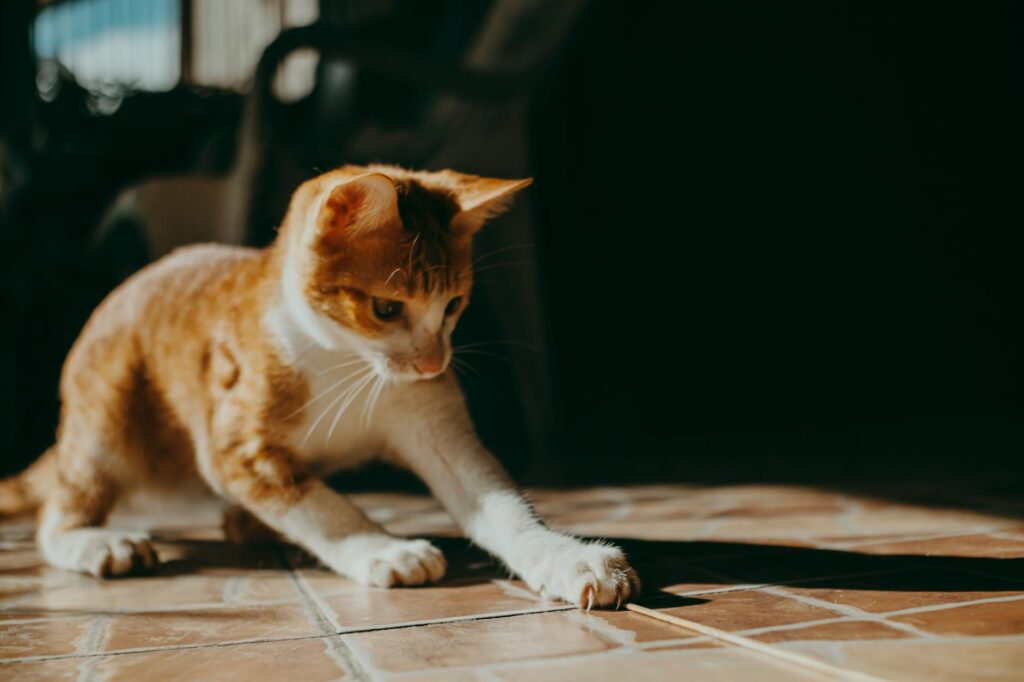
How to Entertain Cats: Playtime That Works
Look, we all love our cats. They’re fluffy, they’re funny, and they’re (usually) pretty low-maintenance. But let’s be honest, a bored cat is often a destructive cat. And nobody wants to come home to shredded furniture or a feline who’s developed a penchant for redecorating the toilet paper roll into abstract art. Knowing how to entertain cats isn’t just about keeping them busy. it’s about their mental and physical health. I’ve seen firsthand (and, okay, maybe made a few mistakes myself) what happens when a cat’s natural instincts aren’t met. So, let’s cut through the fluff and talk real strategies that actually work.
This isn’t about shoving random toys at your cat and calling it a day. It’s about understanding what makes them tick—their prey drive, their curiosity, their need for variety. We’ll look at different approaches, weigh their pros and cons, and figure out what’s best for your particular feline friend.
Table of Contents
- Why Cat Entertainment Matters
- Interactive Play: The Gold Standard
- DIY Toys for the Budget-Savvy
- Puzzle Feeders: Feeding the Brain
- Environmental Enrichment: Beyond Toys
- Common Mistakes to Avoid
- Frequently Asked Questions
Why Cat Entertainment Matters
Honestly, it boils down to a cat’s natural instincts. Domesticated or not, your kitty is a predator at heart. They’re built to stalk, chase, pounce, and ‘kill’ (their dinner, hopefully!). When these instincts are suppressed because they spend all day napping on a sunbeam with nothing to do, it can lead to a host of problems. Think stress, anxiety, obesity, and even behavioral issues like aggression or excessive grooming. Providing outlets for these natural behaviors through proper entertainment keeps them physically fit and mentally sharp. It’s about preventing problems before they start.
A study published in the Journal of Feline Medicine and Surgery highlighted how a lack of environmental enrichment can contribute to stress-related illnesses in cats. It’s not just about avoiding boredom. it’s about proactive health management. So, what does good entertainment look like?
Interactive Play: The Gold Standard
Here’s where you shine. Interactive play is anything that involves you and your cat actively participating together. Think wand toys, laser pointers (used correctly!), or even just a crinkled piece of paper you toss. This type of play is fantastic because it mimics hunting behavior more closely than solo play. You control the ‘prey,’ letting your cat stalk, chase, and capture it. Here’s Key for bonding, too – you’re not just a food dispenser. you’re a playmate!
Wand Toys: The Classic Choice
Feather wands, string toys, or even a simple piece of ribbon tied to a stick can be incredibly effective. The key is movement. Drag it, wiggle it, hide it behind furniture. Let your cat’s inner hunter take over. After a good chase, let them ‘catch’ the toy and even get a treat or praise. This provides closure to the hunt and prevents frustration.
Laser Pointers: Use with Caution
Laser pointers are captivating for cats. However, and this is a big one, they can also be frustrating because the ‘prey’ is never truly caught. If you use a laser pointer, always end the session by directing the dot onto a physical toy or a treat that your cat can catch. This prevents the endless, unsatisfying chase. Companies like PetSafe offer laser toys, but the principle remains the same: always provide a tangible reward at the end.
- Strong bonding opportunity.
- Mimics natural hunting behavior effectively.
- Provides excellent physical and mental exercise.
- Helps manage behavioral issues.
- Requires your active participation.
- Can be frustrating if not managed correctly (e.g., laser pointers).
- Some cats may become overstimulated or aggressive if play gets too intense.
I remember when I first got my cat, Luna. She was a tiny rescue, super shy. For weeks, she just hid. Then I got a cheap feather wand from a local pet store. The first time I dangled it, her eyes went wide, and she just exploded into action. Seeing her chase and pounce was a revelation. It wasn’t just about fun. it was about her coming out of her shell.
[IMAGE alt=”A person using a feather wand toy to play with a happy cat on a rug.” caption=”Interactive play with wand toys is a great way to engage your cat.”]
🎬 Related Video
📹 Lazy Trick to Entertain Your Cat — Watch on YouTube
DIY Toys for the Budget-Savvy
Let’s face it, fancy cat toys can add up. The good news? Cats often love the simplest things. You don’t need to spend a fortune to keep your feline entertained. Think outside the box—or, more accurately, inside the recycling bin!
Toilet Paper Roll Wonders
Save those cardboard tubes! Cut slits around one end, fold them in, and fill with a few kibbles. Fold the other end closed. Your cat will have a blast rolling it around and trying to get the treats out. It’s a simple puzzle feeder and a noisy, fun toy all in one.
Crinkle Balls and Paper Bags
A crumpled-up piece of paper or a small paper bag (handles removed for safety!) can provide hours of entertainment. The crinkling sound is fascinating to cats, and the unpredictable movement makes them want to chase and bat it around. Just be sure to supervise with paper bags to prevent them from getting stuck.
The Sock ‘Mouse’
Stuff an old sock with some fabric scraps or even crumpled paper, tie it off securely, and maybe add a bit of catnip. Voila! A homemade cat toy that’s perfect for batting, kicking, and carrying around. Just make sure there are no loose threads or small parts that could be a choking hazard.
Honestly, sometimes the most basic things, like a sunbeam or a cardboard box (thanks, Amazon!), are still top-tier entertainment for cats. It’s about novelty and instinct, not necessarily complexity.
Puzzle Feeders: Feeding the Brain
Here are fantastic for mental stimulation. Instead of just dumping food into a bowl, puzzle feeders require your cat to work for their meal. This taps into their natural foraging and hunting instincts. They have to bat, nudge, or manipulate the feeder to get the food out — which slows down eating and provides a rewarding challenge.
Types of Puzzle Feeders
You can find a huge variety, from simple rolling balls with holes (like the Catit Treat Ball) to more complex mazes and slow-feeder bowls. Some are designed for dry kibble, while others can be used for wet food. Brands like KONG also make excellent puzzle toys for pets, including cat-specific options that can be stuffed with treats or wet food.
Pros:
- Excellent for mental stimulation and slowing down fast eaters.
- Mimics natural foraging behavior.
- Can help prevent boredom-related behaviors.
Cons:
- Can be messy if used with wet food.
- Some cats might get frustrated and give up.
- Requires initial training and patience.
A good puzzle feeder can be a lifesaver for cats who tend to gobble their food or who need extra mental engagement. It’s a great way to make mealtime more interesting and less sedentary.
Environmental Enrichment: Beyond Toys
This is about making your cat’s living space more stimulating and engaging. It’s not just about things to play with, but about the environment itself.
Vertical Space is Key
Cats love to climb and observe from high places. Providing cat trees (like those from Trixie or Armarkat), shelves, or even just cleared spaces on top of bookcases gives them vantage points. This makes them feel secure and provides a sense of territory. Think of it as their personal kingdom!
Window Perches and Views
A window perch allows your cat to watch the world go by – birds, squirrels, people. This is a form of passive entertainment that can be surprisingly engaging. If you don’t have a good window spot, consider a sturdy cat tree placed near one. Some cats will happily spend hours just watching the outside world.
Scratching Posts and Surfaces
Scratching is a natural, essential behavior for cats. It helps them stretch, mark territory, and maintain their claws. Providing a variety of scratching surfaces—vertical posts, horizontal mats, cardboard scratchers (like those from SmartCat)—is Key. If they don’t have appropriate places to scratch, your furniture will become their chosen canvas.
Expert Tip: Rotate your cat’s toys! Don’t leave everything out all the time. Put some away for a week or two, then bring them back out. This keeps them feeling ‘new’ and exciting, much like a wild cat would encounter new ‘prey’ periodically.
Denning and Hiding Spots
Cats often feel safest when they have places to hide. This could be a simple cardboard box, a covered bed, or even a tunnel. Providing these safe havens helps them feel more secure and reduces stress, making them more likely to engage with other forms of enrichment.
Common Mistakes to Avoid
It’s easy to get this wrong. Here are a few common pitfalls:
Mistake 1: Only providing solo toys. While toys that cats can play with by themselves are useful, they don’t replace the need for interactive play and mental stimulation. Relying solely on these can lead to boredom.
Mistake 2: Inconsistent playtime. Cats thrive on routine. If you only play with them sporadically, they might not engage as readily. Aim for at least 10-15 minutes of active play, twice a day, if possible.
Mistake 3: Forcing play. If your cat isn’t in the mood, don’t force it. You’ll only create negative associations. Watch their body language—if they’re yawning, grooming, or walking away, they’re done.
Mistake 4: Not providing enough variety. The same old toys every day can get boring. Rotate toys, try new types of food puzzles, and change up the environment as much as possible.
Mistake 5: Ignoring their needs. A lethargic, overweight cat or a destructive, anxious cat is often a sign that their needs for stimulation and activity aren’t being met. Pay attention to their behavior!
What I’d recommend is observing your cat. What do they naturally gravitate towards? Do they love chasing things? Do they prefer batting at small objects? Tailor their entertainment to their personality. It’s not a one-size-fits-all situation.
The Humane Society offers a wealth of information on feline behavior and care, including tips on enrichment.
Frequently Asked Questions
How much playtime does a cat really need?
Most adult cats benefit from at least 10-15 minutes of active, interactive play sessions twice a day. Kittens and very active breeds may need more. This playtime helps fulfill their natural hunting instincts and keeps them physically fit.
What’s the best toy for a cat that loves to chase?
Wand toys with feathers or dangly bits are excellent for chase-oriented cats, as they mimic prey movement. Laser pointers, used responsibly with a physical catch at the end, can also be highly engaging for these feline hunters.
Can I entertain my cat with just toys?
While toys are important, they’re only one piece of the puzzle. Environmental enrichment, puzzle feeders, and interactive play with you’re also vital for a well-rounded entertainment routine that keeps a cat mentally and physically stimulated.
My cat ignores expensive toys. What should I do?
It’s common! Cats often prefer simple things like cardboard boxes, paper bags, or even just a crumpled piece of paper. Try rotating toys, using catnip, or observing what natural behaviors your cat enjoys most and find toys that mimic those activities.
How do I know if my cat is bored?
Signs of a bored cat include excessive sleeping, destructive behavior (scratching furniture, chewing things), over-grooming, lethargy, vocalization (meowing excessively), or even aggression. If you notice these, it’s time to ramp up their entertainment.
Bottom line: Keeping your cat entertained is an ongoing process, not a one-time fix. It requires understanding their needs, providing variety, and engaging with them actively. By incorporating interactive play, puzzle feeders, and environmental enrichment, you can ensure your feline friend lives a happy, healthy, and stimulated life. Don’t underestimate the power of a good play session—it’s good for both of you!