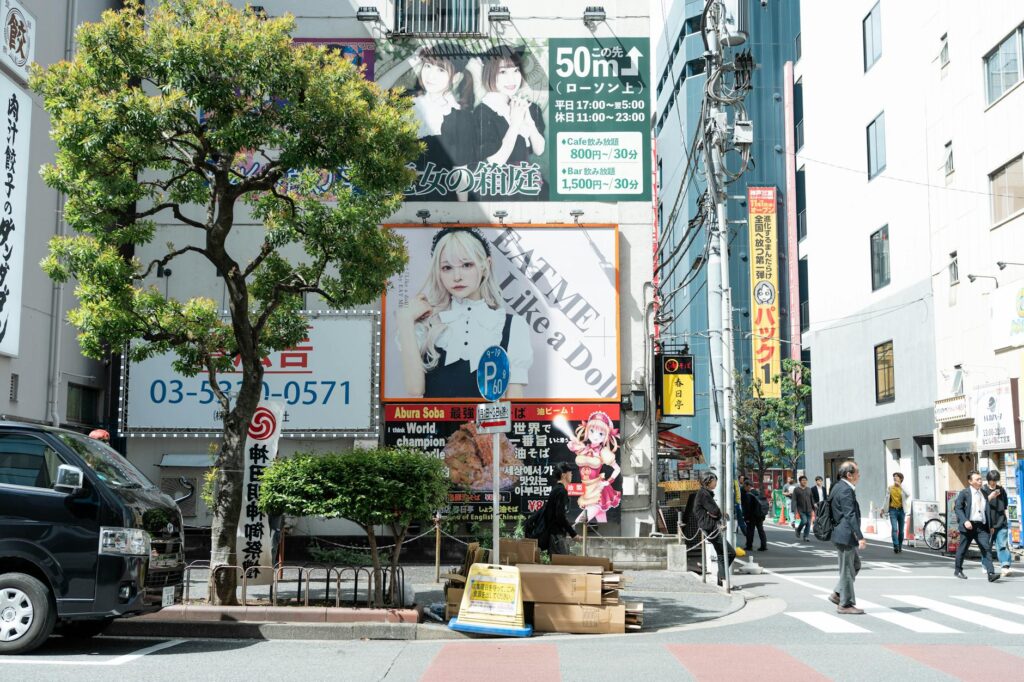
The landscape of Japanese pop culture is vast and ever-evolving, filled with unique subcultures and artistic movements. Among these, the term “doujin moe” stands out, representing a specific intersection of independent creation and a beloved aesthetic. But what exactly does “doujin moe” encompass, and why has it captured the attention of so many fans worldwide? This comprehensive guide will demystify the concept, exploring its origins, artistic characteristics, cultural impact, and how you can engage with it respectfully.
Table of Contents
What Exactly is Doujin Moe?
At its core, “doujin moe” is a descriptor for fan-made (doujin) works that feature characters embodying the “moe” aesthetic. Doujin refers to self-published works, often created by amateurs or independent circles in Japan, typically inspired by existing media like manga, anime, video games, or even original concepts. “Moe” (萌え) is a Japanese slang term that describes a strong feeling of affection, adoration, or protective instinct towards fictional characters, often characterized by cuteness, innocence, and vulnerability.
Therefore, doujin moe specifically refers to fan comics, illustrations, games, or other creative content produced by individuals or groups that center on characters designed to evoke this sense of moe. These creators draw inspiration from popular franchises or develop their own characters within this aesthetic. The appeal lies in the combination of creative freedom inherent in doujin culture and the emotionally resonant qualities of moe character design.
Think of it as a subset within the broader doujin and anime/manga fan communities. It’s where creators pour their passion into crafting characters and stories that resonate with an audience that appreciates specific visual and emotional appeals. This isn’t about mass-produced merchandise; it’s about the heart and soul of fan dedication translated into art.
Origins and Evolution: From Doujinshi to Moe
To understand doujin moe, we must first look at its parent concepts: doujinshi and the rise of the moe aesthetic. Doujinshi (同人誌) literally translates to “same person magazine” and refers to any self-published work created by a group of people with a common interest. In Japan, this practice became deeply ingrained in fan culture, particularly around major events like Comiket (Comic Market), the world’s largest doujinshi convention.
For decades, doujinshi have been a vital outlet for fans to express their creativity, producing fan fiction, fan art, parodies, and original stories. These works often explore themes or character relationships not present in the original media, offering alternative perspectives and deeper dives into beloved universes. This tradition predates the widespread internet, making physical conventions and zines the primary way fans shared their creations.
The “moe” aesthetic, while having earlier roots in cute character designs, gained significant traction and definition in the late 1990s and early 2000s. It became particularly associated with certain anime and game character archetypes – young, often innocent female characters with large eyes, expressive features, and a generally endearing demeanor. The term “moe” itself became widely adopted within otaku communities to describe this specific appeal, signifying a character that evokes strong feelings of affection and protectiveness in the viewer.
The fusion of these two elements – the independent spirit of doujinshi and the popular appeal of moe characters – naturally led to the emergence of “doujin moe.” Creators began specializing in producing doujin works that specifically catered to the moe aesthetic, often drawing inspiration from popular series but also creating original characters designed to hit those specific emotional notes. Comiket and similar events became hubs for these specialized doujin moe works, allowing creators to connect directly with their target audience.
Recent trends in the comics industry, such as the growth of independent publishing startups, highlight a broader shift towards creator-driven content. As reported by Failory, the landscape is evolving, with many focusing on niche markets and direct audience engagement. This parallels the very foundation of doujin culture, where independent creators find their footing.
The Essence of Moe Aesthetics
Understanding doujin moe requires a deeper appreciation for what defines the “moe” aesthetic. It’s more than just drawing cute characters; it’s about cultivating specific traits that elicit a strong emotional response. While subjective, several common elements contribute to a character being perceived as moe:
- Large, Expressive Eyes: Often depicted as round and sparkling, conveying innocence, emotion, and a sense of wonder.
- Soft Features: Rounded faces, small noses, and gentle smiles contribute to a non-threatening and approachable appearance.
- Youthful Appearance: Characters are typically depicted as young, sometimes even childlike, which can amplify feelings of protectiveness.
- Vulnerability and Innocence: Portrayals of shyness, naivety, or a gentle disposition often enhance the moe appeal.
- Specific Archetypes: Certain character types like the “moe librarian,” “catgirl,” or “shy girl” are frequently associated with the aesthetic.
- Unique Quirks: Small, endearing habits or personality traits can make a character particularly memorable and lovable.
It’s important to note that “moe” isn’t solely about physical appearance. A character’s personality, actions, and even their backstory can contribute significantly to their moe appeal. A character might be physically cute, but it’s their vulnerability or earnestness that truly captures the heart of the admirer.
The term itself can be quite nuanced. As seen with content like “Moe Cockroach Girls…Gokicha!” from Crunchyroll’s historical archives, the application of “moe” can extend to unexpected subjects, highlighting its flexibility as an aesthetic descriptor. This adaptability allows creators to apply the moe sensibility to a wide range of characters and themes.
In my own observation of fan art communities over the years, the dedication to refining these aesthetic elements is remarkable. Artists spend countless hours perfecting the curve of an eye or the blush on a cheek to maximize the intended emotional impact. This meticulous attention to detail is a hallmark of passionate fan creation.
Exploring Doujin Moe Genres and Themes
Doujin moe is not a monolithic entity; it encompasses a vast array of genres and themes, reflecting the diversity of the creators and the original source materials they draw from. While the moe aesthetic is the unifying thread, the narratives and settings can vary dramatically.
Common Genres Include:
- Slice of Life: Focusing on the everyday lives, friendships, and gentle interactions of moe characters.
- Romantic Comedy: Often lighthearted and sweet, exploring budding relationships with characters designed for maximum appeal.
- Fantasy/Adventure: Placing moe characters in fantastical settings, sometimes juxtaposing their innocence with grand quests or magical elements.
- Idol Culture: Centered around singers, performers, or virtual idols, often emphasizing their charm and dedication.
- School Life: Depicting the daily routines, friendships, and minor dramas of students in a school setting.
Thematic explorations can range from heartwarming stories of friendship and perseverance to more complex narratives that delve into character development. Some doujin moe works might explore themes of overcoming shyness, finding one’s place in the world, or the simple joys of shared experiences. The goal is often to create content that is emotionally resonant and satisfying for fans who connect with these specific character types.
It’s also important to acknowledge that the doujin space, by its nature, can include mature or adult themes alongside more innocent content. While the term “moe” itself typically evokes innocence, doujin works featuring moe characters might explore a wider range of narrative territory. Creators often use tags or content warnings to indicate the nature of their work, allowing consumers to make informed choices.
The Comiket survey data, even from older reports, often reveals detailed preferences of foreign visitors regarding anime and manga, highlighting the global reach and diverse tastes within the fandom. This variety directly influences the types of doujin moe content that gain popularity, as creators cater to both domestic and international audiences.
One counterintuitive insight is that the most compelling doujin moe often arises not from pure, unadulterated cuteness, but from a blend of moe traits with elements of resilience, determination, or even a touch of melancholy. This complexity adds depth and makes the characters feel more relatable beyond their aesthetic appeal.
Finding and Supporting Doujin Moe Artists
Discovering doujin moe creators and their work is an integral part of engaging with this subculture. The internet has revolutionized how doujinshi are found and distributed, moving beyond solely relying on physical events.
Key Platforms and Methods:
- Online Marketplaces: Sites like Booth.pm (a popular Japanese platform for doujin works), DLsite, and Etsy (for international artists) are primary venues for purchasing digital and physical doujinshi.
- Artist Social Media: Twitter (X) is a major hub for doujin artists to share previews, announce new works, and interact with fans. Artists often use specific hashtags related to their fandoms or the moe aesthetic.
- Patreon and Pixiv Fanbox: These crowdfunding platforms allow fans to directly support their favorite artists through monthly subscriptions, often gaining access to exclusive content, early previews, or behind-the-scenes material. Pixiv is a Japanese online community for artists, particularly popular for manga and anime-style illustrations, and its Fanbox feature is a common support channel.
- Doujinshi Conventions: Major events like Comiket in Japan, or smaller regional conventions abroad, remain crucial for discovering new artists and purchasing physical copies directly from creators.
- Online Communities and Forums: Dedicated forums, Reddit communities (e.g., r/doujinshi, r/moe), and Discord servers can be excellent places to find recommendations and discussions about doujin moe works.
When you find an artist whose work you enjoy, the most impactful way to support them is through direct purchase or subscription. This provides them with the financial means to continue creating. Sharing their work (with proper credit and adherence to their sharing policies) can also help increase their visibility.
It’s worth noting that supporting artists often means buying their work. While sharing is appreciated, direct financial support is what sustains independent creators. This is a key aspect of the modern creator economy, where fans play a direct role in enabling artistic production.
A common mistake people make is assuming all doujin works are free. While some artists may offer free samples or older works, the effort and resources that go into creating doujinshi warrant compensation, and most creators rely on sales for their livelihood.
| Support Method | Description | Impact on Artist |
|---|---|---|
| Direct Purchase (Digital/Physical) | Buying doujinshi via platforms like Booth.pm, DLsite, or artist stores. | Provides direct income, covers production costs. |
| Subscription Services (Patreon, Fanbox) | Monthly pledges for exclusive content, early access, or community features. | Offers stable, recurring income, fostering long-term creation. |
| Merchandise Purchase | Buying goods like keychains, posters, or apparel featuring artist’s characters. | Additional income stream, helps promote artist’s brand. |
| Commissioning Art | Requesting custom artwork from an artist. | Provides significant income for specific projects, often at higher price points. |
| Sharing & Promotion | Recommending artists, sharing their work (with credit). | Increases visibility and potential reach, though not direct income. |
Navigating the Doujin Moe Scene Safely
Engaging with any fan-created content, especially online, requires a degree of caution and awareness. The doujin moe scene is no exception. Understanding how to navigate it safely ensures a positive experience for both the consumer and the creator.
Key Considerations for Safety and Ethics:
- Understand Content Warnings: Many doujin works, particularly those with mature themes, will carry content warnings (CW) or trigger warnings (TW). Always pay attention to these and heed them if you are sensitive to certain topics.
- Source Verification: When possible, purchase from official artist channels or reputable platforms. Be wary of unofficial uploads or sites that distribute content without the creator’s permission, as these are often illegal and exploit artists.
- Respect Creator Boundaries: Artists often have specific rules regarding the sharing, modification, or use of their work. Always check their policies, especially if you plan to share their art or use it in any capacity.
- Age Appropriateness: Be mindful of age restrictions. Many doujin works are intended for mature audiences. Ensure you are legally permitted to access and view such content in your region.
- Copyright and Fair Use: Remember that doujin works are derivative or original creations of individuals. While doujin culture thrives on inspiration, respecting intellectual property and avoiding outright plagiarism or unauthorized commercialization is crucial.
The existence of “Doujin Classics: Mofuya Defence (PC)” and “Yatagarasu available to buy today” from sources like Rice Digital indicates a long history of niche doujin game releases. This longevity underscores the importance of platforms that facilitate legitimate access and support for these independent creations.
When I first started exploring doujinshi years ago, I learned the hard way about the importance of checking artist profiles for sharing guidelines. I once shared a fanart piece without realizing the artist had a strict policy against reposting, which led to an uncomfortable but necessary correction. It taught me to always look for the fine print.
Another aspect of safe navigation involves understanding the different types of doujin works. Some are purely fanart collections, while others are full visual novels or manga. Knowing what you’re getting into helps manage expectations and ensures you find content that aligns with your interests and comfort levels.
Frequently Asked Questions
What is the difference between doujin and manga?
Manga refers to professionally published Japanese comics, often serialized in magazines and later collected into volumes by major publishers. Doujin, or doujinshi, are self-published works created by individuals or fan circles, typically inspired by existing media or original concepts. Doujin are not professionally distributed through mainstream channels.
Is moe only about cute girls?
While moe is most commonly associated with cute, innocent young female characters, the term can be applied more broadly. It describes a strong feeling of affection and protectiveness towards any character that evokes such feelings, regardless of gender or age, though its primary association remains with conventionally cute female archetypes.
Can I create my own doujin moe content?
Absolutely. Doujin culture is fundamentally about fan creativity. You can create your own illustrations, stories, or games inspired by existing works or develop entirely original characters and universes within the moe aesthetic. The key is self-publishing and sharing your passion.
Where can I buy doujin moe works legally?
Legally purchasing doujin moe works is best done through official artist channels. Popular platforms include Booth.pm, DLsite, and artist-specific pages on sites like Pixiv Fanbox or Patreon. Attending doujin conventions like Comiket also provides direct access to creators.
Is doujin moe always appropriate for all ages?
No, doujin moe content varies widely. While many works focus on wholesome themes and cute characters suitable for all ages, the doujin space also includes content intended for mature audiences. Always check for content warnings and artist guidelines before accessing or purchasing material.
Conclusion: Embracing the World of Doujin Moe
Doujin moe represents a vibrant and passionate corner of fan culture, where independent creators channel their admiration for beloved characters and aesthetics into original works. It’s a testament to the power of fan dedication, offering unique artistic expressions that resonate deeply with a dedicated audience. From the intricate character designs to the heartfelt narratives, doujin moe provides a rich landscape for exploration.
By understanding its roots in doujinshi culture and the nuances of the moe aesthetic, you can better appreciate the creativity involved. Whether you’re discovering new artists on platforms like Pixiv and Booth, supporting creators through subscriptions, or attending conventions, engaging with doujin moe can be a rewarding experience. Remember to always approach this world with respect for the artists, awareness of content warnings, and a commitment to legal and ethical consumption. The journey into doujin moe is one of shared passion and creative expression.