What Wax? Your Essential Guide to Types and Uses
Ever found yourself staring at a shelf, wondering, “What wax should I use for this?” It’s a question that pops up whether you’re a seasoned crafter or just dipping your toes into DIY projects. From creating the perfect candle to formulating your own skincare, the type of wax you choose makes a huge difference. I’ve spent years experimenting with different waxes, and let me tell you, understanding their properties is key to success. This guide will demystify the world of waxes, helping you pick the right one every time, with insights relevant for 2026.
Contents
- Understanding Wax: More Than Just a Solid
- Popular Wax Types and Their Unique Traits
- Beeswax: Nature’s Golden Wonder
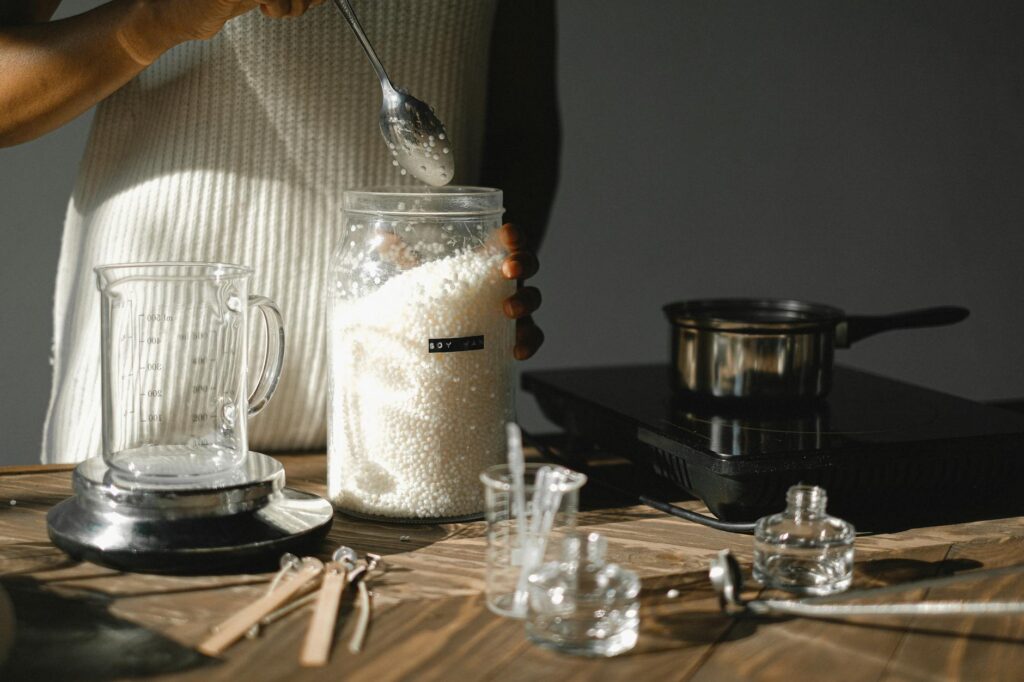
- Soy Wax: The Eco-Friendly Favorite
- Paraffin Wax: The Traditional Choice
- Other Waxes to Consider
- Choosing the Right Wax for Your Project
- Practical Wax Working Tips
- Frequently Asked Questions About Wax
Understanding Wax: More Than Just a Solid
At its core, wax is a versatile organic compound, typically a solid at room temperature but easily melted when heated. This unique characteristic makes it incredibly useful. Waxes can be derived from plants (like soy or carnauba), animals (like beeswax or lanolin), or petroleum (like paraffin). Each source imparts different properties – melting point, scent throw, texture, color, and even environmental impact. Understanding these fundamental differences is the first step in answering, “What wax is best?”
Popular Wax Types and Their Unique Traits
The world of wax is vast, but a few stand out for their popularity and versatility. We’ll dive into the most common ones you’ll encounter, exploring what makes each special and where it shines. My own journey into crafting involved a lot of trial and error with these, so I can attest to their distinct personalities.
Beeswax: Nature’s Golden Wonder
Beeswax is one of the oldest natural waxes used by humans, harvested from the honeycombs of bees. It has a distinct, pleasant honey-like aroma and a beautiful golden hue. When I first started working with it, I was amazed by its natural sweetness and the subtle scent it imparted to candles.
Properties: Beeswax has a higher melting point than many other natural waxes, typically around 144-149°F (62-65°C). This makes it excellent for pillar candles that hold their shape well.
Uses:
- Candle Making: Produces a bright, clean flame and a subtle scent. It’s great for taper candles and decorative pieces.
- Cosmetics: Its emollient properties make it a staple in lip balms, lotions, salves, and creams, helping to lock in moisture.
- Wood Polishes: Adds a protective sheen and seals wood surfaces.
- Food Wraps: Used to create reusable food wraps.
Important: True 100% beeswax can be expensive and sometimes difficult to find in pure form. Be wary of blends that are significantly cheaper. Look for reputable suppliers.
Soy Wax: The Eco-Friendly Favorite
Soy wax, derived from soybean oil, has surged in popularity over the last decade, largely due to its eco-friendly profile. It’s a renewable resource, biodegradable, and burns cleaner than paraffin. For anyone asking “What wax is sustainable?” soy is often the go-to answer. As of 2026, the demand for plant-based and sustainable materials continues to grow, solidifying soy’s position in the market.
Properties: Soy wax generally has a lower melt point than beeswax, usually between 115-125°F (46-52°C), making it softer and ideal for container candles. It has excellent scent throw, meaning it holds and releases fragrance oils beautifully.
Uses:
- Container Candles: Its creamy appearance and good scent throw make it perfect for jar candles.
- Wax Melts: Holds fragrance well and melts easily.
- Lotion Candles: Some formulations can be used in candles designed to be melted and poured onto skin (ensure it’s specifically formulated for this!).
Paraffin Wax: The Traditional Choice
Paraffin wax is a byproduct of petroleum refining and has been a staple in the candle and wax industry for a long time. It’s readily available, cost-effective, and offers excellent color and fragrance stability. While some consumers seek alternatives, paraffin remains a significant player due to its performance characteristics and affordability.
Properties: Paraffin has a wide range of melt points, allowing for versatility. Higher melt point paraffin is good for pillar candles, while lower melt point versions work for votives and containers. It generally burns hotter and faster than soy or beeswax.
Uses:
- Candles: Very common in votives, pillars, and container candles due to its cost and performance.
- Coating: Used for coating paper cups and food packaging.
- Industrial Uses: Found in polishes, crayons, and electrical insulation.
When working with paraffin for candles, especially pillars, adding a small percentage of stearic acid (around 1-3%) can improve hardness, opacity, and reduce shrinkage, leading to a smoother finish. I found this trick significantly reduced surface imperfections in my early pillar candle experiments.
Other Waxes to Consider
Beyond the big three, several other waxes offer unique benefits:
- Coconut Wax: Extremely popular for its creamy texture, excellent scent throw, and clean burn. It’s often blended with other waxes like soy or beeswax for optimal performance. It has a very low melting point, making it best suited for container candles. Blends with coconut wax are increasingly sought after for their luxurious feel.
- Palm Wax: Known for creating beautiful crystalline patterns on the surface of candles. It’s a harder wax, good for pillars, but its sustainability is a significant concern. Source it responsibly from RSPO-certified suppliers if you choose to use it. Research into sustainable palm wax alternatives is ongoing in 2026.
- Carnauba Wax: A hard, high-melt-point plant-based wax derived from palm leaves. It’s often used in small amounts as a hardening additive in other waxes, particularly for polishes and cosmetics.
- Soy-Palm Blends: These offer a balance of benefits from both waxes, often providing good scent throw and a smooth finish for container candles.
- Rapeseed (Canola) Wax: Gaining traction as another sustainable, plant-based option, particularly in Europe. It offers a good scent throw and a smooth finish, often used in container candles and wax melts.
Choosing the Right Wax for Your Project
So, to answer the initial question, “What wax should I use?” it depends entirely on your project goals:
- For pillar candles that need to stand alone: Beeswax or a harder paraffin blend with stearic acid is ideal due to their higher melting points.
- For container candles: Soy wax, coconut wax, or blends are excellent choices, offering great scent throw and a smooth finish.
- For lotions, balms, and salves: Beeswax is a classic choice for its thickening and protective properties.
- For eco-conscious projects: Soy, coconut, or rapeseed wax are strong contenders.
Consider the desired melt point, scent throw capability, burn characteristics (cleanliness, speed), and your commitment to sustainability when making your decision.
Practical Wax Working Tips
Working with wax requires attention to detail. Here are a few tips from my experience:
- Temperature Control: Always pay close attention to the recommended pouring temperatures for your specific wax. Too hot and you can get sinkholes or frosting; too cool and you’ll have adhesion issues or an uneven surface.
- Wick Selection: The wick is as important as the wax. Ensure you’re using the correct wick size and type for your container diameter and wax type to achieve a clean, even burn.
- Testing: Always perform test burns for new candle recipes. This helps you identify any issues with the wick, scent throw, or surface appearance before making a large batch.
- Storage: Store waxes in a cool, dry place away from direct sunlight to maintain their quality.
Frequently Asked Questions About Wax
Q1: What is the best wax for beginners?
For beginners, soy wax or a soy-coconut blend is often recommended. They are forgiving, have good scent throw, and are relatively easy to work with for container candles and wax melts.
Q2: Can I mix different types of wax?
Yes, you can often mix waxes to achieve desired properties. For example, adding a small amount of beeswax to soy wax can increase its hardness and melting point, making it suitable for some pillar applications. Always test your blends.
Q3: How do I get rid of excess wax?
For most waxes (especially soy and paraffin), the safest method is to gently melt the excess wax in a double boiler and pour it into a disposable container for disposal. Never pour melted wax down the drain, as it can solidify and cause clogs. For hardened wax, you can often scrape it away once cooled.
Q4: What are the newest developments in candle wax technology as of 2026?
Recent innovations focus on sustainability and enhanced performance. We’re seeing more advanced plant-based waxes with improved temperature stability and scent throw, as well as hybrid waxes designed for specific applications like advanced wax melts or eco-friendly pillar candles. Biodegradable and compostable wax formulations are also gaining traction.