
Data Privacy Trends You Need to Know Now
The digital world is a double-edged sword. While it connects us and offers incredible convenience, it also collects vast amounts of our personal information. Staying ahead of data privacy trends isn’t just for tech giants or governments anymore; it’s essential for everyone. In 2026, we’re seeing a significant acceleration in how data is used, protected, and regulated. I’ve spent years tracking these shifts, and frankly, the pace is astonishing.
From AI’s insatiable appetite for data to the ever-expanding Internet of Things (IoT), new challenges and opportunities for data privacy emerge daily. This post will cut through the noise, highlighting the most impactful trends and offering practical advice for individuals and businesses alike.
What are the most significant data privacy trends for 2026?
The primary question on everyone’s mind is: what’s changing and how will it affect me? The most significant data privacy trends for 2026 revolve around stricter regulations, the pervasive influence of AI, increased focus on sensitive data types like biometrics, and the growing complexity of cross-border data transfers.
“By 2025, over 75% of the world’s population will have had its personal data covered by some form of privacy regulation, up from roughly 10% in 2020.” – Gartner
These trends aren’t isolated; they interact and amplify each other, creating a dynamic environment that demands constant vigilance.
How are regulations like GDPR and CCPA evolving?
Global privacy regulations continue to mature and, in many cases, become more stringent. The General Data Protection Regulation (GDPR) in Europe remains a benchmark, influencing laws worldwide. In 2026, we’re seeing increased enforcement actions and higher fines for non-compliance, making it a critical consideration for any organization handling EU residents’ data.
Similarly, the California Consumer Privacy Act (CCPA), and its successor the California Privacy Rights Act (CPRA), are setting a precedent in the US. Expect more states to follow California’s lead with comprehensive privacy laws. Enforcement efforts are ramping up, focusing on areas like data subject access requests and opt-out rights for the sale of personal information.
I remember a client in 2024 who underestimated CCPA enforcement. They faced a significant penalty because they hadn’t properly implemented opt-out mechanisms. It was a stark reminder that these laws have teeth.
Key regulatory shifts to watch:
- Increased cross-border data transfer restrictions and new adequacy decisions.
- Stricter rules around consent for data processing, especially for sensitive data.
- Enhanced individual rights, including the right to erasure and data portability.
- Greater accountability for data processors, not just controllers.
What are the biggest data privacy challenges with AI?
Artificial Intelligence (AI) presents a complex landscape for data privacy. AI systems often require massive datasets for training, raising concerns about how this data is collected, anonymized, and used. The potential for AI to infer sensitive information from seemingly innocuous data is also a growing worry.
One of the biggest challenges is the ‘black box’ nature of some AI algorithms. It can be difficult to explain *why* an AI made a particular decision, which conflicts with data privacy principles requiring transparency and explainability. For instance, AI used in hiring processes could inadvertently discriminate based on biased training data.
For businesses, this means scrutinizing AI vendors, implementing robust data governance for AI training data, and developing policies for ethical AI deployment. For individuals, it means being aware that AI might be learning more about you than you realize.
How is IoT impacting personal data security?
The Internet of Things (IoT) continues its relentless expansion, with smart homes, wearables, and connected devices becoming commonplace. Each connected device is a potential data collection point, often gathering highly personal information – from your sleep patterns and heart rate to your conversations via smart speakers.
The primary privacy challenge with IoT is often weak default security settings and a lack of regular security updates from manufacturers. Many devices are designed with functionality prioritized over security, leaving them vulnerable to breaches. In my home, I’ve consciously chosen smart devices from reputable brands known for their security practices, and I’ve changed all default passwords.
Consumers need to be vigilant about the permissions granted to IoT devices and the data they collect. Businesses developing or deploying IoT solutions must prioritize security and privacy from the design phase, implementing encryption and secure authentication protocols.
What are the considerations for biometric data privacy?
Biometric data – fingerprints, facial scans, voiceprints, iris patterns – is inherently sensitive because it’s unique to an individual and immutable. Unlike a password, you can’t change your fingerprint if it’s compromised.
The increasing use of biometrics for authentication (unlocking phones, accessing buildings) and identification raises significant privacy concerns. Who owns this data? How is it stored? How is it protected against unauthorized access or misuse? In 2026, we’re seeing more regulations specifically addressing biometric data, recognizing its unique risks.
For example, Illinois’ Biometric Information Privacy Act (BIPA) has led to significant litigation, highlighting the legal risks associated with mishandling biometric data. Companies must ensure they have explicit consent for collecting and processing biometric data, clear retention policies, and robust security measures.
What are the practical tips for enhancing your data privacy?
Navigating these complex data privacy trends can feel overwhelming, but there are concrete steps you can take. Whether you’re an individual protecting your personal information or a business aiming for compliance, proactive measures are key.
For Individuals:
- Review App Permissions: Regularly check the permissions granted to your smartphone apps. Does that flashlight app really need access to your contacts and location?
- Use Strong, Unique Passwords: Employ a password manager to create and store complex passwords for different accounts. Enable Two-Factor Authentication (2FA) wherever possible.
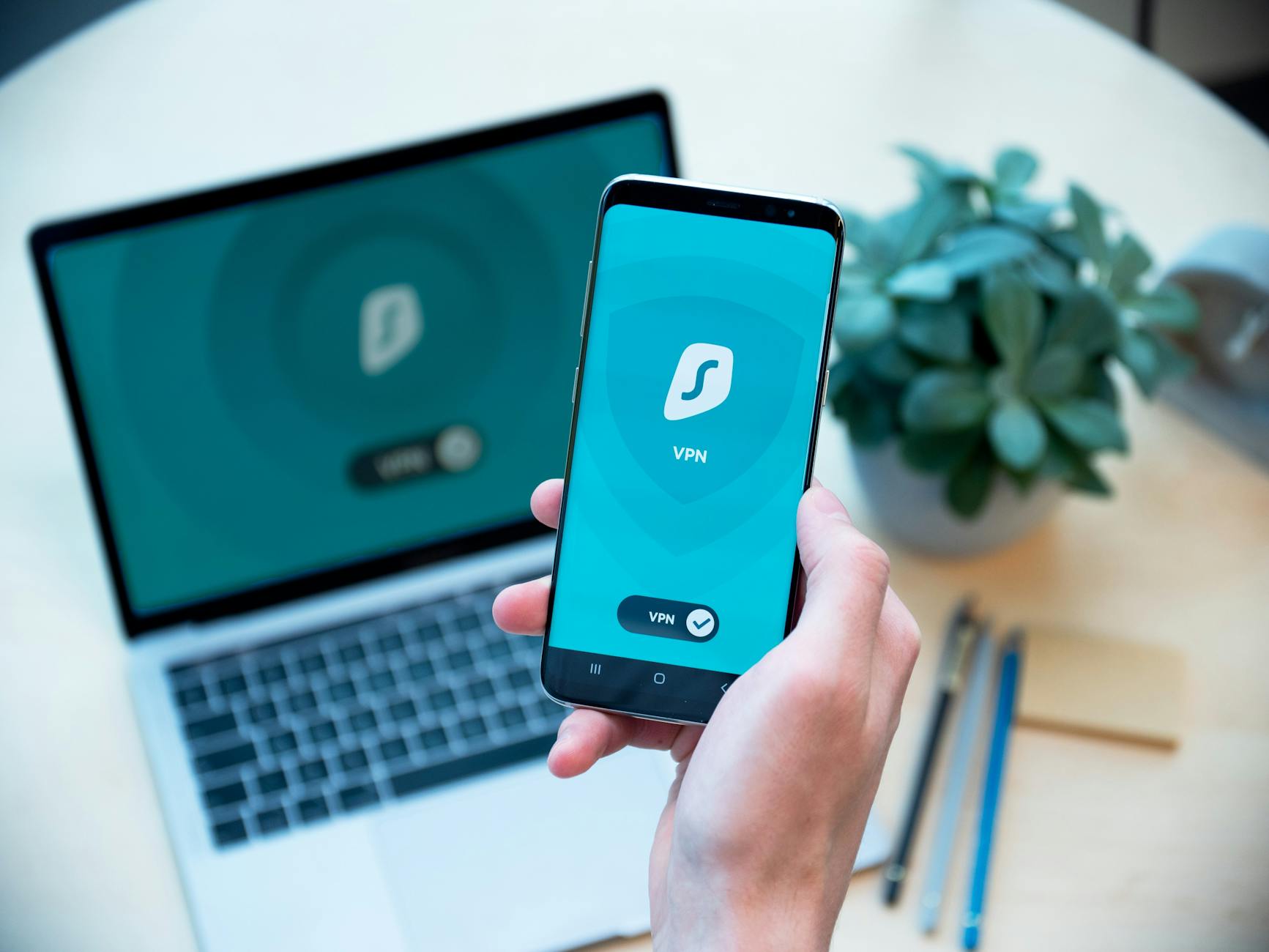
- Be Mindful of Public Wi-Fi: Avoid accessing sensitive accounts or transmitting personal data over unsecured public Wi-Fi networks. Use a VPN if necessary.
- Limit Social Media Sharing: Be conscious of what personal information you share publicly on social media platforms. Adjust privacy settings regularly.
- Understand Data Policies: Take a few minutes to skim the privacy policies of services you use. Look for how your data is collected and shared.
For Businesses:
- Conduct Regular Privacy Audits: Assess your data handling practices to ensure compliance with relevant regulations.
- Implement Privacy by Design: Integrate privacy considerations into the development of new products and services from the outset.
- Train Your Employees: Educate staff on data privacy best practices, security protocols, and their responsibilities.
- Minimize Data Collection: Only collect the data you absolutely need for a specific purpose and delete it when it’s no longer required.
- Secure Your Data: Employ strong encryption, access controls, and regular security updates to protect stored data.
Common Mistakes to Avoid in Data Privacy
One common mistake I see individuals make is assuming that if a company has a privacy policy, their data is automatically safe. This isn’t true. A policy is just a statement; actual practices matter more. Always look for evidence of strong security measures and transparent data handling.
For businesses, a frequent error is treating privacy compliance as a purely legal or IT issue. It needs to be a company-wide cultural shift, involving marketing, sales, HR, and product development. Siloed approaches lead to gaps and potential violations. For example, a marketing team might inadvertently collect more data than is permissible if not aligned with the privacy team’s guidelines.
How can I learn more about staying protected?
Staying informed is your best defense. Reputable sources like government privacy watchdogs and established consumer protection agencies offer valuable insights and updates. For instance, the U.S. Federal Trade Commission (FTC) regularly publishes guidance on privacy and data security best practices.
Consider subscribing to newsletters from trusted cybersecurity firms or privacy advocacy groups. My own journey in understanding these changes involved subscribing to several industry newsletters and attending webinars. It keeps me updated on the latest threats and solutions.
Ultimately, data privacy is a shared responsibility. By understanding the evolving data privacy trends and taking proactive steps, you can better protect yourself and your organization in our increasingly data-driven world.
Frequently Asked Questions about Data Privacy Trends
What is the most significant upcoming data privacy trend?
The most significant upcoming data privacy trend is the increasing regulation and enforcement surrounding AI-generated data and its potential for misuse. Expect stricter rules on algorithmic transparency and bias mitigation as AI becomes more integrated into daily life.
How will AI impact data privacy in 2026?
AI will significantly impact data privacy by enabling more sophisticated data analysis and inference, potentially uncovering sensitive information. This necessitates enhanced anonymization techniques and stricter controls on how AI models are trained and deployed to prevent privacy violations.
What are the key challenges of IoT privacy?
The key challenges of IoT privacy stem from the vast number of connected devices, often with poor default security, collecting extensive personal data. Managing consent, ensuring data encryption, and patching vulnerabilities across numerous devices represent major hurdles.
How can I protect my biometric data?
Protecting your biometric data involves being highly selective about which apps and services request it, understanding their data policies, and ensuring devices use strong encryption for storage. Avoid using biometrics for non-essential services whenever possible.
What is the role of data minimization in privacy?
Data minimization is a core privacy principle that involves collecting and retaining only the personal data strictly necessary for a specific, stated purpose. This reduces the risk and impact of data breaches by limiting the amount of sensitive information exposed.