Free Fitness Goal Tracking Apps: Your 2026 Guide
The urge to get healthier, stronger, or simply more active is a powerful one. But how many times have you set a goal, only to lose momentum a few weeks later? If that sounds familiar, you’re not alone. The good news is that technology offers a fantastic solution: fitness goals tracking apps, many of which are free to download and use. These digital companions can be the secret weapon you need to stay motivated, monitor your progress, and celebrate your wins, big or small.
In my own journey, I’ve tried countless apps, and the ones that truly stick are those that simplify tracking and provide clear insights. It’s not just about logging workouts; it’s about building sustainable habits. This guide will walk you through finding the best free apps to help you achieve your fitness aspirations without breaking the bank, updated for 2026.
Table of Contents:
- What Are Fitness Goals Tracking Apps?
- Why Opt for Free Fitness Goals Tracking Apps?
- Key Features to Look For in Free Apps
- Top Free Fitness Goals Tracking Apps to Consider (2026)
- Setting Effective Goals with Your App
- Common Mistakes When Tracking Fitness Goals
- Expert Tips for Maximizing Your Free App
- Frequently Asked Questions About Fitness Tracking Apps
- Start Your Journey Today
What Are Fitness Goals Tracking Apps?
Think of fitness goals tracking apps as your personal digital coach. They are software applications designed to help you log, monitor, and analyze various aspects of your health and fitness journey. This can include everything from your daily steps and workout routines to your calorie intake, sleep patterns, and hydration levels. The primary aim is to provide you with data and insights that help you understand your habits, identify areas for improvement, and stay accountable to the goals you set.
When I first started using them, I was amazed at how much information I could gather just by tapping a few buttons after a workout or meal. It turned abstract goals into concrete, measurable achievements. Today, these apps integrate more sophisticated AI for personalized feedback, making them even more powerful.
Why Opt for Free Fitness Goals Tracking Apps?
The market is flooded with apps, many of which come with hefty subscription fees. However, you can achieve remarkable results using free fitness goals tracking apps. The core functionalities most people need – logging workouts, tracking steps, monitoring water intake, and setting basic goals – are often available for free. Premium versions usually offer advanced analytics, personalized coaching, or ad-free experiences, which might be nice-to-haves but aren’t essential for many users.
For instance, in my first year of serious fitness tracking, I relied solely on free apps. I managed to lose 15 pounds and significantly improve my running endurance using just the basic features available. It proved that you don’t need to spend money to make progress. In 2026, the quality of free offerings continues to impress, with many apps providing near-premium experiences without the cost.
Important: While free apps are fantastic, be aware of their limitations. Some may have more ads, fewer customization options, or less sophisticated data analysis compared to paid versions. Always check what’s included before committing to an app.
Key Features to Look For in Free Apps
When sifting through the endless options for free fitness goals tracking apps, focus on features that align with your personal objectives. Not all apps are created equal, and understanding what to prioritize will save you time and frustration.
Essential Features:
- Workout Logging: The ability to easily record different types of exercises, duration, intensity, and any relevant metrics (e.g., weight lifted, distance covered). Look for apps that allow custom workout creation.
- Activity Tracking: Integration with your phone’s pedometer or wearable devices to automatically track steps, distance, and active minutes. Ensure compatibility with your preferred devices.
- Nutrition Tracking: A food database to log meals, track calorie intake, and monitor macronutrient breakdowns (protein, carbs, fat). A barcode scanner is a significant time-saver.
- Goal Setting: Tools to define specific, measurable, achievable, relevant, and time-bound (SMART) goals for weight, activity, or nutrition. Apps that offer progress visualization for these goals are highly beneficial.
- Progress Visualization: Charts, graphs, and summaries that show your progress over time, making it easy to see trends and improvements. Visual feedback is a powerful motivator.
Desirable Features (Often Found in Free Tiers):
- Water Intake Tracker: Simple logging for daily water consumption.
- Sleep Tracking: Basic monitoring of sleep duration and quality, often through phone sensors or wearable integration.
- Community Features: Options to connect with friends or join challenges for added motivation.
Top Free Fitness Goals Tracking Apps to Consider (2026)
Based on my experience and extensive research, here are some of the best free fitness goals tracking apps that offer robust features without a price tag:
-
MyFitnessPal:
This is a powerhouse for nutrition tracking. It boasts a massive food database, barcode scanner, and allows you to log meals quickly. It also includes workout logging and basic progress tracking. While it has a premium version, the free tier is incredibly comprehensive for managing diet and calorie goals. Its user base continues to grow, ensuring an up-to-date food database.
-
Google Fit / Apple Health:
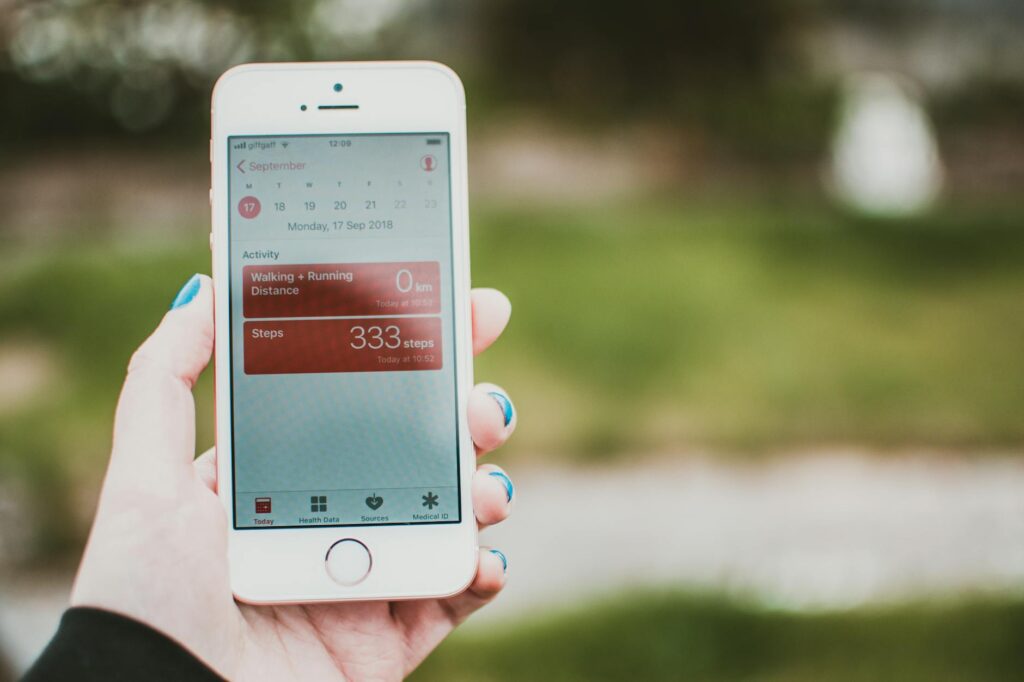
These are built directly into your smartphone’s operating system. They automatically track your steps and basic activity using your phone’s sensors. You can manually add workouts and connect many other third-party apps and wearables. They act as a central hub for your health data, which is invaluable. I use Apple Health as my primary data aggregator, and its integration capabilities are excellent in 2026.
-
Strava:
If running, cycling, or swimming is your jam, Strava is a fantastic choice. The free version allows you to track your activities using GPS, analyze your performance metrics like pace and elevation, and connect with a large community of athletes. The social aspect is a huge motivator for many. New features for segment analysis are regularly added to the free tier.
-
Fitbod (Limited Free Use):
While primarily a paid app, Fitbod offers a limited number of free workouts per month. It uses AI to generate personalized strength training routines based on your available equipment and recovery. It’s a great way to sample advanced workout generation. The AI’s ability to adapt to your progress is impressive, even in the limited free version.
-
Habitica:
This app gamifies habit building. You create an avatar and complete real-life tasks (like going for a run or drinking enough water) to earn rewards and level up. It turns fitness and health goals into an engaging role-playing game. It’s particularly effective for building consistent daily habits. The community challenges are a great addition for motivation.
-
StrongLifts 5×5:
For those focused on strength training, this app guides you through the popular 5×5 program. The free version includes all the necessary tracking for this specific routine. It simplifies progressive overload, a key principle in strength gains. The clear exercise instructions and progression tracking are excellent.
Setting Effective Goals with Your App
Choosing an app is only the first step. To truly benefit, you need to set goals effectively. Use the SMART framework: Specific, Measurable, Achievable, Relevant, and Time-bound. Instead of “get fit,” aim for “run 5k in under 30 minutes within 8 weeks.” Your chosen app should have features that support tracking progress towards these specific metrics. Regularly review your goals within the app – weekly check-ins are ideal. Adjust your goals as you progress; what was challenging a month ago might be your new baseline.
Common Mistakes When Tracking Fitness Goals
Many people stumble when tracking their fitness. A common pitfall is inconsistency – forgetting to log meals or workouts. Another is setting unrealistic goals that lead to discouragement. Over-reliance on one metric (like weight alone) without considering other health indicators (sleep, energy levels, strength gains) can also be misleading. Finally, failing to review progress or adjust goals means you’re just going through the motions without true strategic planning.
Expert Tips for Maximizing Your Free App
To get the most out of your free fitness tracking app, be diligent with logging. Make it a habit immediately after your workout or meal. Explore all the features your app offers; you might be surprised by what’s available for free. Connect your app to other compatible devices or apps to create a more holistic view of your health. Most importantly, use the data. Don’t just log; analyze your trends. If your sleep is consistently poor on days you work out late, adjust your schedule. If your calorie intake spikes on weekends, plan healthier weekend meals. The data is only valuable if you act on it.
Frequently Asked Questions About Fitness Tracking Apps
Q1: Can free fitness apps really help me achieve significant results?
Absolutely. The most effective free apps offer core functionalities like workout logging, step tracking, and nutritional analysis that are essential for progress. The key is consistency and using the data to inform your actions. Many users achieve substantial results solely with free tools.
Q2: How do I choose the right free app for my needs?
Consider your primary fitness goals. If nutrition is key, MyFitnessPal is excellent. For runners and cyclists, Strava excels. If you want a general health overview, Google Fit or Apple Health are great starting points. Read reviews, check feature lists, and try out a couple to see which interface and functionality you prefer. Ensure it integrates with any wearables you use.
Q3: Are there any privacy concerns with free fitness apps?
As with any app that collects personal data, it’s wise to review the privacy policy. Free apps often monetize through advertising or by selling anonymized data. Understand what data is collected and how it’s used. Opt for apps from reputable developers and adjust your privacy settings within the app and your device where possible.
Q4: How can I stay motivated when using a free app?
Utilize community features if available, participate in challenges, and celebrate small milestones within the app. Visualizing your progress through charts and graphs can be very motivating. Gamified apps like Habitica can also help maintain engagement. Remember why you started and revisit your goals regularly.
Start Your Journey Today
The best time to start taking control of your fitness journey was yesterday. The second-best time is now. With a plethora of excellent free fitness goals tracking apps available in 2026, there’s no financial barrier to getting started. Download an app that appeals to you, set a realistic goal, and begin logging. Your future self will thank you.