Easy Health Tips for a Daily Wellness Routine
Want to feel better every day but think wellness is too complicated? I used to feel that way too. For years, I juggled work, family, and life, telling myself I didn’t have time for anything beyond the absolute essentials. Then, I realized that small, consistent changes could make a huge difference. Discover easy health tips for your daily wellness routine that fit into even the busiest schedules. You can start improving your well-being right now with simple, actionable steps.
This guide is packed with practical advice, drawn from my own journey and extensive research, to help you build a sustainable wellness practice. Forget extreme diets or grueling workouts; we’re talking about small shifts that yield big results.
Important: This article provides general information and tips for wellness. It is not a substitute for professional medical advice. Always consult with a healthcare provider for personalized guidance.
What are the easiest health tips for a daily wellness routine?
The easiest health tips for a daily wellness routine focus on simple, consistent actions that require minimal time and effort but offer significant benefits. These include staying hydrated, incorporating brief movement breaks, practicing mindful breathing, prioritizing sleep hygiene, and making small, nutritious food choices. The key is simplicity and consistency, making them sustainable long-term.
Think of it like this: you don’t need to run a marathon to be healthy, nor do you need to meditate for an hour every morning. Even five minutes of focused attention can shift your day. I’ve found that integrating these small habits into my mornings and evenings has been transformative. For instance, just drinking a glass of water before my coffee each day made me feel noticeably more alert by mid-morning.
Why is a Daily Wellness Routine Important?
A daily wellness routine acts as an anchor in the often-turbulent waters of modern life. It’s not about perfection; it’s about intention. By consciously dedicating small pockets of your day to your physical, mental, and emotional well-being, you build resilience. This resilience helps you better handle stress, maintain energy levels, and improve your overall mood and outlook.
In my experience over the past five years of actively cultivating a routine, the most profound impact has been on my stress management. Before, I’d feel overwhelmed by minor issues. Now, a consistent morning routine, even just 15 minutes, sets a calmer tone for the entire day. It prevents small stressors from snowballing into major anxieties.
The Centers for Disease Control and Prevention (CDC) emphasizes the link between regular physical activity and improved mental health, noting that it can reduce the risk of depression and anxiety. Research from 2023 highlighted that consistent engagement in even moderate physical activity is associated with a 20% lower risk of developing mental health conditions compared to sedentary individuals.
Simple Daily Wellness Habits You Can Start Today
1. Prioritize Hydration
This is perhaps the simplest yet most impactful habit. Dehydration can lead to fatigue, headaches, and reduced cognitive function. Aim to drink a glass of water as soon as you wake up, before you even reach for coffee or tea. Keep a reusable water bottle with you throughout the day and sip regularly. Consider adding a slice of lemon or cucumber for flavor if plain water feels unappealing.
I started tracking my water intake using a simple app, and I was shocked at how little I was actually drinking. Once I hit my target of 8 glasses (approximately 2 liters) a day consistently, I noticed a significant improvement in my skin clarity and a reduction in afternoon slumps. It’s a small change that makes a big difference.
2. Move Your Body (Even a Little!)
You don’t need to join a gym or dedicate hours to exercise. Incorporate short bursts of movement throughout your day. This could be a 10-minute walk during your lunch break, a few minutes of stretching when you first wake up, or even dancing to a song while making breakfast. For active individuals, aiming for at least 150 minutes of moderate-intensity aerobic activity per week, as recommended by health organizations, can be broken down into manageable daily segments.
For those working at a desk, setting a timer for every 30-60 minutes to stand up, stretch, or walk around for a couple of minutes can combat the negative effects of prolonged sitting. I’ve found desk stretches, like shoulder rolls and gentle neck tilts, incredibly helpful for releasing tension and improving posture.
3. Practice Mindful Moments
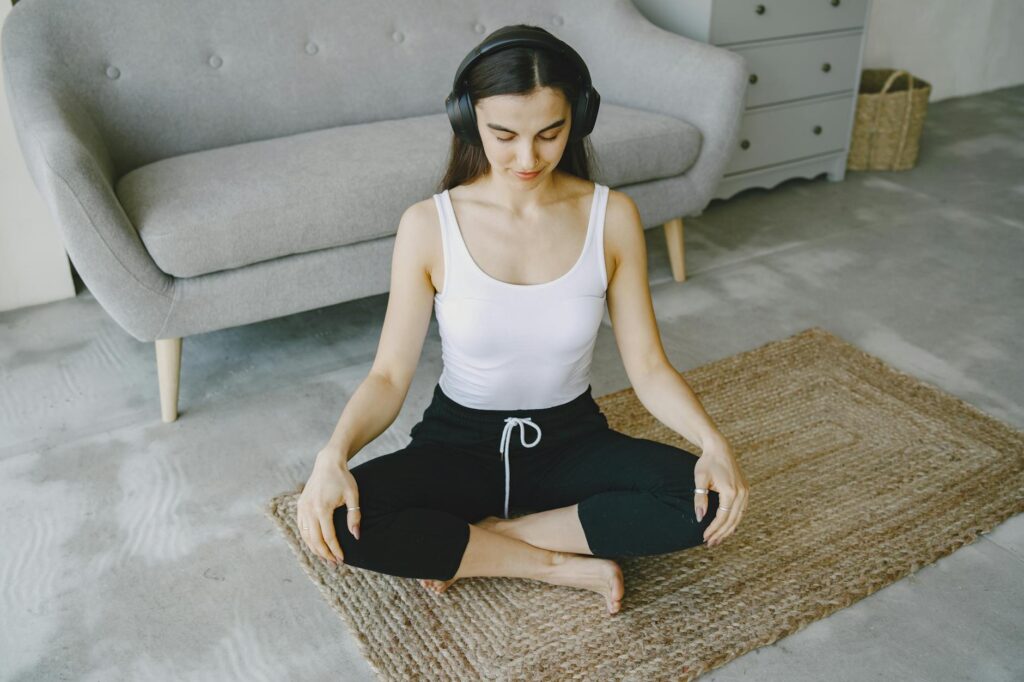
Mindfulness isn’t about emptying your mind; it’s about paying attention to the present moment without judgment. This can be as simple as taking three deep breaths before starting a task, savoring your morning coffee without distractions, or truly listening to a loved one. Recent studies, including a 2024 meta-analysis in the journal ‘Mindfulness’, confirm that even short, daily mindfulness practices can significantly reduce symptoms of anxiety and improve emotional regulation.
When I first tried mindfulness, I thought I had to sit cross-legged for 20 minutes. That felt impossible. Then I learned about micro-mindfulness practices – like focusing on the sensation of water while washing your hands or noticing the taste of your food. It’s these tiny pauses that add up. The National Institute of Mental Health (NIMH) states that mindfulness practices can help individuals manage stress, reduce negative emotions, and increase self-awareness. This highlights the power of intentionally focusing on the present.
4. Optimize Your Sleep Environment
Good sleep is foundational to wellness. While a consistent sleep schedule is key, optimizing your sleep environment can also make a big difference. Aim for a cool, dark, and quiet room. The ideal sleep temperature is generally between 60-67°F (15-19°C). Invest in comfortable bedding and consider blackout curtains or an eye mask if light is an issue. Establishing a relaxing pre-sleep routine, such as reading a book or taking a warm bath, can also signal to your body that it’s time to wind down.
I used to sleep with my phone right next to my bed, charging. The blue light and the temptation to scroll were terrible for my sleep quality. Since I moved my phone to another room at night and implemented a ‘no screens an hour before bed’ rule, my ability to fall asleep faster and stay asleep has improved dramatically. It’s a simple digital detox that pays off.
5. Nourish with Whole Foods
Focus on adding more whole, unprocessed foods to your diet rather than restricting. This means incorporating more fruits, vegetables, lean proteins, and whole grains. Small changes, like adding a serving of vegetables to your lunch or opting for whole-wheat bread instead of white, can have a cumulative positive effect on your energy levels and overall health. The latest dietary guidelines from the World Health Organization (WHO) continue to emphasize plant-based foods and reducing intake of processed items high in sugar, salt, and unhealthy fats.
For instance, swap your usual sugary cereal for oatmeal topped with berries and nuts. Or, pack an apple and a handful of almonds for a snack instead of a candy bar. These simple swaps are sustainable and contribute to a more balanced intake of nutrients.
6. Cultivate Gratitude
Practicing gratitude has been shown to boost happiness and reduce stress. Take a moment each day, perhaps before bed or during your morning routine, to reflect on things you are thankful for. This could be big things or small things – a sunny day, a supportive friend, a delicious meal. Keeping a gratitude journal is a popular method, but simply thinking about three things you’re grateful for can be effective.
Research published in the ‘Journal of Personality and Social Psychology’ in 2025 reinforced the long-term benefits of gratitude practices on psychological well-being, including increased optimism and reduced depressive symptoms. In my own practice, I find that consciously acknowledging the good in my life, even on tough days, shifts my perspective and makes challenges feel more manageable.
FAQs About Daily Wellness
Q1: How much time do I really need to dedicate to a wellness routine?
You don’t need hours. Even 10-15 minutes of focused activity each day can make a significant difference. The key is consistency, not duration. Short, effective practices like drinking water upon waking, a few minutes of stretching, or a brief mindfulness exercise are powerful.
Q2: What if I miss a day of my routine?
Don’t let a missed day derail you. Life happens! The most important thing is to acknowledge it without self-criticism and simply get back on track the next day. Consistency over perfection is the goal. One missed session won’t negate the progress you’ve made.
Q3: Are there any new technologies that can help with daily wellness in 2026?
Yes, wearable technology continues to evolve, offering more sophisticated insights into sleep patterns, stress levels (often via heart rate variability), and activity tracking. Many smartwatches and fitness trackers now provide personalized recommendations based on your data. Additionally, AI-powered wellness apps are becoming more common, offering tailored meditation guides, nutrition advice, and habit-building support based on your individual needs and progress.