
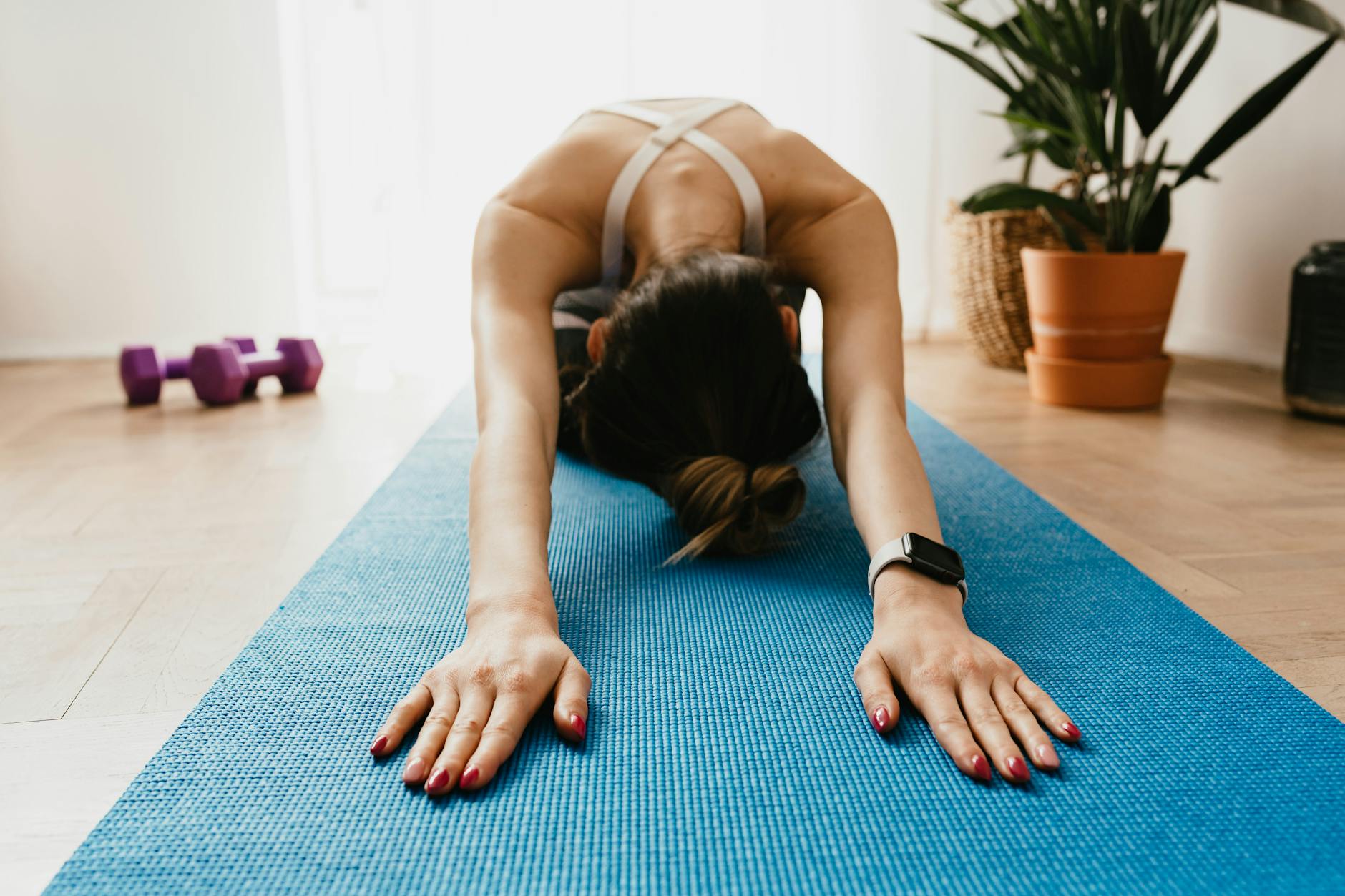
Easy Home Workout Routines for Beginners
So, you’ve decided it’s time to get moving, but the thought of a crowded gym or complicated equipment feels… well, not so easy? I get it. When I first started my fitness journey, the idea of complex routines was intimidating. But here’s a secret: you don’t need a fancy gym or hours of your day to see real results. Easy home workout routines for beginners are your secret weapon to building a healthier you, right from your living room. This guide is packed with practical, no-nonsense advice to get you started safely and effectively.
This isn’t about chasing a perfect physique overnight; it’s about building sustainable habits that boost your energy, improve your mood, and strengthen your body. Think of it as investing in your future self, one simple movement at a time. Ready to ditch the excuses and embrace a stronger, healthier you?
What are the easiest home workout routines for beginners?
The easiest home workout routines for beginners focus on fundamental movements that use your body weight and require minimal space. These often include exercises like squats, lunges, push-ups (modified on knees if needed), planks, and glute bridges. The key is simplicity and proper form over intensity. For instance, a basic routine might involve 3 sets of 10-12 repetitions for each exercise, with short rest periods in between. This approach allows your body to adapt gradually, reducing the risk of injury and building confidence as you progress.
The beauty of these routines is their adaptability. You can perform them almost anywhere – your living room, bedroom, even a hotel room if you’re traveling. They require no special equipment, making them incredibly accessible. We’ll break down some specific moves and how to string them together into a consistent habit.
How can I create a beginner workout plan at home?
Creating your own beginner workout plan at home is simpler than you might think. Start by deciding how many days a week you can realistically commit to exercise – aim for 3-4 days to begin. Then, select a few key exercises that target major muscle groups: lower body (squats, lunges), upper body (push-ups, rows if you have bands), core (plank, crunches), and perhaps a little cardio (jumping jacks, high knees). Aim for a balanced workout that hits different parts of your body throughout the week.
Structure your workouts. A common approach is a full-body routine performed each session. For example, on Monday, Wednesday, and Friday, you could do squats, push-ups, lunges, planks, and glute bridges. Focus on performing 2-3 sets of 8-12 repetitions for most exercises. For planks, aim to hold for 20-30 seconds. Remember to include a 5-10 minute warm-up (light cardio like jogging in place, dynamic stretches) before and a 5-10 minute cool-down (static stretches) after each session.
Progression is key. Once an exercise feels too easy, you can increase the repetitions, add another set, reduce rest time, or move to a slightly more challenging variation. For instance, moving from knee push-ups to standard push-ups, or from a 30-second plank to a 45-second plank. Consistency is more important than intensity when you’re starting out.
What are the benefits of regular home exercise for beginners?
The benefits of sticking with regular home exercise, even beginner routines, are profound and extend far beyond just physical changes. You’ll likely notice an immediate boost in your mood and energy levels. Exercise releases endorphins, which are natural mood lifters, helping to combat stress and anxiety. Over time, you’ll build cardiovascular health, strengthening your heart and lungs, which can reduce your risk of chronic diseases like heart disease and type 2 diabetes. As reported by the Centers for Disease Control and Prevention (CDC), regular physical activity is essential for maintaining overall health.
The CDC recommends at least 150 minutes of moderate-intensity aerobic activity or 75 minutes of vigorous-intensity aerobic activity per week, plus muscle-strengthening activities at least two days a week. Home workouts can easily help you meet these guidelines. (Source: CDC)
Beyond the heart, your muscles and bones will get stronger. This improved strength supports daily activities, makes you less prone to falls and injuries, and can help manage conditions like arthritis. Improved sleep quality is another major perk – regular exercise often leads to falling asleep faster and enjoying deeper, more restful sleep. Plus, achieving small fitness goals at home builds incredible self-confidence and a sense of accomplishment.
What beginner bodyweight exercises can I do at home?
Let’s dive into some specific, effective beginner bodyweight exercises you can do right now:
- Squats: Stand with feet shoulder-width apart. Lower your hips as if sitting back into a chair, keeping your chest up and back straight. Go as low as comfortable, then push back up through your heels.
- Lunges: Step forward with one leg, lowering your hips until both knees are bent at about a 90-degree angle. Ensure your front knee is directly above your ankle and your back knee hovers just off the floor. Push off your front foot to return to the start. Alternate legs.
- Push-ups (on knees): Start on your hands and knees, hands slightly wider than shoulder-width. Lower your chest towards the floor, keeping your back straight. Push back up. This is a fantastic way to build upper body strength without the full challenge of a standard push-up.
- Plank: Position yourself on your forearms and toes, keeping your body in a straight line from head to heels. Engage your core and glutes. Hold for 20-30 seconds, focusing on not letting your hips sag.
- Glute Bridges: Lie on your back with knees bent and feet flat on the floor, hip-width apart. Squeeze your glutes and lift your hips off the floor until your body forms a straight line from shoulders to knees. Hold briefly, then lower slowly.
These five exercises form a solid foundation for a full-body workout. Remember, the goal is to perform them with control and focus on engaging the correct muscles. If you’re unsure about form, a quick search for video demonstrations can be incredibly helpful.
How can I make my home workouts more effective?
To maximize the effectiveness of your easy home workout routines for beginners, focus on a few key principles. First, consistency is king. Aim to stick to your schedule as closely as possible. Even a 15-20 minute workout is better than skipping it entirely. Second, progressive overload is essential for continued progress. As mentioned, gradually increase the challenge by adding reps, sets, or trying harder variations. Third, pay close attention to proper form. It’s better to do fewer repetitions with perfect form than many with poor form, which can lead to injury and inefficient muscle activation. I learned this the hard way in my early days, pushing through bad form and dealing with nagging aches for weeks.
Don’t underestimate the power of a good warm-up and cool-down. A dynamic warm-up prepares your muscles and joints for exercise, reducing injury risk, while static stretching post-workout improves flexibility and aids recovery. Finally, listen to your body. Rest days are crucial for muscle repair and growth. Pushing yourself too hard, too often, without adequate rest can be counterproductive and lead to burnout or injury. The common mistake people make is thinking they need to feel sore after every workout to know it was effective. This isn’t true; muscle fatigue and good form are better indicators.
Consider incorporating variety over time. While consistency is key, doing the exact same thing forever can lead to plateaus. Once you feel comfortable with the basics, you can introduce new bodyweight exercises, resistance bands, or even short bursts of cardio like jumping jacks or high knees to keep things challenging and engaging. For example, after a month of consistent workouts, you might add mountain climbers or burpees (modified) to your routine.
What are the common mistakes beginners make with home workouts?
One of the most common mistakes beginners make with home workouts is neglecting the warm-up and cool-down phases. Jumping straight into intense exercises without preparing your body increases the risk of muscle strains and other injuries. Conversely, skipping the cool-down means you miss out on crucial flexibility work and can experience muscle stiffness. Another frequent error is focusing solely on aesthetics rather than functional strength and overall health. While looking good is a great motivator, prioritizing how your body feels and performs can lead to more sustainable and enjoyable fitness habits.
Trying to do too much too soon is another pitfall. Beginners often see advanced routines online and try to replicate them, leading to exhaustion, discouragement, and potential injury. It’s vital to start with manageable routines and gradually increase intensity and duration. Lastly, many beginners fail to be consistent. Life gets busy, and it’s easy to let workouts slide. Setting realistic goals and scheduling workouts like any other important appointment can combat this. The University of Michigan’s Recreational Sports emphasizes setting achievable goals and celebrating small wins to maintain motivation.
Can I lose weight with easy home workout routines?
Yes, you can absolutely lose weight with easy home workout routines for beginners, but it’s important to understand that exercise is only one part of the equation. Weight loss is primarily driven by a caloric deficit – burning more calories than you consume. Home workouts contribute significantly by increasing your calorie expenditure. Consistent physical activity also helps build muscle mass, and muscle burns more calories at rest than fat, boosting your metabolism over time. However, to see significant weight loss, pairing your workouts with a balanced, calorie-conscious diet is essential. Focusing on whole foods and managing portion sizes will yield much faster and more sustainable results than exercise alone.
Frequently Asked Questions (FAQ)
How often should a beginner exercise at home?
Beginners should aim to exercise at home 3-4 times per week, allowing for rest days in between. This frequency provides enough stimulus for adaptation without overexerting the body, which is crucial for new exercisers. Consistent, moderate effort is more beneficial than infrequent, intense sessions.
What’s the best time of day for a home workout?
The best time for a home workout is whenever you can be consistent. Some people prefer morning workouts to boost energy and metabolism for the day, while others find evening sessions help them de-stress. Experiment to see what fits your schedule and energy levels best.
Do I need special equipment for home workouts?
No, you do not need special equipment for effective home workouts. Bodyweight exercises utilize your own resistance and are highly effective for building strength, endurance, and improving cardiovascular health. Resistance bands or dumbbells can be added later for progression if desired.
How long should a beginner workout session be?
Beginner workout sessions can be as short as 20-30 minutes, including warm-up and cool-down. The focus should be on quality of movement and consistency rather than duration. As you get fitter, you can gradually increase the length of your sessions.
What if I feel pain during a home workout?
If you feel sharp or persistent pain during a home workout, stop the exercise immediately. Differentiate between muscle fatigue (a normal feeling) and actual pain. If pain persists or is severe, consult a healthcare professional to rule out injury and get appropriate advice.
Start Your Fitness Journey Today
Embarking on a fitness journey doesn’t require a grand plan or expensive equipment. By incorporating these easy home workout routines for beginners into your week, you’re taking a powerful step towards a healthier, more energetic you. Remember to start slow, focus on form, be consistent, and listen to your body. The most important thing is to get started and build momentum. You’ve got this!