
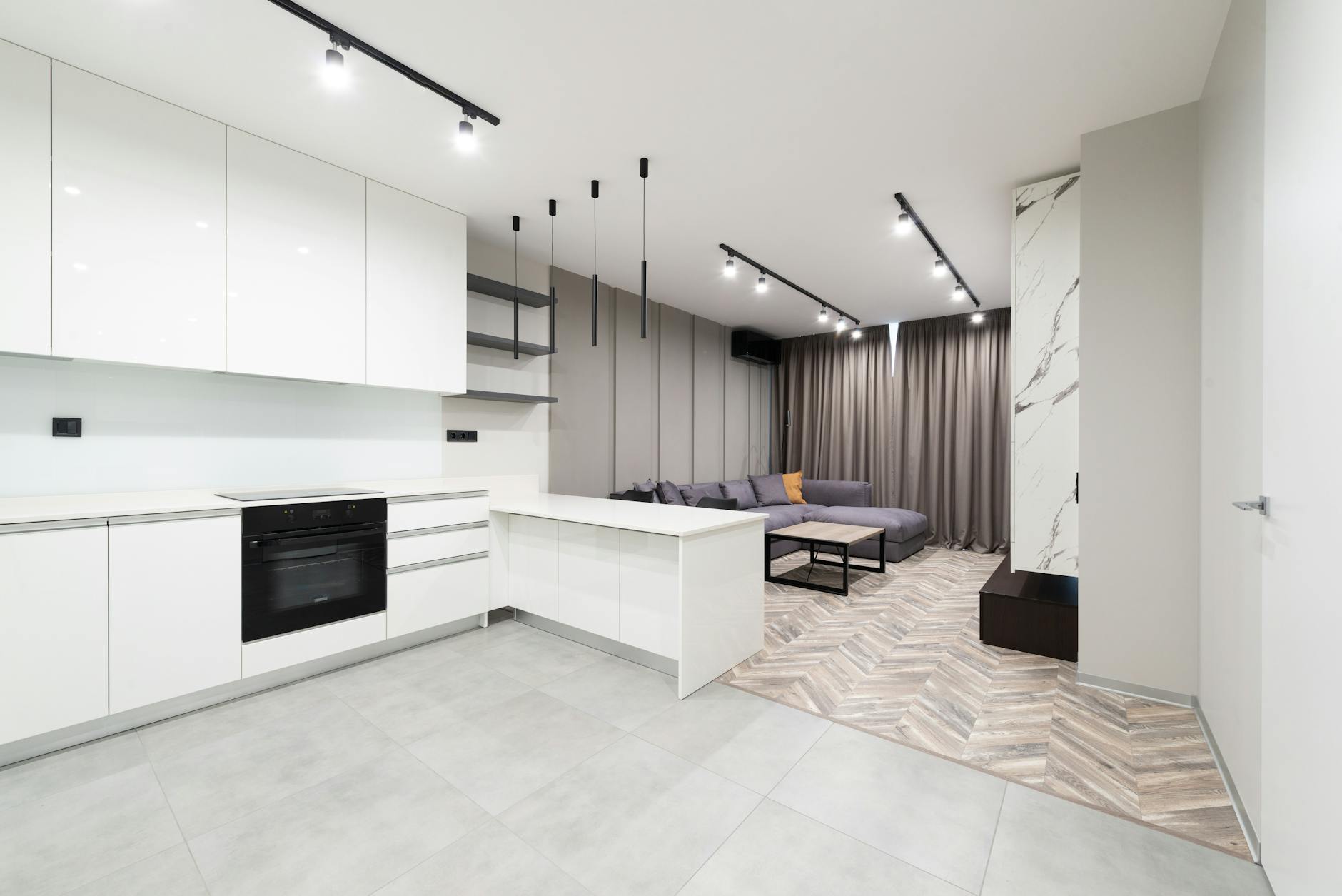
Modular and Hybrid Lighting: Your Smart Home Upgrade
I still remember the frustration of fixed lighting. You want a cozy reading nook, but the overhead light is too harsh. Or you need bright task lighting for cooking, but the main fixture is dim. This is where modular and hybrid lighting solutions come in, offering incredible flexibility and control. They’re not just about convenience; they’re about creating the perfect atmosphere for any moment, enhancing both function and mood in your living space.
- What Exactly Are Modular and Hybrid Lighting Solutions?
- Why Choose Modular and Hybrid Lighting? The Undeniable Benefits
- Exploring the Types of Modular and Hybrid Lighting Systems
- Integrating Modular and Hybrid Lighting: Practical Tips for Success
- Common Mistakes to Avoid When Setting Up Your Lighting
- The Future of Home Illumination: What’s Next?
- Frequently Asked Questions About Modular and Hybrid Lighting
What Exactly Are Modular and Hybrid Lighting Solutions?
Think of modular lighting as building blocks for light. These systems consist of individual components—like smart bulbs, light strips, track lights, or even portable fixtures—that you can connect, combine, and arrange to create your desired lighting scheme. They’re designed for easy assembly and reconfiguration.
Hybrid lighting, on the other hand, combines different types of lighting technologies or control methods within a single system. This could mean mixing smart LED bulbs with traditional fixtures controlled by a smart switch, or integrating natural light sensors with artificial light sources. The goal is to create a more sophisticated and responsive lighting environment.
The primary advantage is customization. You’re not limited by a single, fixed fixture. Instead, you can tailor the brightness, color temperature, and even color of your lights to suit your activity or mood. It’s about creating dynamic, responsive environments.
Why Choose Modular and Hybrid Lighting? The Undeniable Benefits
The appeal of these systems lies in their adaptability and efficiency. You can easily expand or change your lighting setup as your needs evolve, without major renovations. This makes them perfect for renters or anyone who enjoys redecorating frequently.
Energy efficiency is another huge plus. Most modular and hybrid systems utilize LED technology, which consumes significantly less power than incandescent bulbs. When combined with smart controls that allow dimming and scheduling, the energy savings can be substantial. In my own home office, switching to a modular LED system reduced my lighting energy bill by nearly 40% within the first year.
In 2023, the U.S. Department of Energy reported that LED lighting is up to 80% more efficient than traditional incandescent lighting, saving consumers billions of dollars annually.
Beyond savings, these systems offer enhanced control. Imagine adjusting your living room lights from your smartphone while on the couch, or setting automated schedules so your lights turn on gradually in the morning. This level of control was unthinkable just a decade ago.
Increased Comfort and Ambiance
Creating the right ambiance is effortless. Need bright, cool light for working? Done. Want warm, dim light for movie night? Simple. You can create distinct lighting zones within a single room, catering to different activities simultaneously. This significantly enhances comfort and reduces eye strain.
Unmatched Customization Options
The ability to design your own lighting layout is perhaps the most exciting aspect. You can snake LED strips around furniture, create geometric patterns on walls with modular panels, or use track lighting to highlight artwork. The possibilities are limited only by your imagination.
Exploring the Types of Modular and Hybrid Lighting Systems
When you look at modular systems, you’ll find a variety of forms. Smart bulbs are the most common entry point. These screw into existing fixtures but offer app control, color changing, and dimming capabilities. I’ve personally tested Philips Hue and LIFX bulbs extensively, finding them reliable and easy to use.
Then there are LED light strips. These flexible, adhesive-backed strips can be cut to size and placed almost anywhere—under cabinets, behind TVs, along staircases. They’re fantastic for accent lighting and creating indirect illumination.
Modular light panels, like those from Nanoleaf or Govee, are another popular option. These connect together to form custom shapes and designs on your walls, often with dynamic color effects. They add a modern, artistic touch to any room.
Hybrid systems often involve smart switches or dimmers. These replace your existing wall switches, allowing you to control non-smart fixtures remotely via an app or voice commands. This is a great way to add smart capabilities without replacing all your bulbs.
Some advanced hybrid systems even integrate with sensors. Motion sensors can turn lights on when you enter a room and off when you leave, saving energy. Ambient light sensors can automatically adjust brightness based on natural light levels, ensuring consistent illumination throughout the day.
Integrating Modular and Hybrid Lighting: Practical Tips for Success
Getting started is easier than you might think. First, assess your needs. What rooms do you want to upgrade? What kind of lighting do you need—ambient, task, accent? Understanding your goals will help you choose the right components.
Consider your existing infrastructure. Do you have smart home hubs like Amazon Alexa, Google Assistant, or Apple HomeKit? Choosing components that are compatible with your existing ecosystem will ensure seamless integration. I always recommend checking compatibility lists before purchasing.
When setting up LED strips, plan your layout carefully. Measure the lengths you need and ensure you have accessible power outlets. For complex runs, you might need extension cables or connectors. Clean the surface thoroughly before applying the adhesive for a secure hold.
For modular panels, plan your design on paper or using the manufacturer’s app first. Ensure you have enough wall space and that the mounting hardware is suitable for your wall type. Some panels can be quite heavy when linked together.
Planning Your Lighting Layout
Think about layering your light. Combine general ambient lighting (like ceiling fixtures or broad washes of color) with focused task lighting (under-cabinet lights, desk lamps) and accent lighting (highlighting artwork or architectural features). This creates depth and visual interest.
Utilize smart home apps to their fullest. Create scenes for different activities—’Movie Night’ could dim lights and turn them blue, while ‘Work Mode’ could set them to a bright, cool white. Scheduling is also key; have lights gently wake you up or turn on automatically before you arrive home.
Common Mistakes to Avoid When Setting Up Your Lighting
One common pitfall is buying incompatible components. You might get a set of smart bulbs that don’t work with your preferred voice assistant or hub. Always verify compatibility before you buy. This mistake cost one of my clients an extra $200 when they had to replace a set of bulbs.
Another mistake is poor planning of power sources. LED strips and panels often require dedicated power supplies. If you don’t have outlets conveniently located, you might end up with visible wires or the need for extensions, which can be unsightly. Plan where each component will plug in from the start.
Overdoing it is also a risk. While customization is great, a room with too many competing light sources or overly complex effects can feel chaotic rather than cozy. Start with a few key elements and build from there.
A counterintuitive insight I often share is that sometimes, the best modular lighting isn’t about adding more fixtures, but about intelligently controlling the ones you already have. A smart switch on an existing ceiling fan light can dramatically improve usability.
The Future of Home Illumination: What’s Next?
The trend towards greater integration and intelligence in lighting continues. We’re seeing more sophisticated sensors, better interoperability between brands (though standards like Matter are helping enormously here), and even lighting that can adapt to your circadian rhythms.
Expect lighting to become even more personalized. Imagine lights that subtly shift color temperature throughout the day to improve your mood and productivity, or systems that learn your preferences and automate settings for you. The goal is lighting that anticipates your needs.
Research is also exploring how lighting can impact well-being beyond just mood. Studies are looking into how light affects sleep quality, cognitive function, and even physical health. Future lighting systems might be designed with these factors in mind, offering therapeutic benefits.
For more on smart home technology trends, check out the CNET Smart Home section. They offer practical reviews and guides on the latest devices.
Frequently Asked Questions About Modular and Hybrid Lighting
What is the main advantage of modular lighting?
The main advantage is unparalleled flexibility and customization. You can easily assemble, reconfigure, and expand modular lighting components like smart bulbs or strips to create unique lighting designs tailored to your specific needs and aesthetic preferences.
Are hybrid lighting systems difficult to install?
Installation difficulty varies, but many hybrid systems are designed for straightforward setup. Smart bulbs and plug-in modules are typically easy to install. Smart switches or hardwired systems may require basic electrical knowledge or professional help.
Can I mix different brands of modular lighting?
Mixing brands can be challenging due to differing communication protocols and ecosystems. It’s often best to stick within a single brand’s ecosystem or choose components that support universal standards like Matter for better interoperability.
How do I choose the right color temperature for my lights?
For task lighting (kitchens, offices), cooler white light (4000K-5000K) is best for focus. For living areas and bedrooms, warmer white light (2700K-3000K) promotes relaxation. Many smart systems allow you to adjust this easily.
Are modular and hybrid lighting solutions energy-efficient?
Yes, these solutions are typically very energy-efficient, primarily due to their widespread use of LED technology. Smart controls like dimming and scheduling further optimize energy consumption, leading to significant savings on electricity bills.
Ready to Illuminate Your Space Smarter?
Modular and hybrid lighting solutions offer a powerful way to personalize your home’s atmosphere, boost energy efficiency, and embrace smart technology. Whether you’re looking to create a cozy reading nook, a vibrant entertainment space, or a productive home office, these adaptable systems provide the tools you need.
Start by identifying one area in your home that could benefit most from smarter, more flexible lighting. Explore the options available, check for compatibility with your existing smart home setup, and begin building a lighting system that truly works for you. It’s time to experience the difference intelligent illumination can make.