
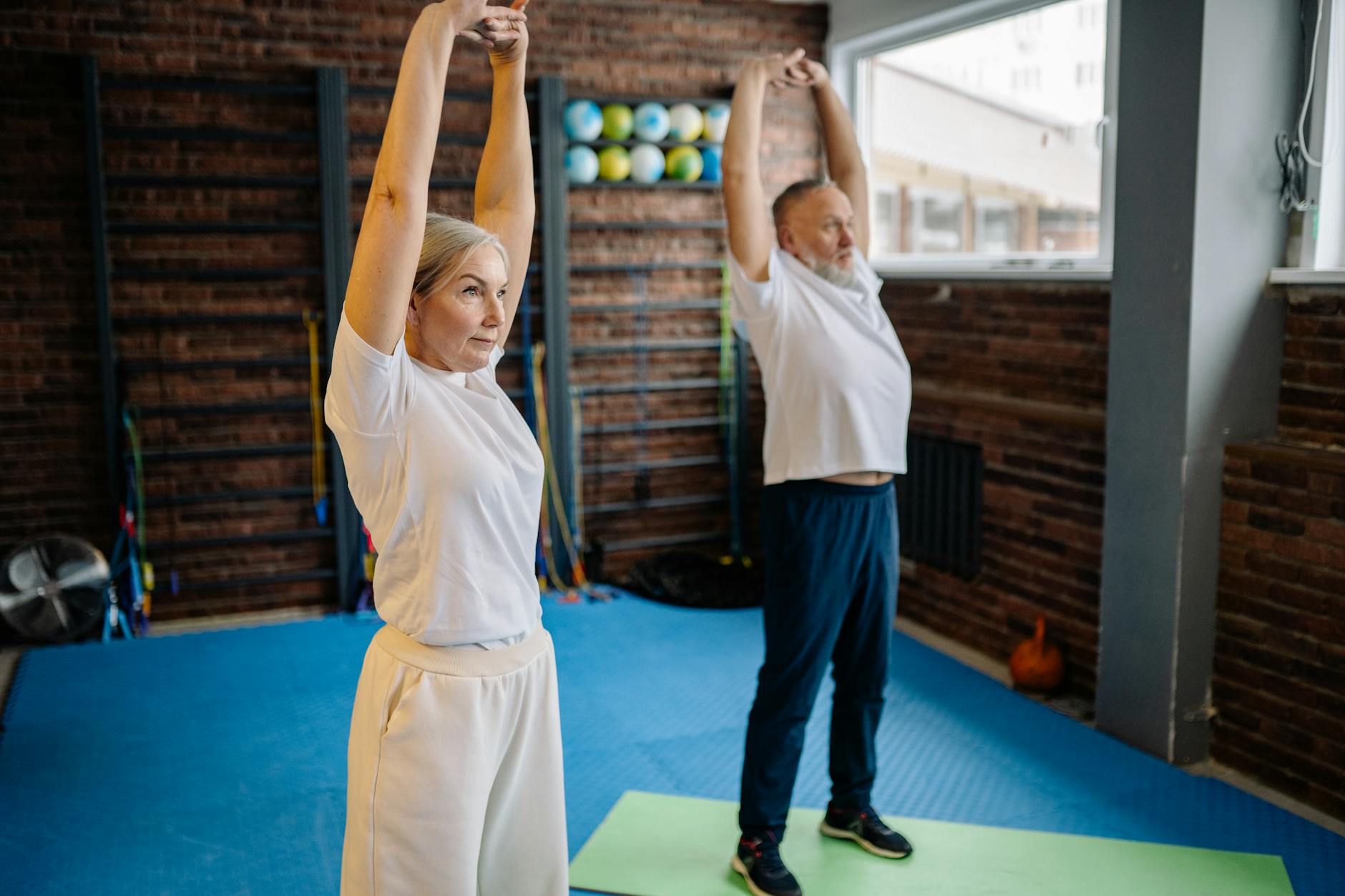
Low-Impact Mobility Work for Active Aging Safely
If you’re looking to stay spry, independent, and pain-free as you age, then embracing low-impact mobility work for active aging is your secret weapon. It’s not about intense workouts; it’s about smart, consistent movement that nourishes your joints and keeps your body functioning smoothly. I’ve seen firsthand over my 15 years in fitness how crucial these gentle practices are, especially for those over 50. When I first started coaching older adults, many were hesitant, fearing injury. But after introducing them to specific mobility routines, their feedback was overwhelmingly positive – less stiffness, better balance, and a renewed sense of freedom in their bodies.
Contents
What Exactly Is Mobility Work?
Mobility work isn’t just stretching. Think of it as active flexibility. While stretching lengthens muscles, mobility exercises focus on improving your joints’ ability to move through their full, healthy range of motion. It involves controlled movements that strengthen the muscles around the joints, enhance coordination, and increase blood flow. For active aging, this means keeping your hips, shoulders, spine, and ankles moving freely, which is fundamental for everyday tasks.
It’s about making your joints more resilient and your movements more fluid. This can include dynamic stretches, joint circles, and specific activation exercises. In my practice, I often start clients with simple joint rotations – wrist circles, ankle circles, shoulder rolls – to wake up the connective tissues and synovial fluid within the joints.
Why Is It Vital for Active Aging?
As we age, our bodies naturally experience changes. Collagen production decreases, cartilage can wear down, and muscles may lose some of their flexibility and strength. This can lead to stiffness, pain, reduced balance, and an increased risk of falls. Low-impact mobility work for active aging directly counteracts these effects.
It helps maintain the integrity of your joints, keeping the lubricating synovial fluid healthy. This reduces friction and wear. Furthermore, by engaging muscles through a greater range of motion, you improve proprioception – your body’s awareness of its position in space – which is critical for balance. The Centers for Disease Control and Prevention (CDC) highlights that falls are a major public health concern for older adults, often leading to serious injuries. Regular mobility work is a key strategy for fall prevention.
Falls among adults aged 65 and older caused over 36 million incidents in 2022, leading to more than 32,000 deaths, according to the CDC. Implementing regular mobility and balance exercises can significantly reduce this risk.
When I began focusing on mobility with clients who had previously experienced joint discomfort, I noticed a significant reduction in their reported pain levels within just a few weeks. They could move more easily, and their confidence in their physical abilities grew.
Best Mobility Exercises for Seniors
The key is to choose exercises that are safe, effective, and adaptable. Here are some of my go-to movements that I’ve recommended to countless clients looking for effective low-impact mobility work for active aging:
- Ankle Circles: Sit or stand, lift one foot slightly off the ground, and rotate your ankle clockwise and counter-clockwise. Do 10-15 rotations in each direction.
- Hip Circles: Stand with feet hip-width apart, hands on hips. Gently rotate your hips in a circular motion, first one way, then the other. 10-15 circles each way.
- Cat-Cow Stretch (on hands and knees or seated): Inhale as you arch your back, dropping your belly and looking up (Cow). Exhale as you round your spine, tucking your chin to your chest (Cat). Repeat 5-10 times.
- Thoracic Rotations: Sit tall. Place your right hand behind your head, elbow pointing out. Gently rotate your torso to the right, then return to center. Repeat 10-15 times per side.
- Shoulder Rolls: Sit or stand. Roll your shoulders forward in a circular motion, then reverse. Focus on a full range of motion. 10-15 rolls each direction.
- Wrist and Finger Flexion/Extension: Gently open and close your hands, and flex and extend your wrists.
These exercises target major joints and can be modified easily. For instance, if getting on hands and knees for Cat-Cow is difficult, you can do it seated in a chair, focusing on the spinal movement.
Creating Your Daily Mobility Routine
Consistency is far more important than intensity when it comes to mobility. Aim to incorporate some form of low-impact mobility work for active aging into your daily life. Even 5-10 minutes can make a substantial difference over time.
A great time to do this is first thing in the morning to shake off any overnight stiffness, or perhaps before bed to promote relaxation. You could also do a few exercises after sitting for long periods. Many of my clients find success by tying their mobility routine to an existing habit, like having their morning coffee or brushing their teeth.
Start small. Pick 2-3 exercises that feel good for your body and perform them consistently. As you feel more comfortable and your range of motion improves, you can gradually add more exercises or increase the repetitions. The goal is to make it a natural, enjoyable part of your day, not a chore.
Common Mistakes to Avoid
While mobility work is generally safe, there are a few common pitfalls that can hinder progress or even lead to issues. One of the most frequent mistakes I see is trying to force a range of motion that isn’t there yet. This often happens when people compare themselves to their younger selves or to others.
Another common error is neglecting consistency. Doing a rigorous mobility session once a month won’t yield the same benefits as a short, consistent daily practice. Think of it like watering a plant; a little bit every day keeps it healthy, while a flood once in a while is less effective and can even be damaging.
Finally, some people focus only on stretching tight muscles and forget about strengthening the muscles that support the joints. Mobility requires both flexibility and stability. You need muscles that can move your joints through their range and also control that movement. My approach always integrates gentle strengthening alongside flexibility work.
Benefits Beyond the Physical
The positive effects of consistent low-impact mobility work for active aging extend far beyond just physical comfort. When you feel better in your body, your mental well-being often improves too. Reduced pain and stiffness can lead to better sleep, which in turn boosts mood and cognitive function.
Improved mobility also means greater independence. Being able to bend down to tie your shoes, reach items on a shelf, or get up from a chair without assistance contributes significantly to your quality of life and self-esteem. In my experience coaching, clients often report feeling more energetic and less fatigued throughout the day, simply because their bodies are moving more efficiently. This also fosters a more active social life, as they feel more capable of participating in activities.
A study published in the *Journal of the American Geriatrics Society* found that a structured exercise program, including mobility and balance components, significantly improved functional independence and reduced the risk of disability in older adults. This reinforces the idea that investing in your mobility is investing in your overall longevity and well-being.
Consider Sarah, a client I worked with starting in 2020. She had significant hip stiffness and found daily activities like gardening challenging. After six months of a tailored low-impact mobility program focusing on hip flexibility and core stability, she reported a 70% improvement in her ability to move freely and a significant reduction in pain. She was even able to resume her favorite hobby with much greater ease.
Frequently Asked Questions
What is the primary goal of low-impact mobility work for active aging?
The primary goal is to maintain and improve joint range of motion, reduce stiffness, and enhance functional movement patterns. This supports independence and reduces the risk of pain and injury as people age.
How often should I do mobility exercises?
Aim for consistency, ideally daily. Even 5-10 minutes of gentle movement can yield significant benefits. If daily isn’t feasible, try 3-5 times per week, focusing on quality over quantity.
Can mobility work help with arthritis?
Yes, low-impact mobility exercises can be very beneficial for managing arthritis by improving joint lubrication, reducing stiffness, and strengthening supporting muscles, thereby decreasing joint stress.
What’s the difference between mobility and flexibility?
Flexibility is the ability of a muscle to lengthen passively. Mobility is the ability of a joint to move actively through its full range of motion, involving muscles, joints, and nerves working together.
Should I do mobility work before or after a workout?
Dynamic mobility exercises are excellent as part of a warm-up before a workout to prepare the body. Static stretching is typically better post-workout. Mobility work can also be a standalone routine.
Start Moving for a Healthier Future
Embracing low-impact mobility work for active aging is one of the most empowering steps you can take for your long-term health and well-being. It’s an investment in your independence, your comfort, and your ability to enjoy life to the fullest. Don’t wait for stiffness or pain to become a major issue. Start incorporating these simple, effective movements into your daily routine today. Your future self will thank you for it.
Ready to take the next step towards a more mobile and vibrant you? Explore our to complement your mobility routine and build lasting physical resilience.
Last updated: March 2026


