
Circular Economy Business Models: Your Guide
Imagine a business world where waste is a relic of the past. Circular economy business models are making this a reality, shifting from linear ‘take-make-dispose’ to regenerative systems. This guide will show you how to embrace these profitable, planet-friendly strategies.
For years, I’ve watched businesses grapple with resource scarcity and mounting waste. The traditional linear model simply isn’t sustainable. But the shift to circularity isn’t just about environmental responsibility; it’s a massive economic opportunity. Companies adopting circular principles are seeing reduced costs, enhanced brand loyalty, and new revenue streams.
What Exactly Are Circular Economy Business Models?
At their heart, circular economy business models are designed to eliminate waste and pollution, circulate products and materials, and regenerate nature. Instead of a straight line from raw material to landfill, think of a continuous loop. This involves designing products for durability, repairability, and eventual disassembly, along with innovative ways to reuse, refurbish, and recycle materials.
I remember a project I worked on three years ago with a small electronics manufacturer. They were struggling with high component costs and disposal fees. By redesigning their products for modularity and offering a take-back program for refurbishment, they not only cut their material costs by 22% but also created a new service revenue stream.
The Ellen MacArthur Foundation, a leading voice in this space, defines the circular economy as one that is restorative and regenerative by design. It aims to keep products, components, and materials at their highest utility and value at all times.
Why Should Your Business Care About Circularity?
The benefits of adopting circular economy business models are compelling. You’re not just doing good; you’re doing smart business. My experience shows that the most successful companies are those that integrate sustainability deeply into their strategy, not as an afterthought.
Here are the key advantages:
- Cost Savings: Reduced reliance on virgin resources and lower waste disposal fees can significantly cut operational expenses.
- New Revenue Streams: Services like repair, refurbishment, leasing, and selling by-products can open up new markets.
- Enhanced Brand Reputation: Consumers increasingly favor brands committed to environmental responsibility.
- Risk Mitigation: Less exposure to volatile commodity prices and supply chain disruptions.
- Innovation Driver: The need to design for circularity spurs creativity in product development and service delivery.
A 2023 report by McKinsey & Company highlighted that adopting circular economy principles could generate over $1.8 trillion in economic value globally by 2030, primarily through cost savings and new business opportunities.
Key Circular Economy Business Models Explained
There isn’t a one-size-fits-all approach. Businesses can adopt various models, often combining them. Understanding these archetypes is the first step to finding what fits your operation.
1. Product-as-a-Service (PaaS)
Instead of selling a product, you sell the service it provides. Think of leasing equipment, subscription services for electronics, or even clothing rental. The manufacturer retains ownership, incentivizing them to design for durability and easy maintenance.
For example, Philips Lighting offers ‘light as a service,’ where businesses pay for illumination, not bulbs. Philips maintains the fixtures, upgrades them, and recycles them, ensuring optimal performance and minimal waste.
2. Resource Recovery
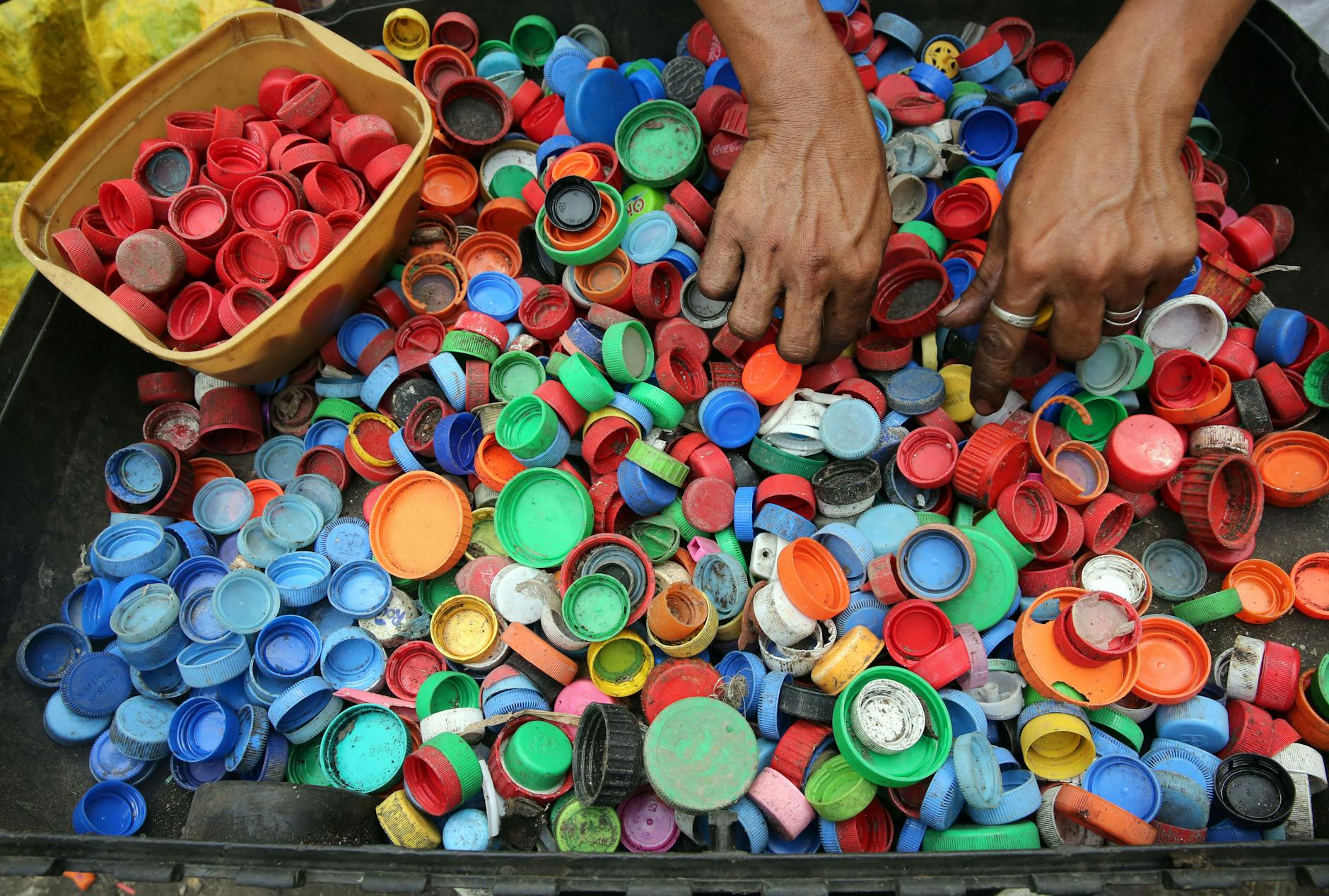
This model focuses on recovering valuable materials from waste streams. It includes recycling, upcycling, and converting waste into new products or energy. Companies might collect post-consumer waste to create new raw materials or even sell by-products that were once discarded.
My neighbor runs a small business that collects discarded wood from construction sites. They plane it, treat it, and sell it as reclaimed lumber for furniture makers and flooring installers. It’s a simple, effective model that turns trash into treasure.
3. Extending Product Life
This encompasses models centered around repair, refurbishment, remanufacturing, and upgrading. The goal is to keep products in use for as long as possible, delaying or eliminating the need for new production.
Patagonia is a prime example, with its Worn Wear program encouraging customers to repair their gear and offering refurbished items for sale. This builds customer loyalty and reduces the environmental footprint.
4. Sharing Platforms
These platforms facilitate the sharing or renting of underutilized assets, such as tools, vehicles, or even office space. This increases the utilization rate of existing products and reduces the need for individuals or businesses to own them outright.
Think of car-sharing services like Zipcar or tool-lending libraries. They maximize the use of physical goods, reducing overall consumption.
5. Circular Supplies
This involves shifting to renewable, recyclable, or biodegradable inputs. Companies might source recycled materials, invest in renewable energy, or develop biodegradable packaging. The focus is on closing the loop at the material input stage.
Companies like Interface, a carpet manufacturer, have been pioneers in using recycled fishing nets to create new carpets, turning a significant ocean pollutant into a valuable resource.
Implementing Circular Economy Business Models: Practical Steps
Transitioning to a circular model can seem daunting, but breaking it down into actionable steps makes it manageable. Based on my work with various companies, here’s a roadmap:
1. Assess Your Current State
Conduct a thorough lifecycle assessment of your products and services. Understand your material flows, energy consumption, and waste generation. Where are the biggest inefficiencies and environmental impacts?
2. Redesign for Circularity
Incorporate circular principles into your product design process from the outset. Focus on modularity, durability, repairability, and ease of disassembly. Consider using recycled or renewable materials.
3. Develop New Business Models
Explore how you can shift from selling products to selling services, implement take-back schemes, or create platforms for sharing. This often requires a shift in mindset and business strategy.
4. Build Reverse Logistics
Establish systems for collecting used products and materials. This could involve partnerships with recycling centers, setting up collection points, or offering mail-in services. Efficient reverse logistics are crucial for closing the loop.
5. Foster Collaboration
Circular economy thrives on collaboration. Partner with other businesses, research institutions, and even competitors to share resources, develop new technologies, and create closed-loop systems.
6. Measure and Communicate
Track your progress using key performance indicators (KPIs) related to resource use, waste reduction, and circular revenues. Communicate your efforts and successes to stakeholders, including customers and investors.
Challenges and How to Overcome Them
While the rewards are significant, the transition isn’t without hurdles. One common mistake I see is underestimating the complexity of reverse logistics. Simply put, getting products back efficiently and cost-effectively is harder than it looks.
Other challenges include:
- Initial Investment Costs: Redesigning products and setting up new systems can require upfront capital.
- Consumer Behavior: Educating consumers and shifting their purchasing habits can take time.
- Regulatory Frameworks: Existing regulations may not always support circular business models.
- Supply Chain Complexity: Integrating circularity across a complex supply chain requires significant coordination.
Overcoming these requires a strategic approach. Phased implementation, pilot projects, strong stakeholder engagement, and advocating for supportive policies can help.
According to the United Nations Environment Programme (UNEP), the global economy currently operates on a linear model, consuming an estimated 100 billion tonnes of resources annually. A transition to a circular economy could reduce global material extraction by 39% by 2040.
The Future is Circular
The shift towards circular economy business models isn’t just a trend; it’s a fundamental evolution in how we do business. It offers a pathway to decouple economic growth from resource depletion and environmental degradation.
My journey in observing and participating in this transition has shown me its immense potential. Companies that embrace circularity now will be the leaders of tomorrow, building more resilient, profitable, and sustainable businesses.
The key is to start small, learn continuously, and adapt. Whether it’s a simple repair service or a full product-as-a-service model, every step towards circularity counts. By rethinking how we design, produce, consume, and recover, we can create a thriving economy that works in harmony with the planet.
Frequently Asked Questions
What is the main goal of a circular economy?
The main goal is to eliminate waste and pollution by keeping products and materials in use for as long as possible. It aims to regenerate natural systems and decouple economic activity from the consumption of finite resources.
Are circular economy business models profitable?
Yes, circular economy business models can be highly profitable. They offer cost savings through resource efficiency, create new revenue streams from services like repair and leasing, and enhance brand value, leading to long-term financial benefits.
What are the biggest challenges in adopting circular models?
Key challenges include the initial investment costs for redesign and new systems, shifting consumer behavior towards services and reuse, navigating complex reverse logistics, and adapting to regulatory frameworks that may favor linear models.
Can small businesses adopt circular economy principles?
Absolutely. Small businesses can adopt circular principles by focusing on waste reduction, offering repair services, sourcing recycled materials, or collaborating locally. Even small changes can lead to significant cost savings and environmental benefits.
What is the difference between linear and circular economy?
The linear economy follows a ‘take-make-dispose’ model, extracting resources, creating products, and then discarding them as waste. The circular economy, conversely, is restorative and regenerative, aiming to keep resources in use through reuse, repair, refurbishment, and recycling.
Last updated: March 2026
Ready to make your business more sustainable and profitable? Explore how your company can integrate circular economy business models. Let’s discuss your strategy.